
Tour information
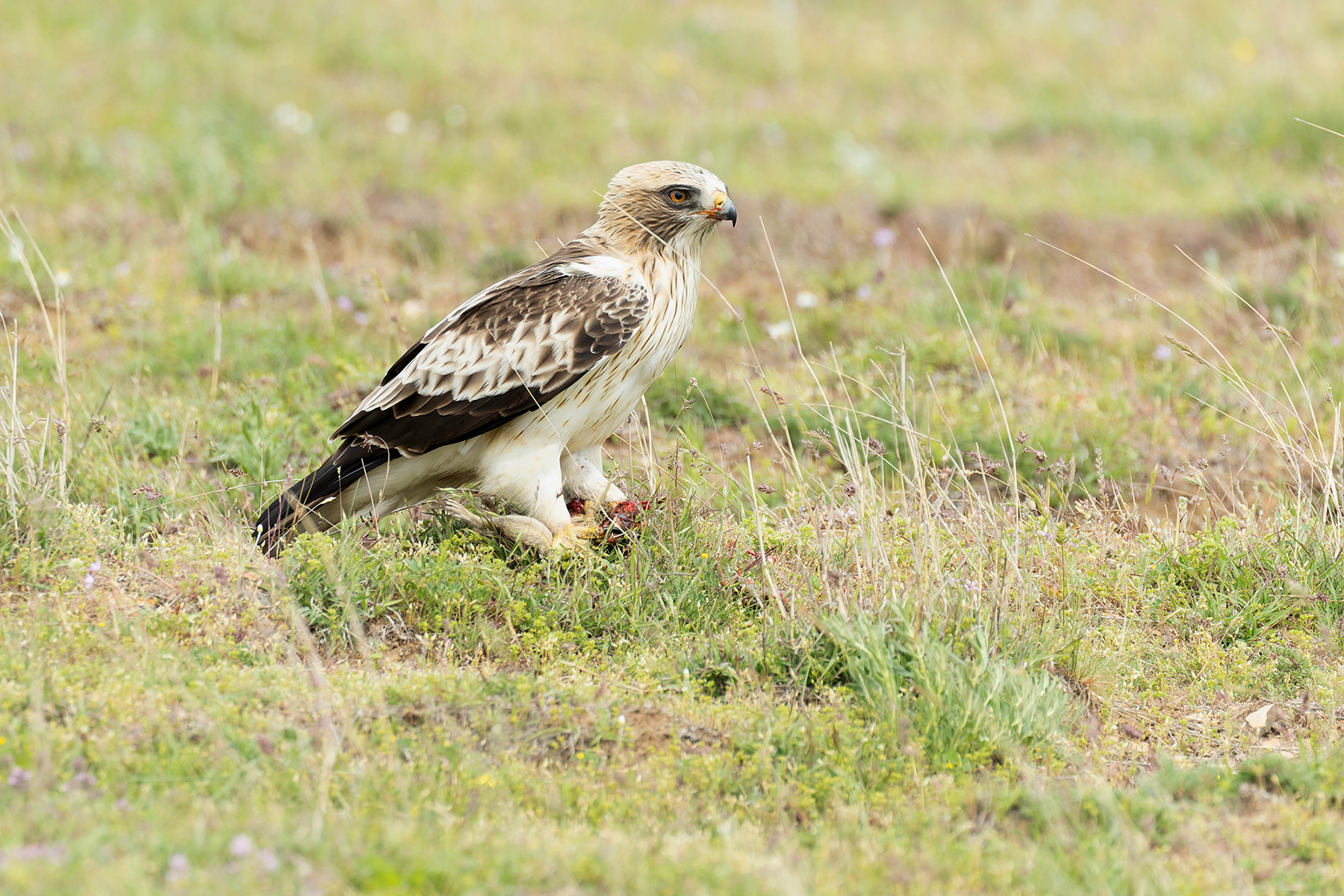
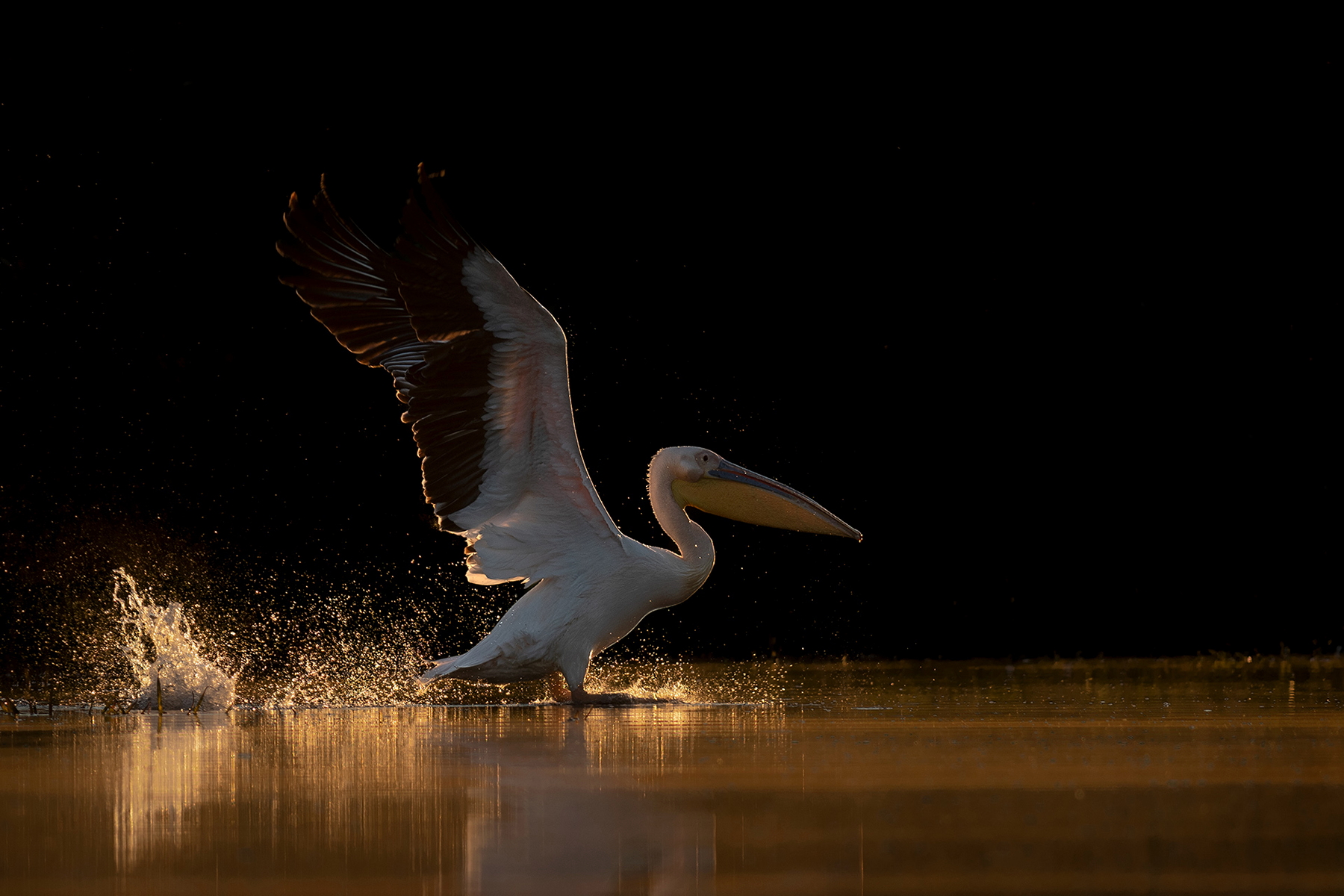
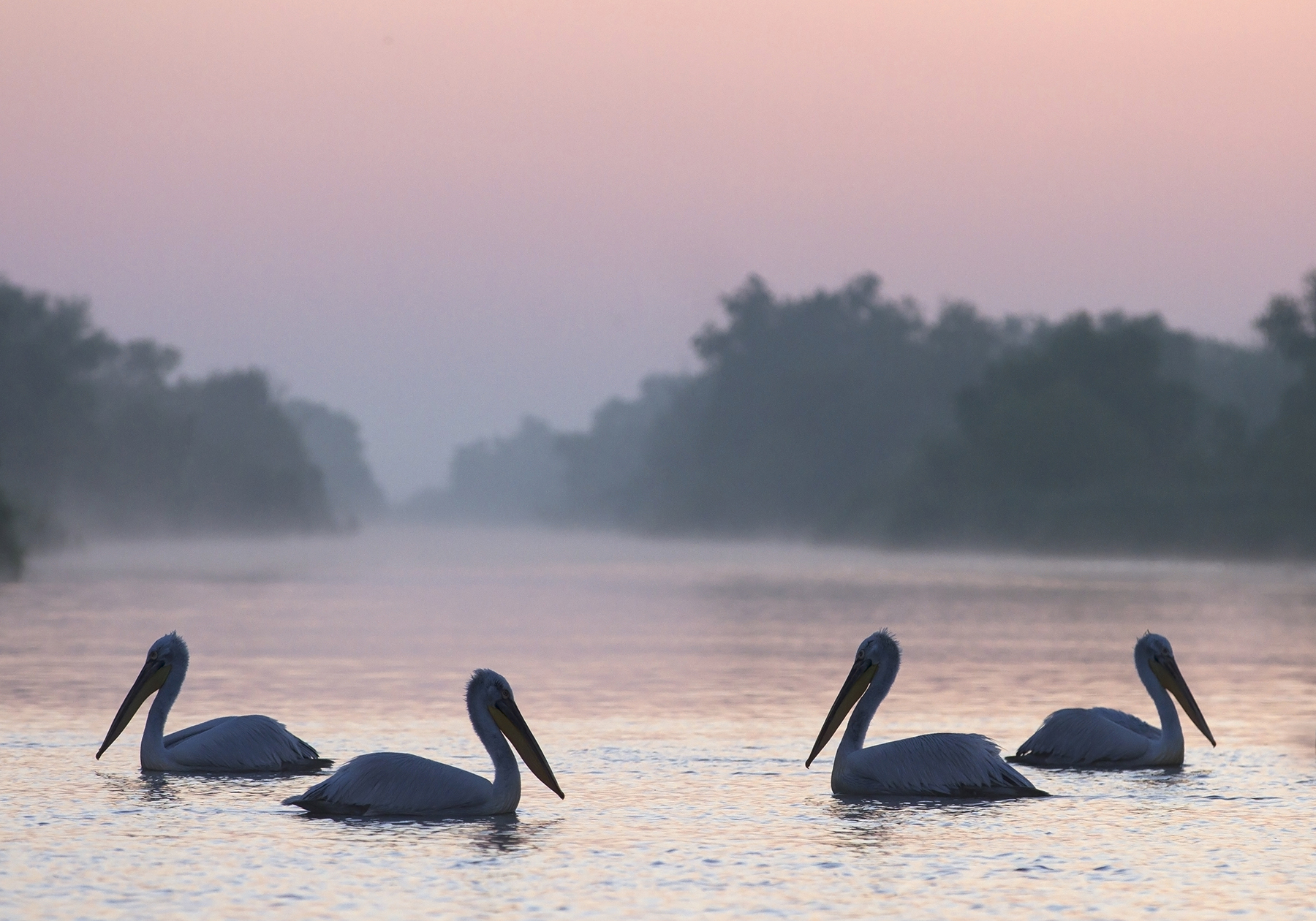
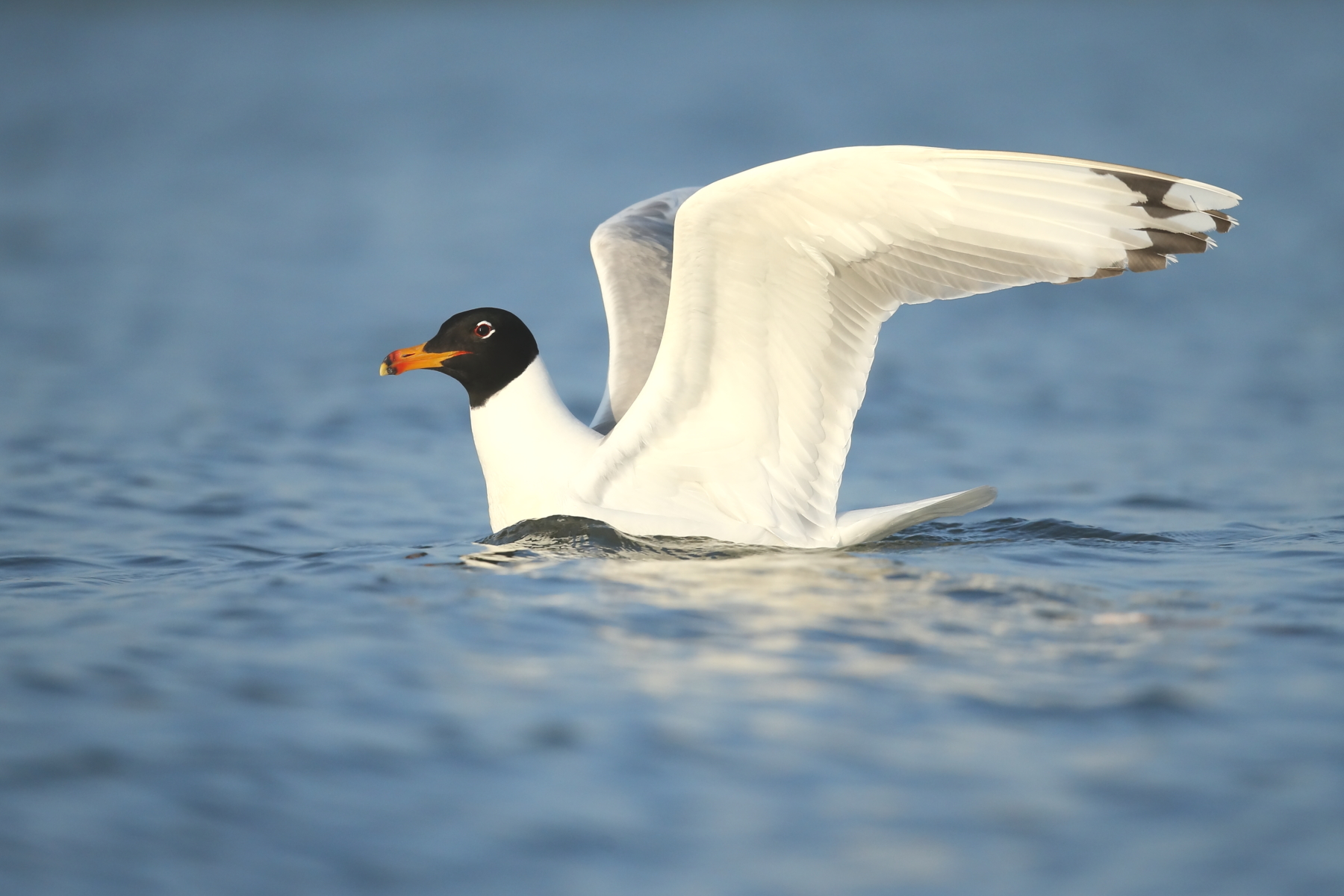
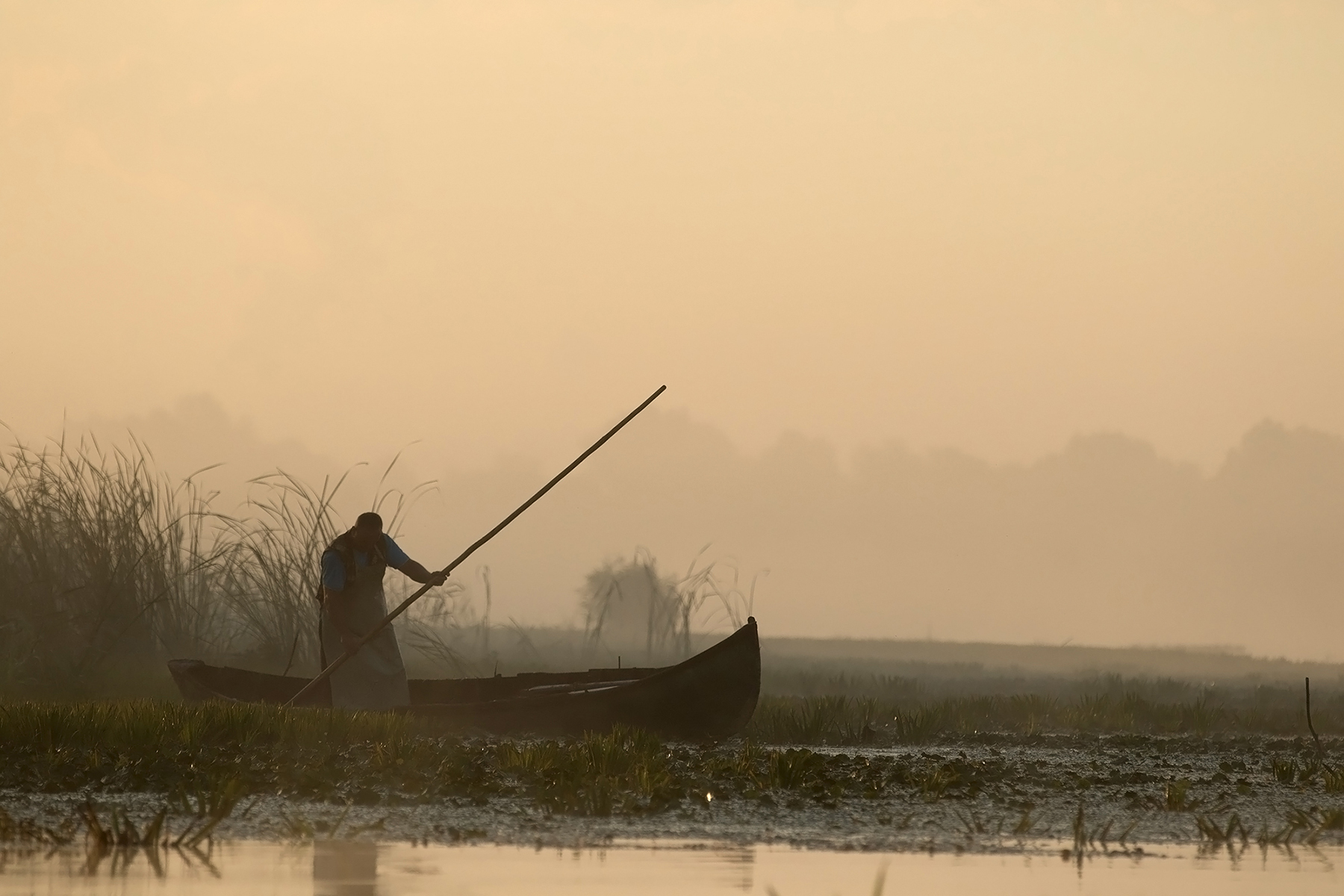
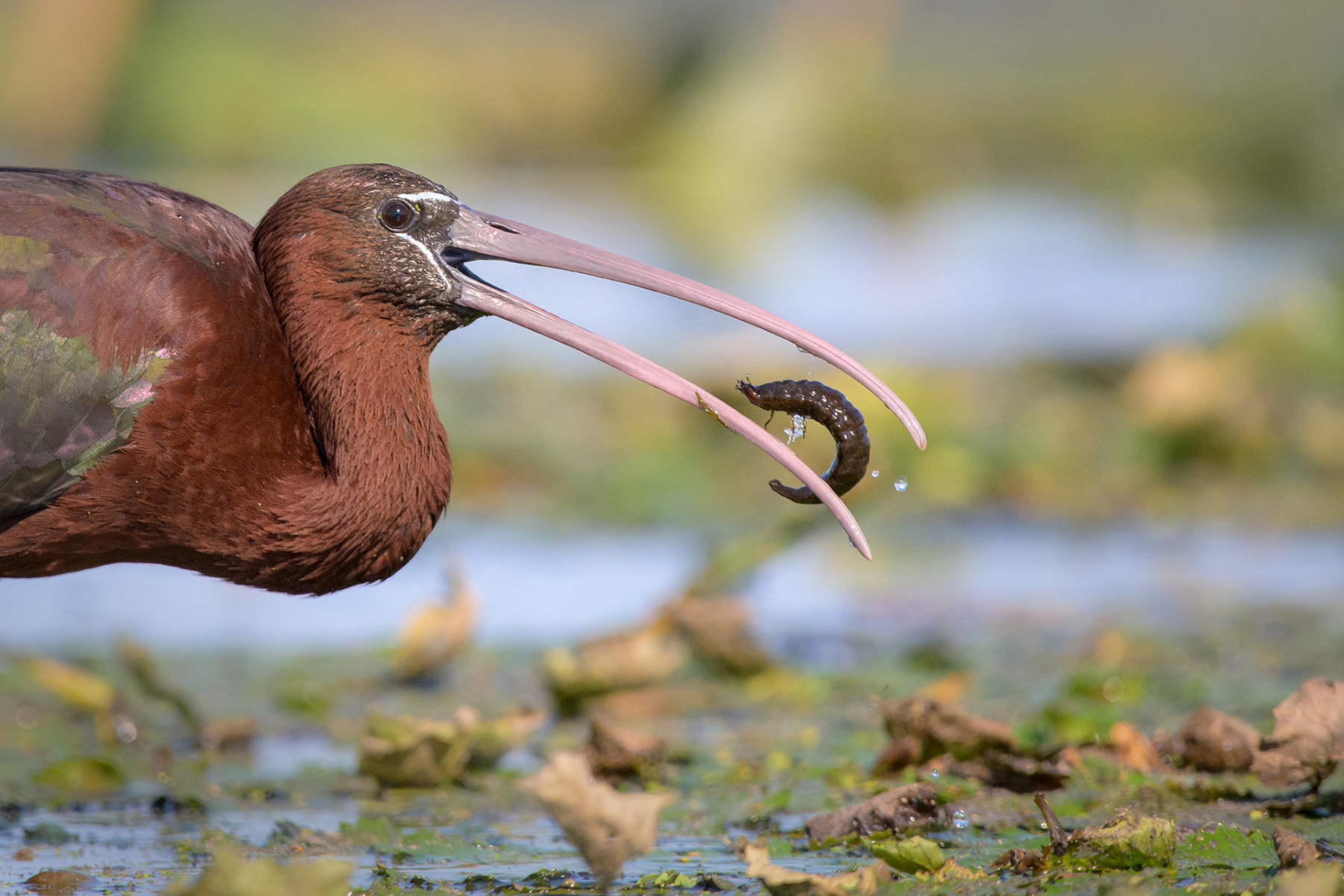
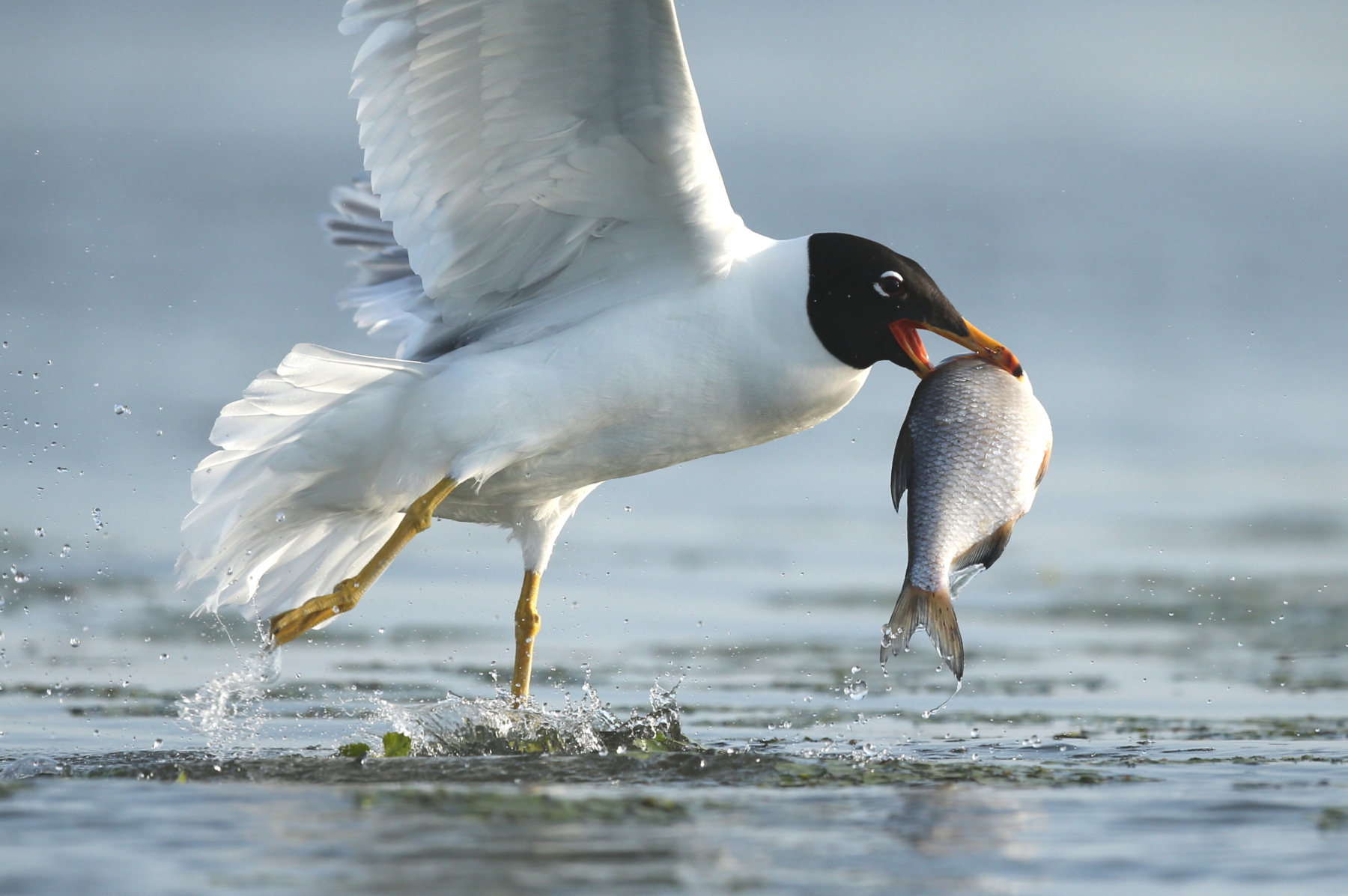
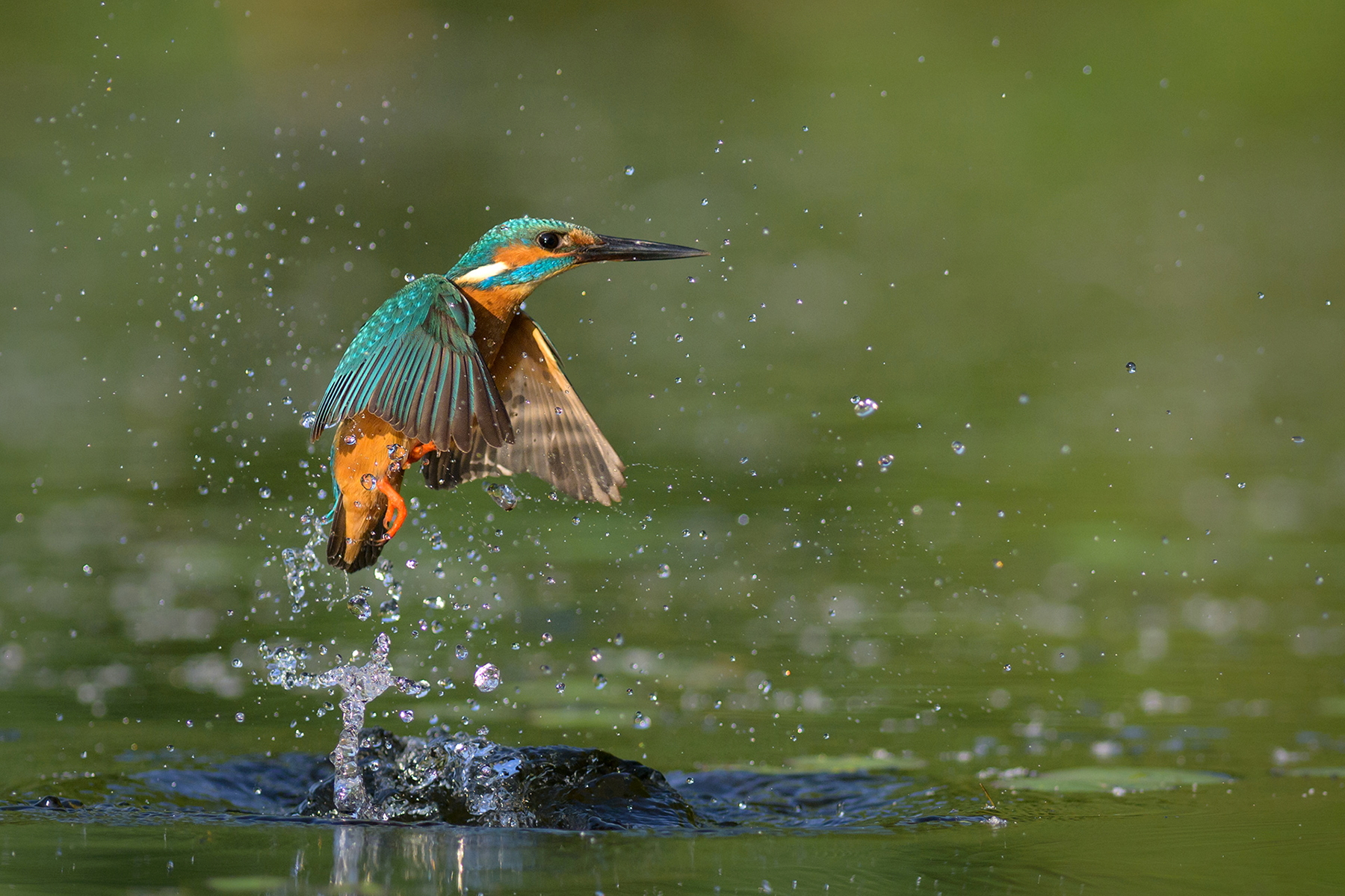
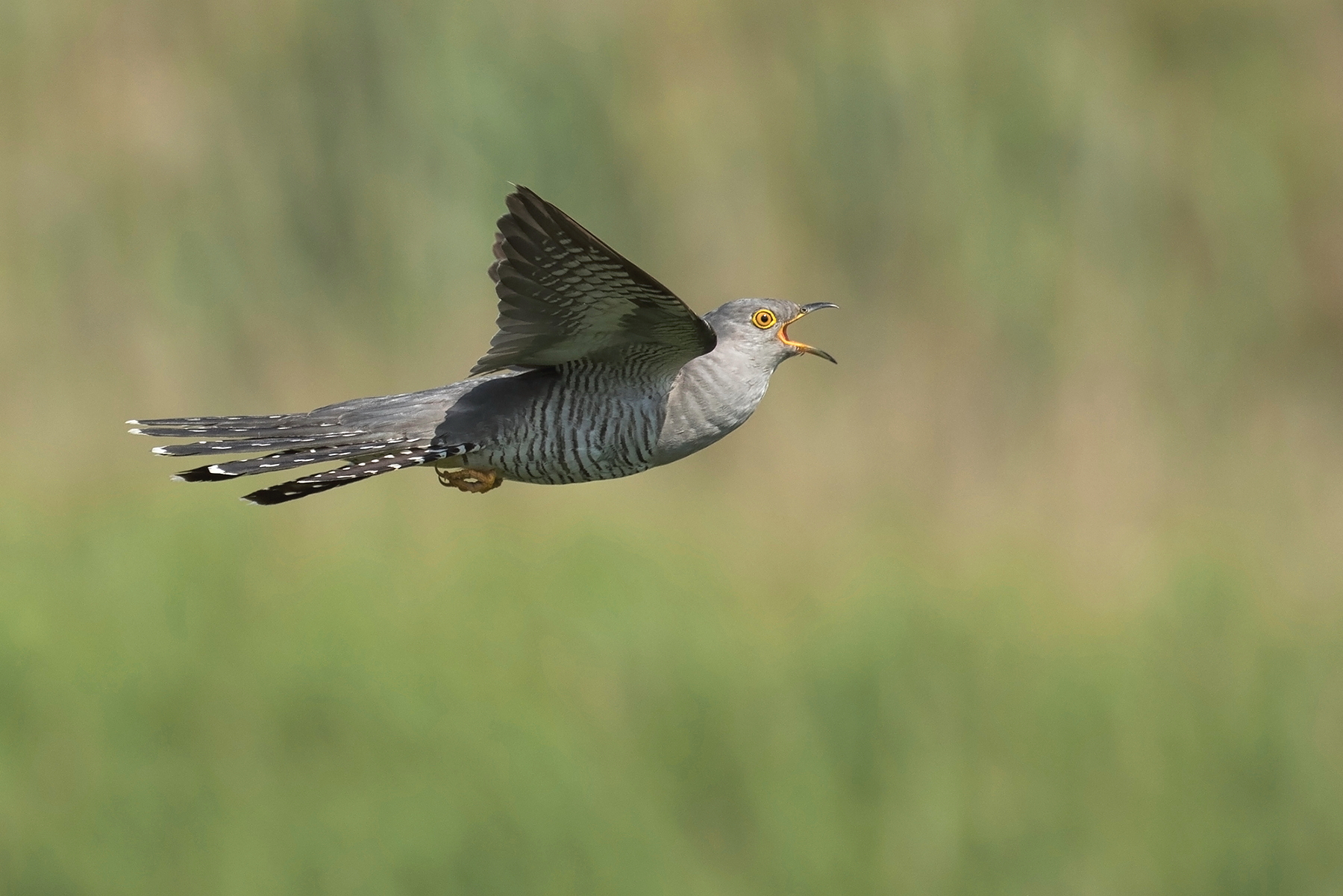
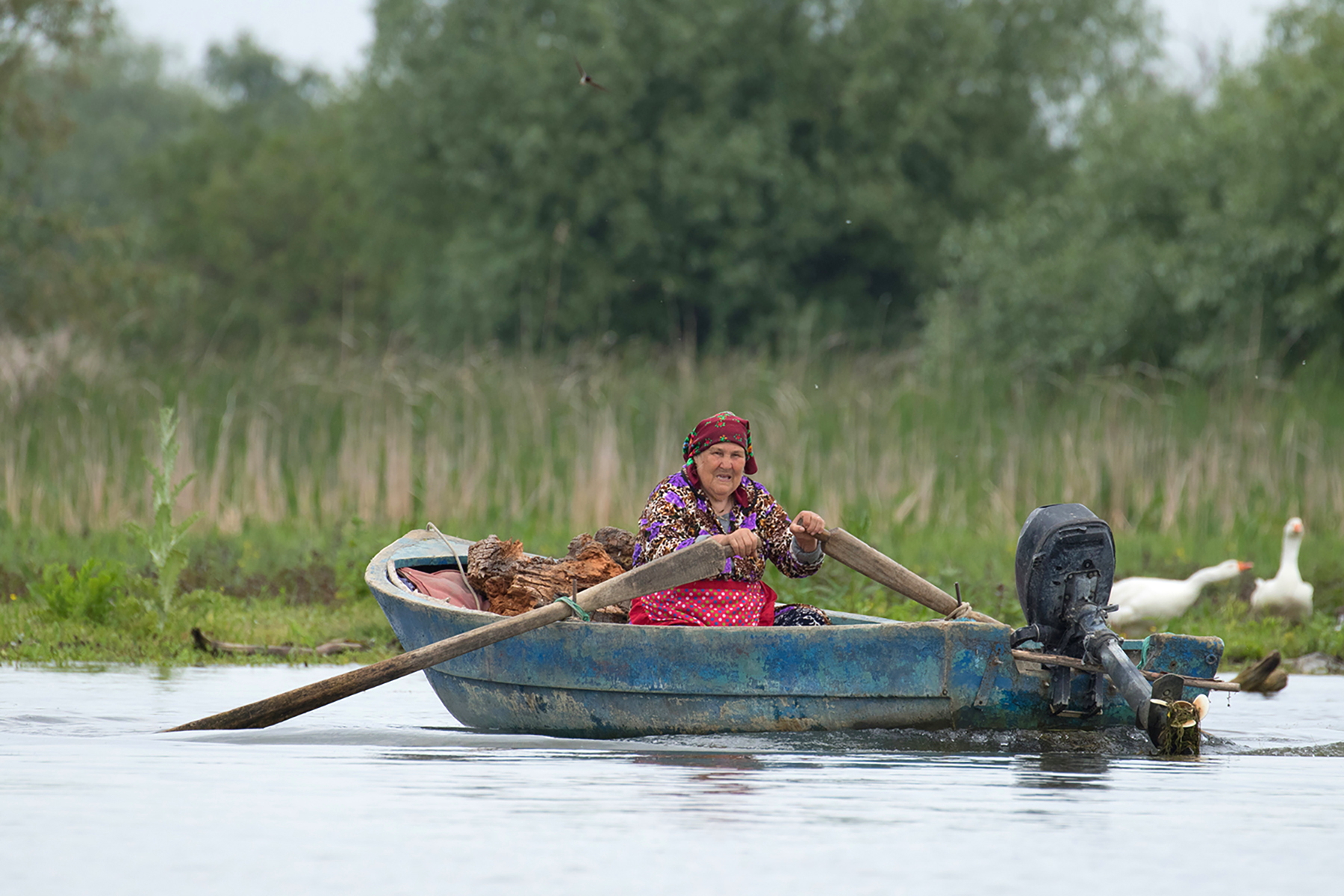
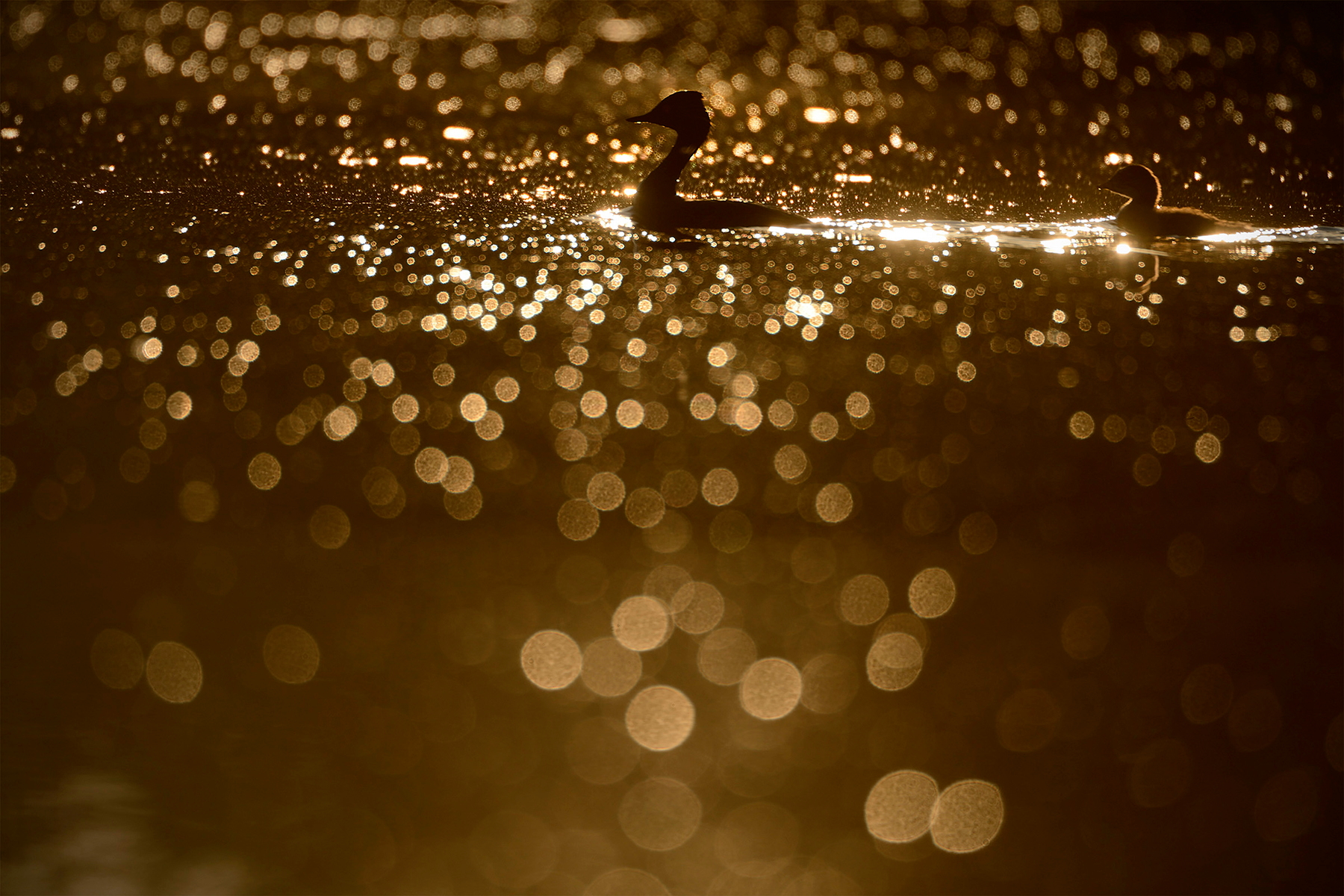
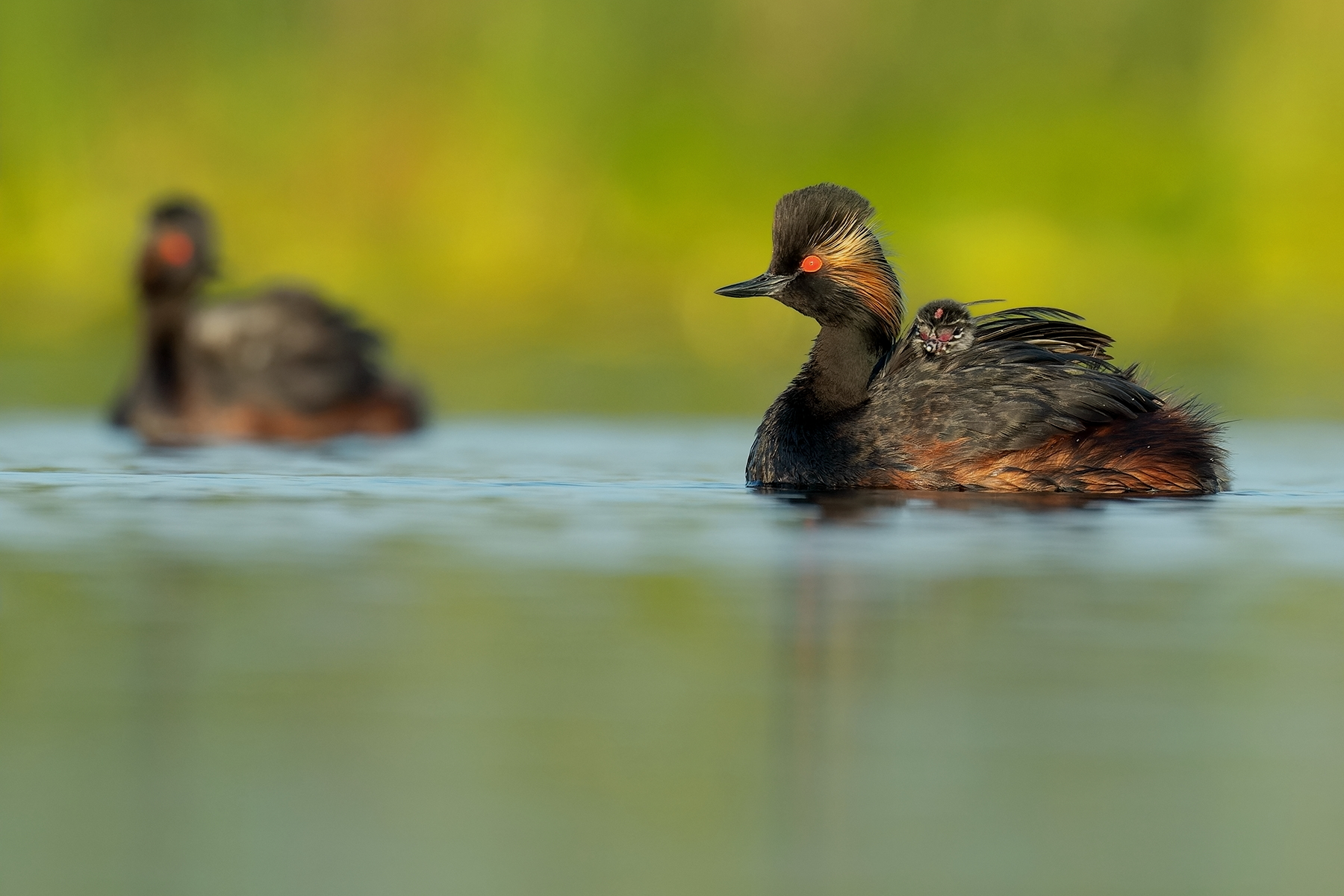
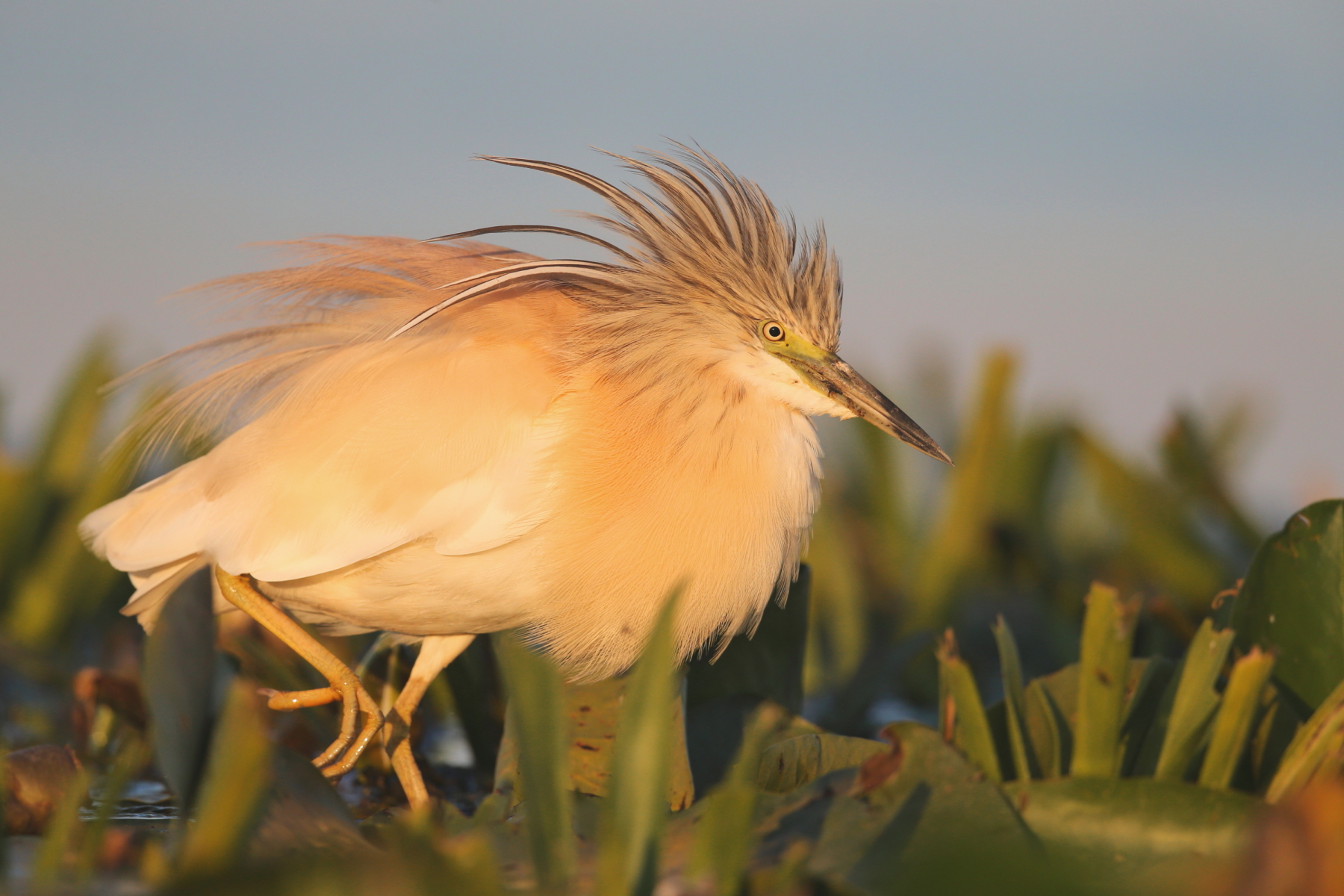
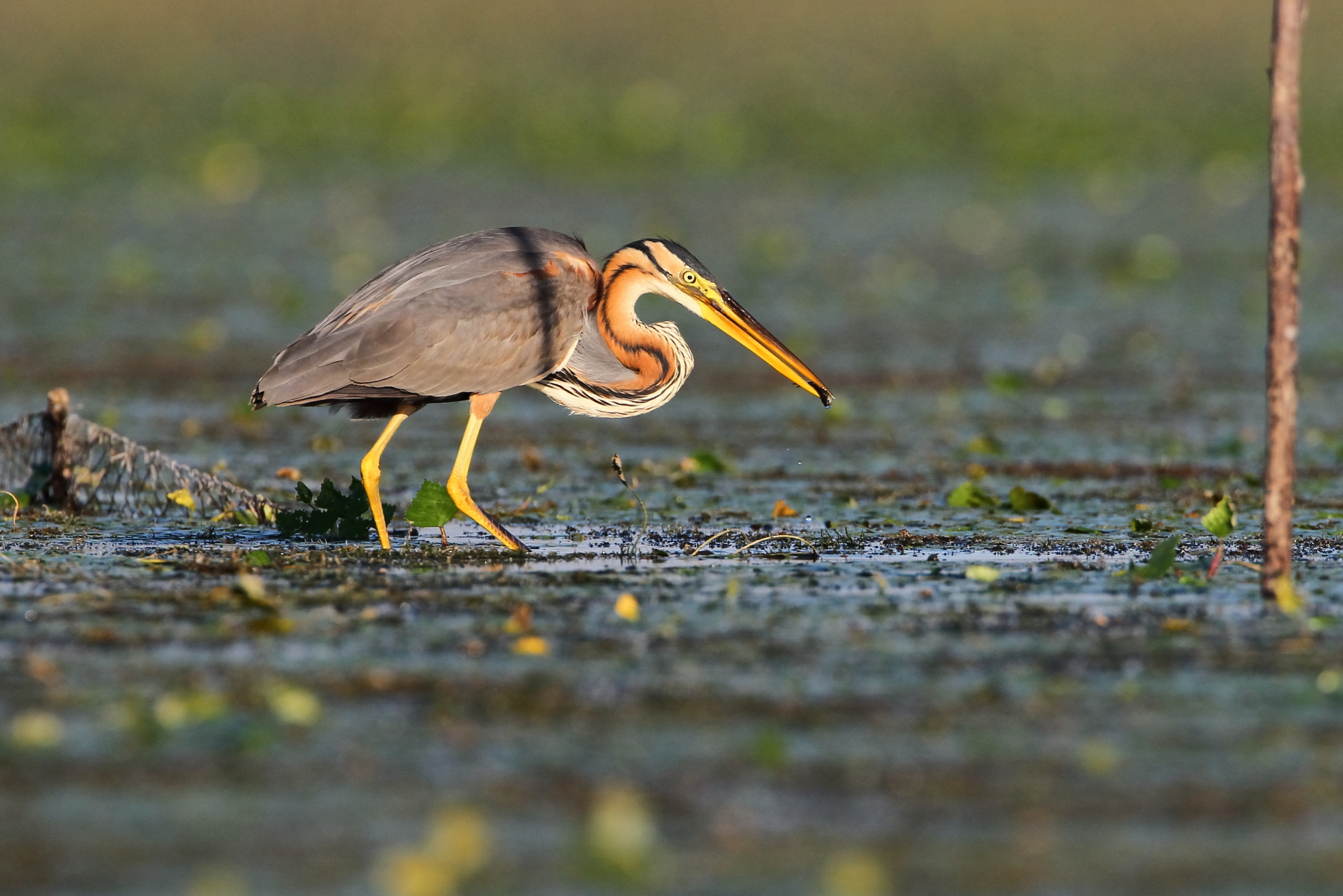
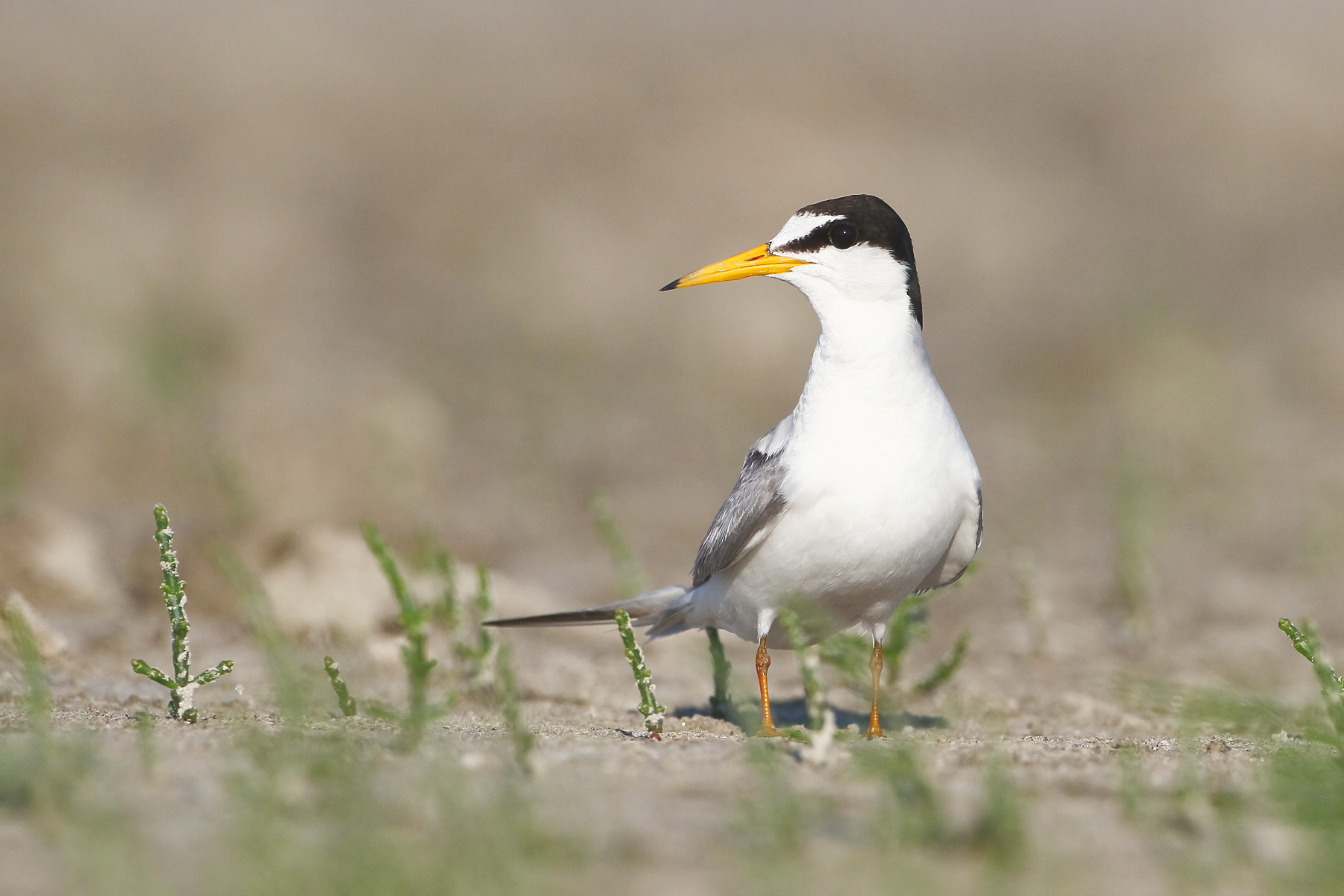
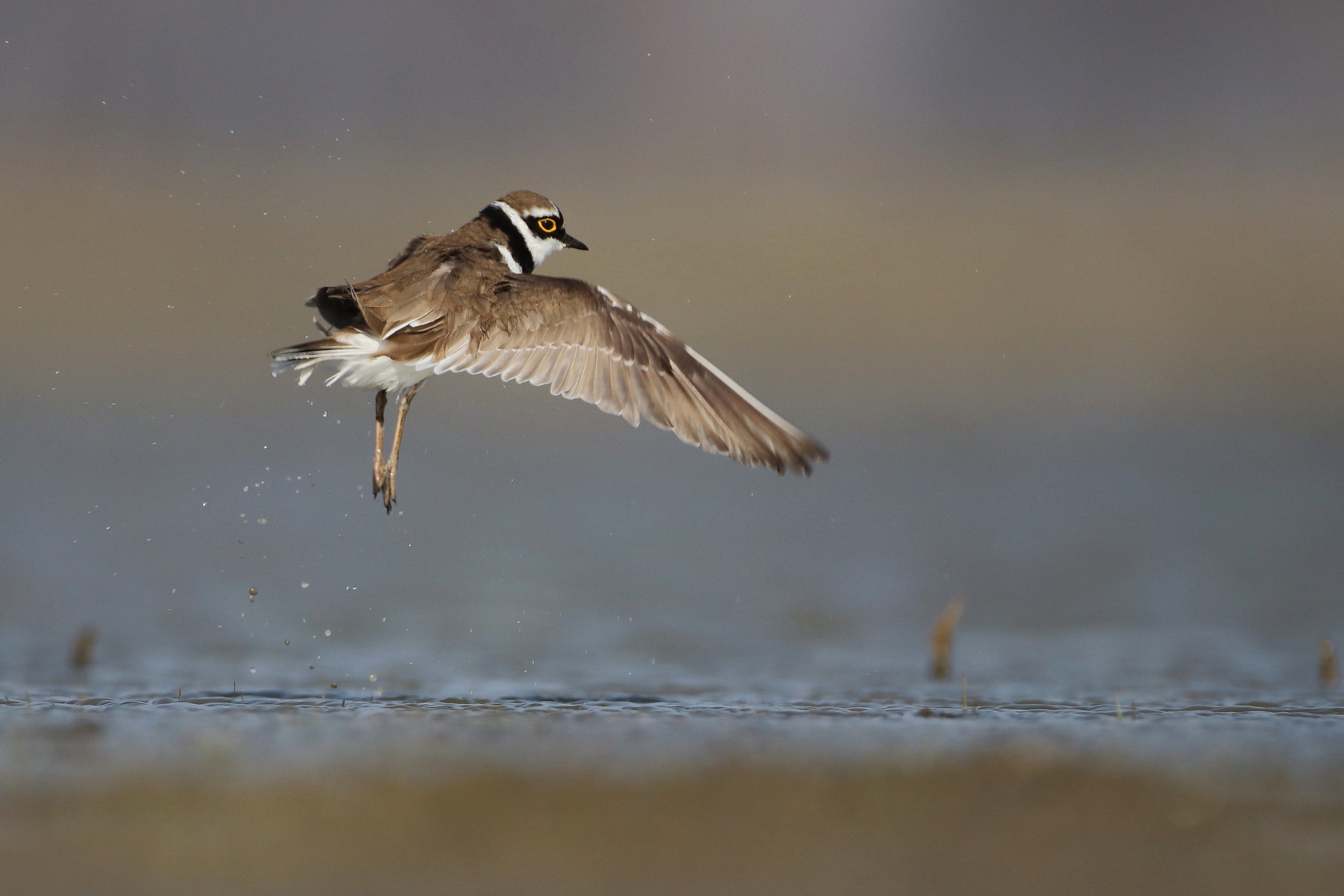
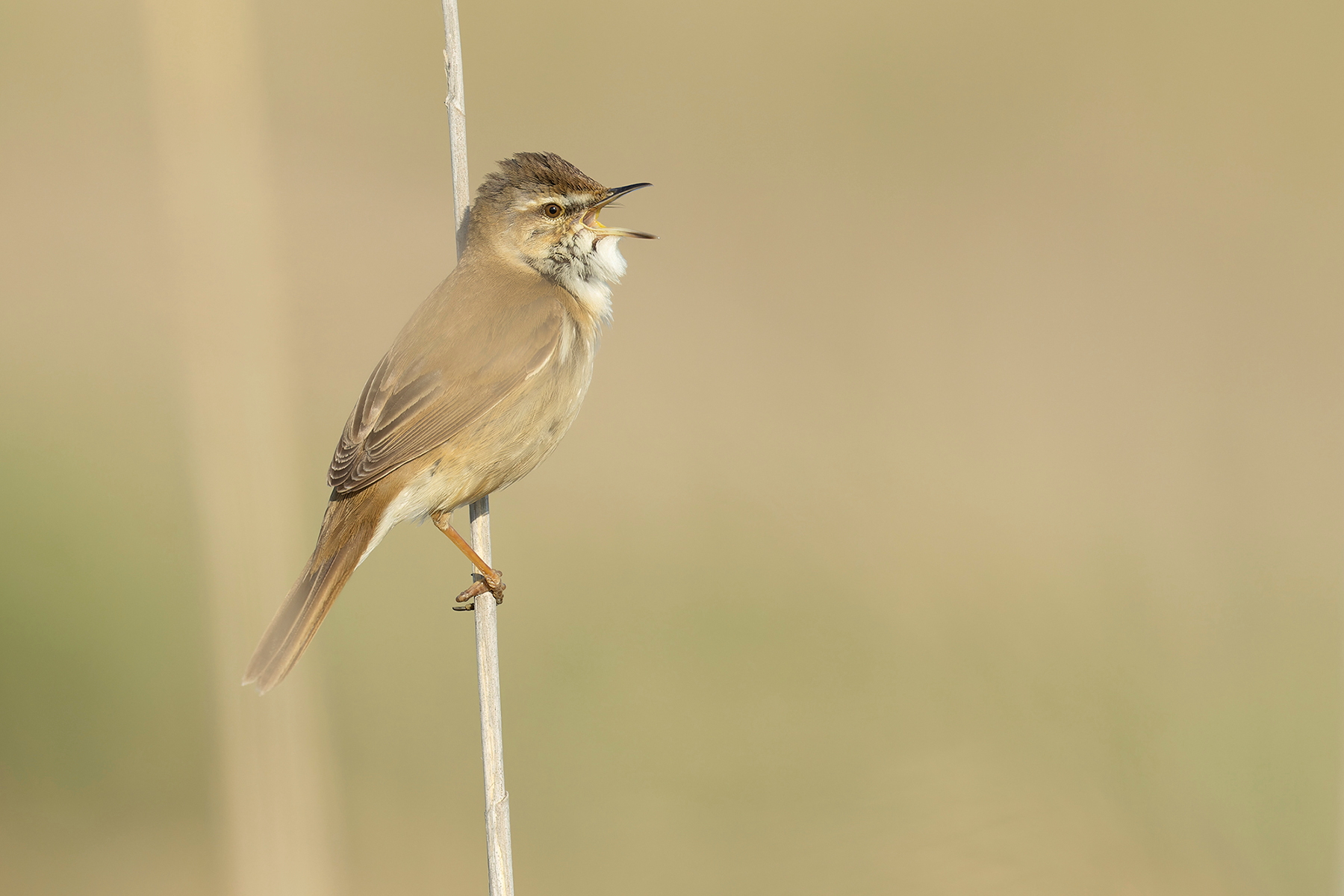
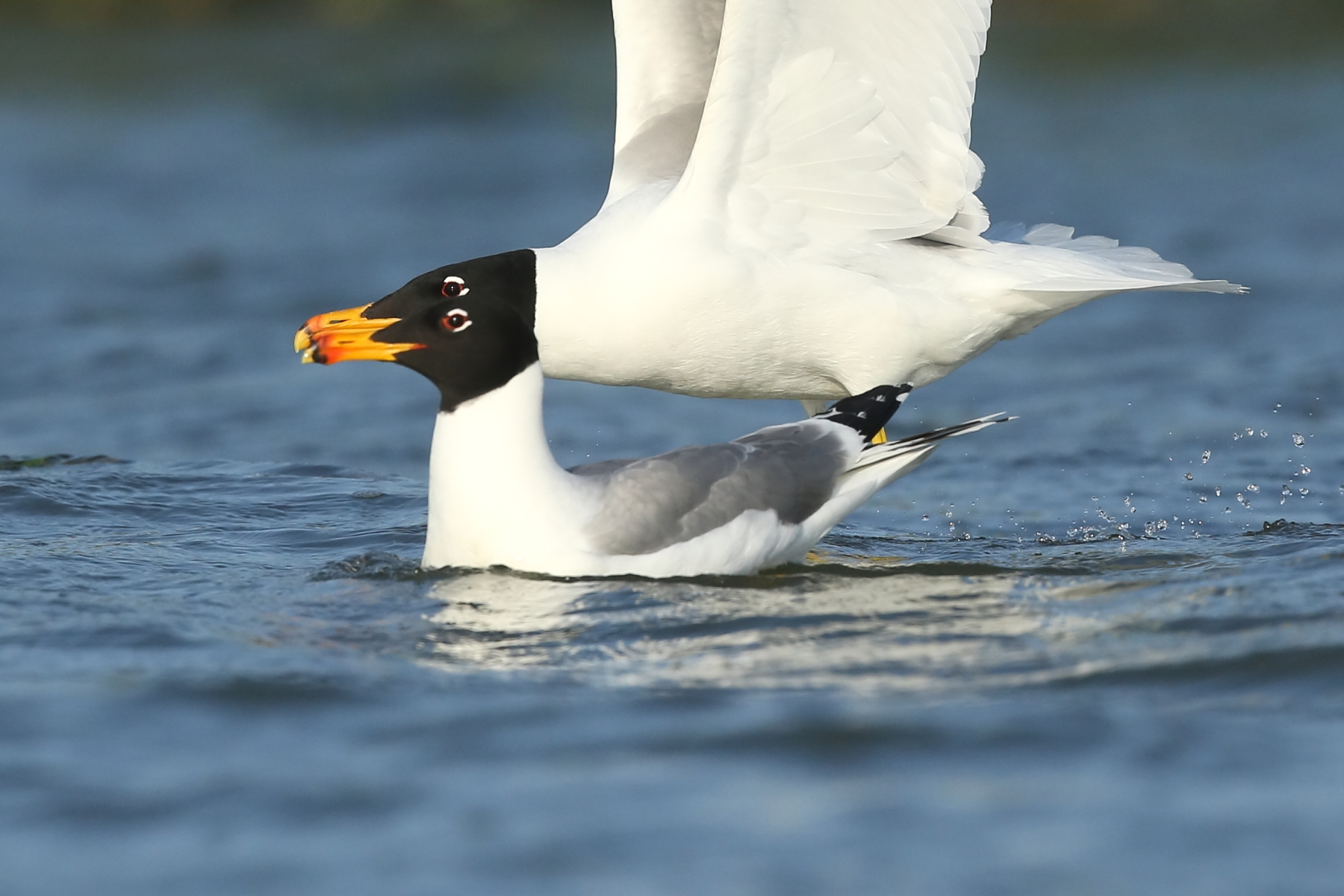
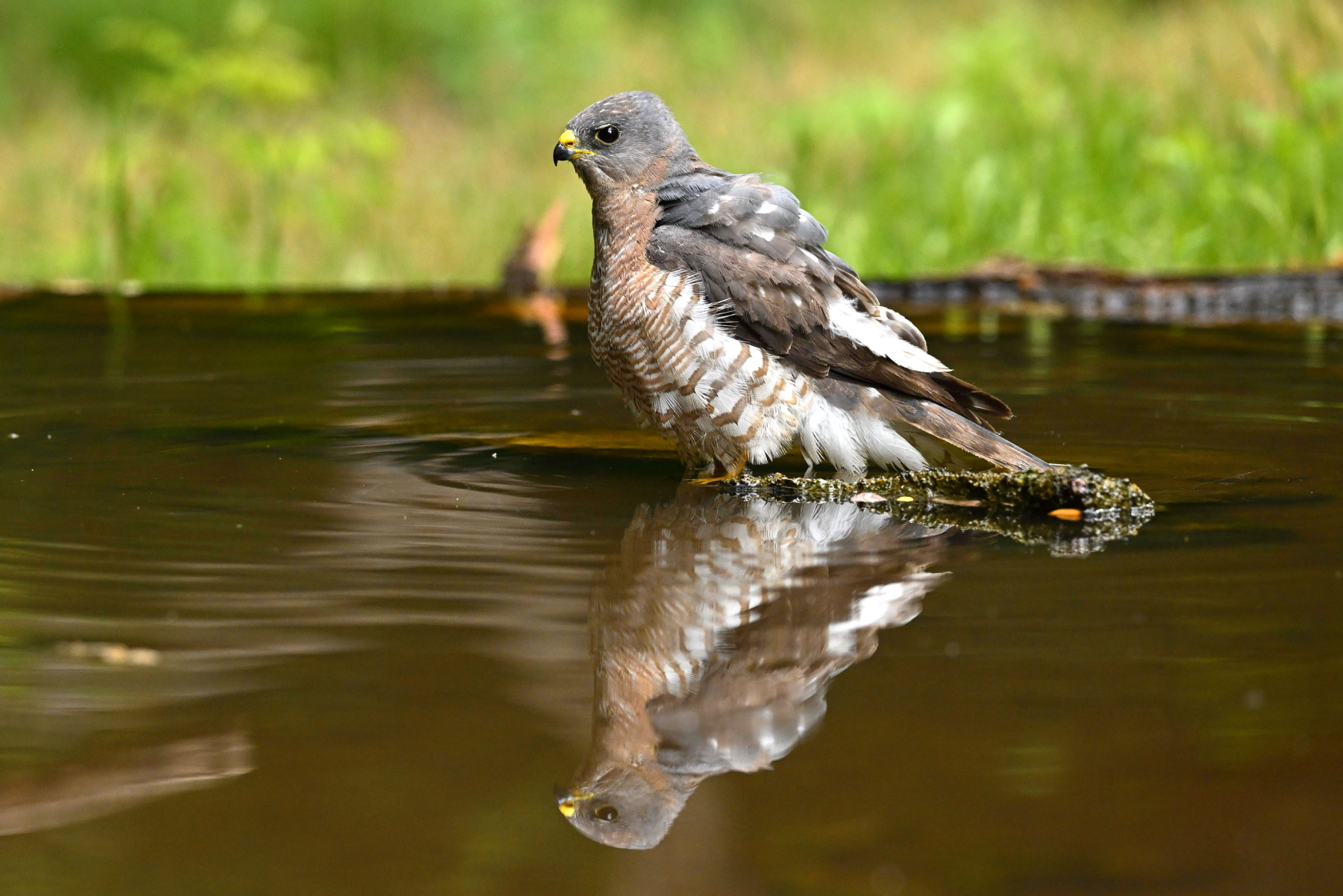
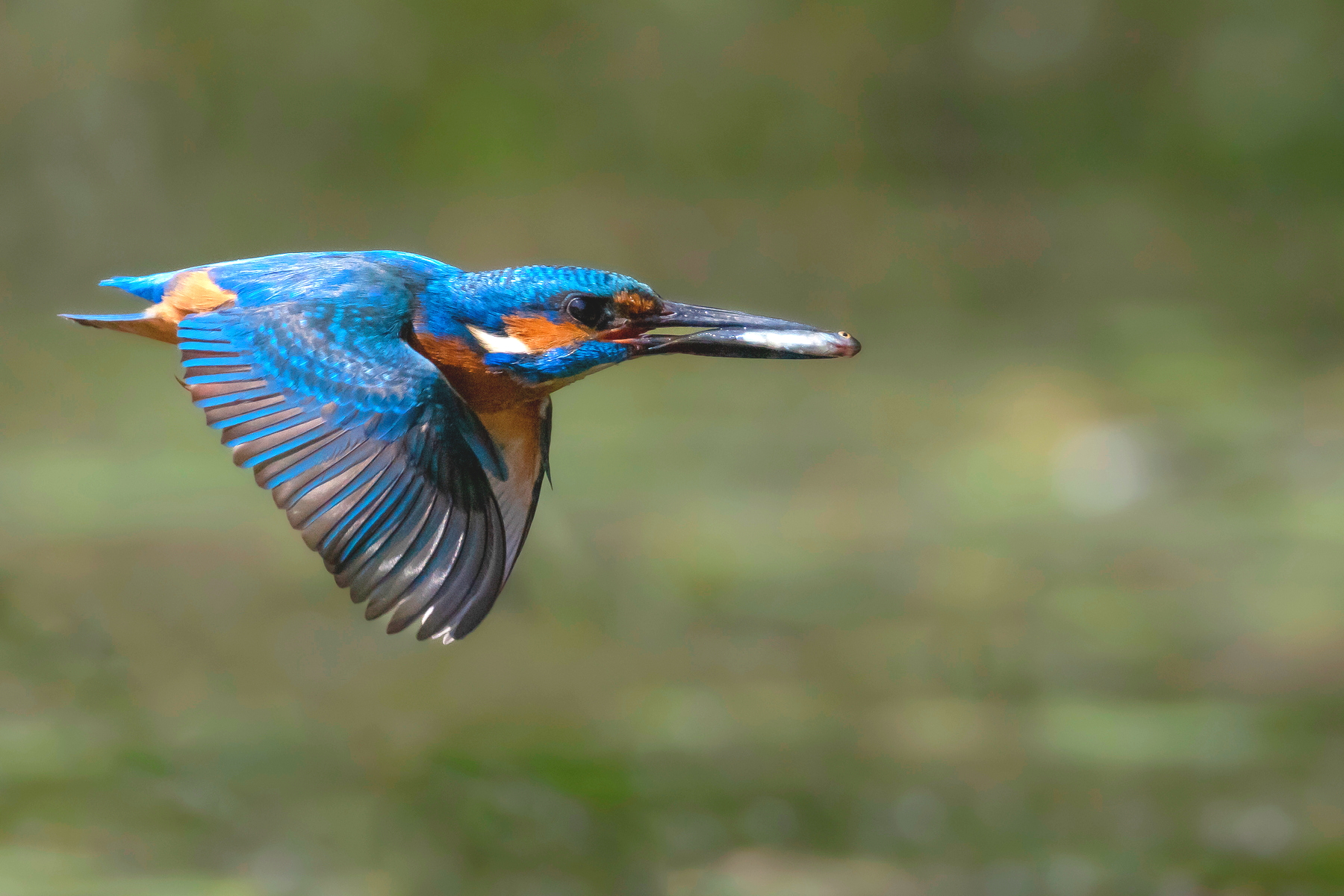
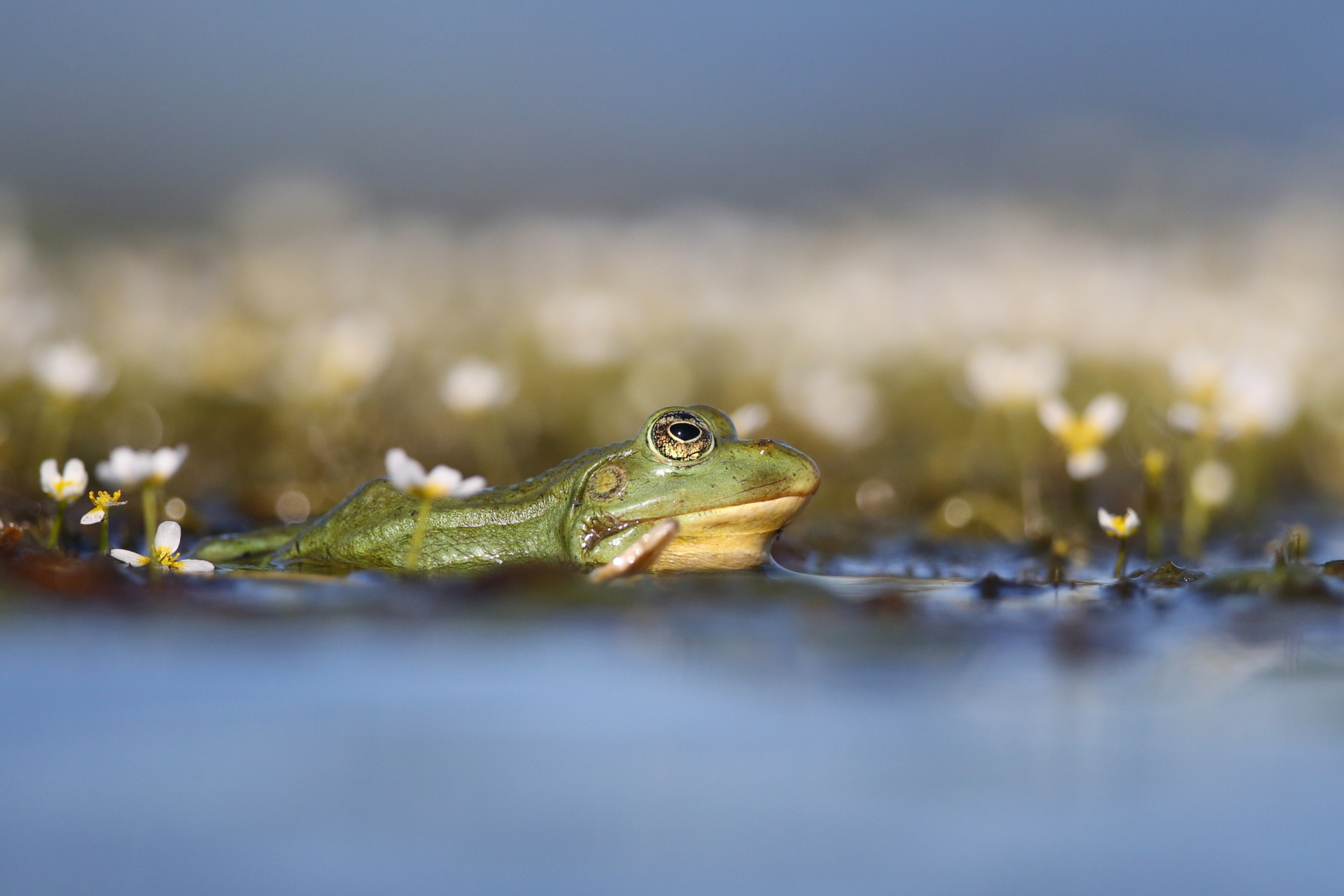
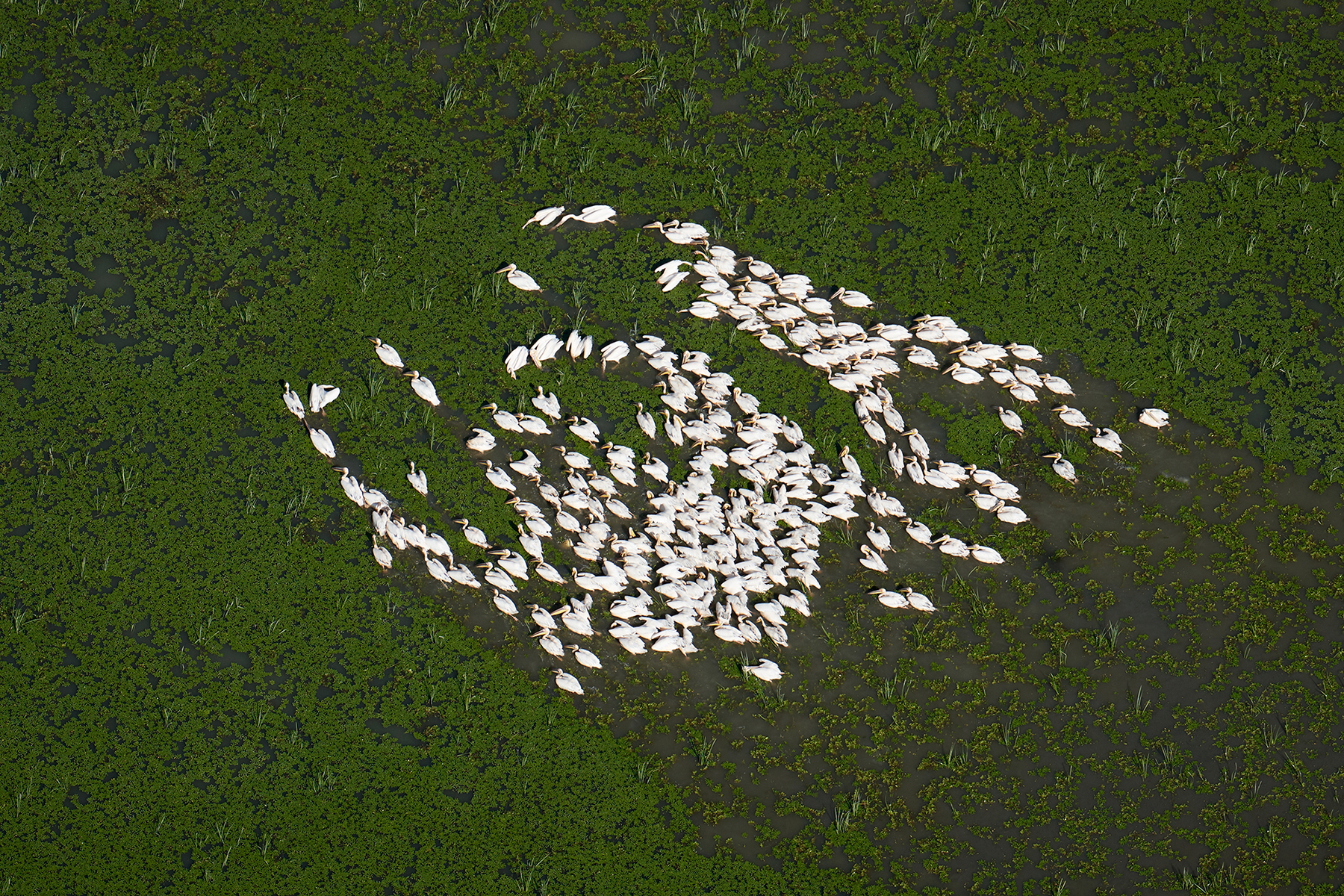
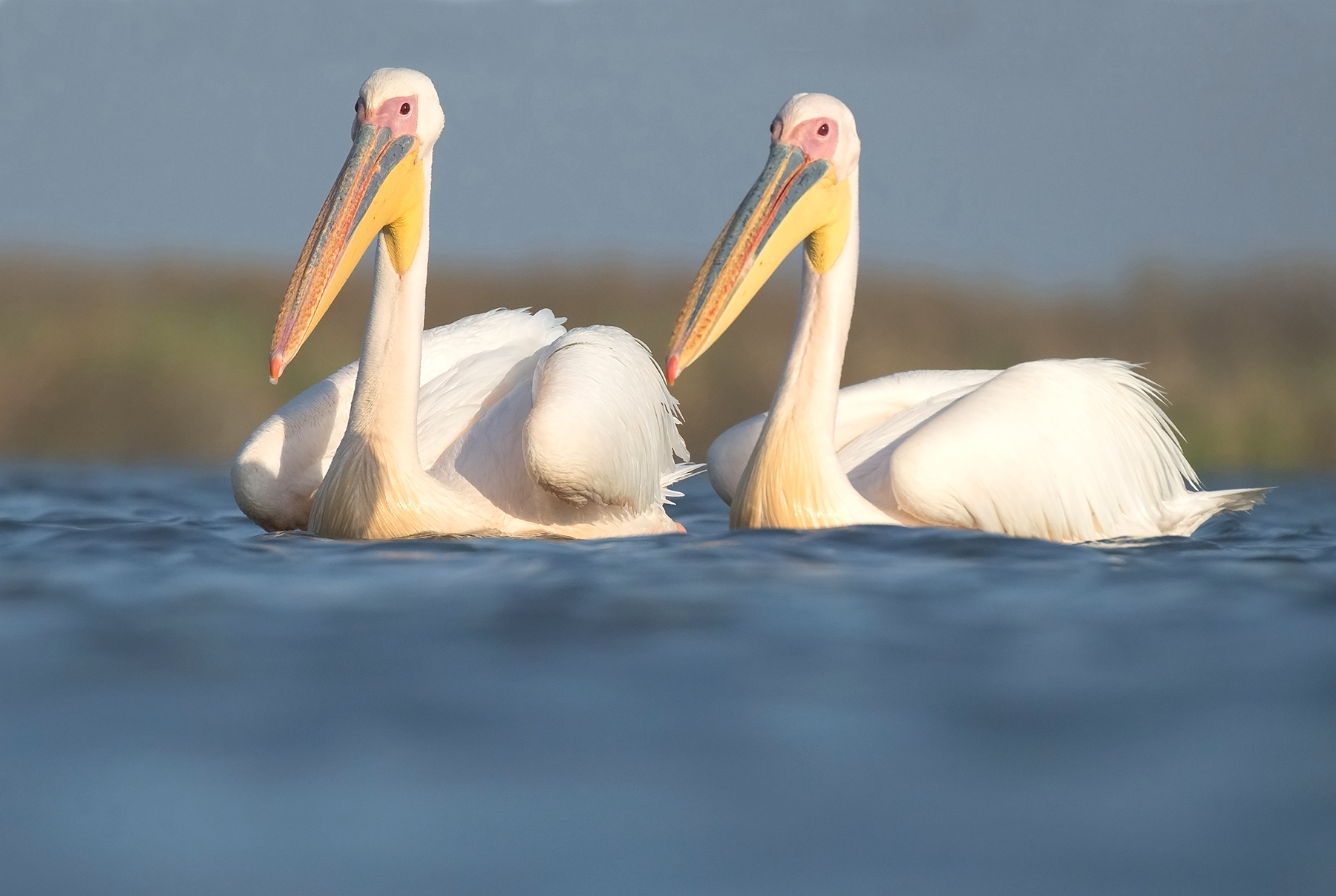
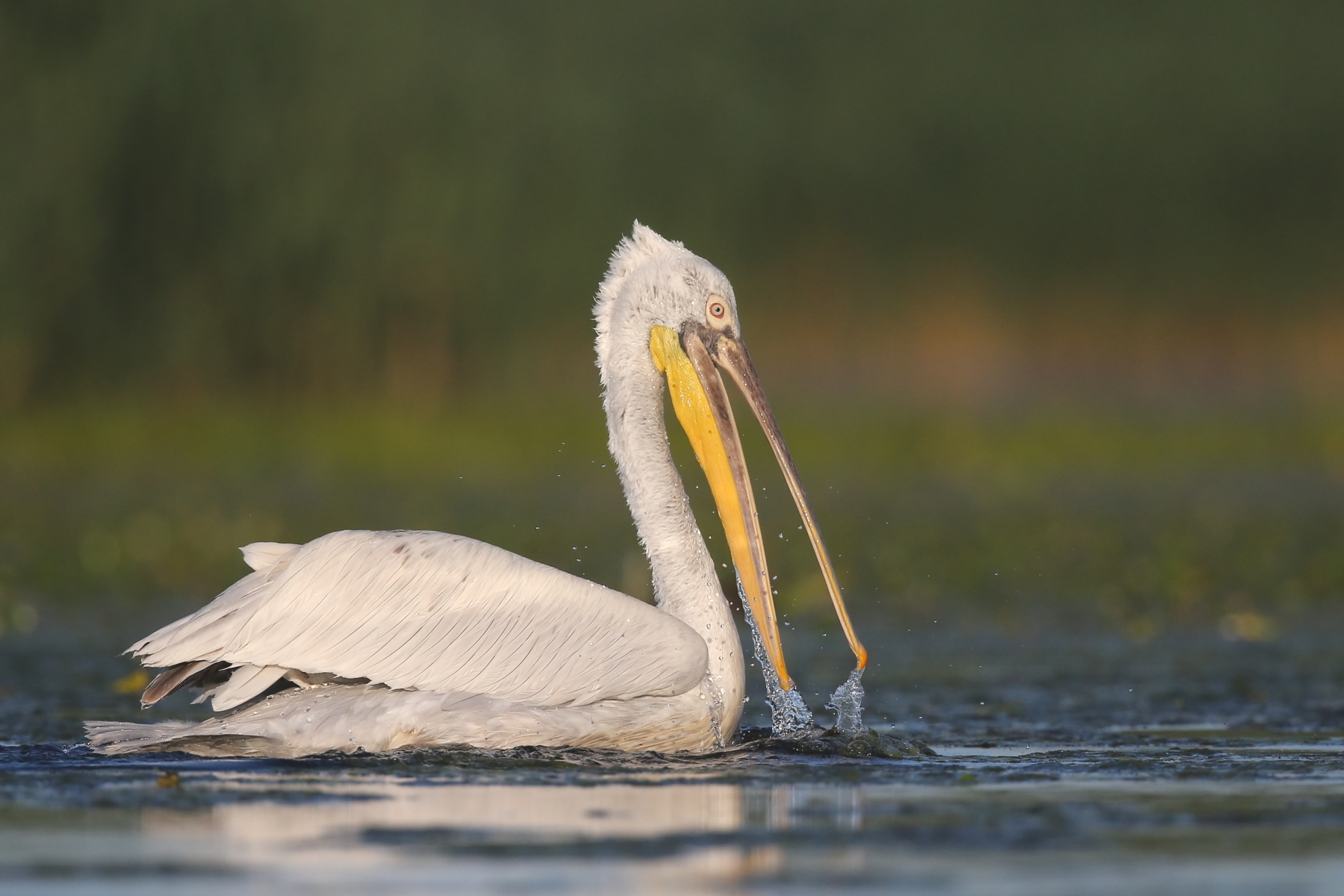
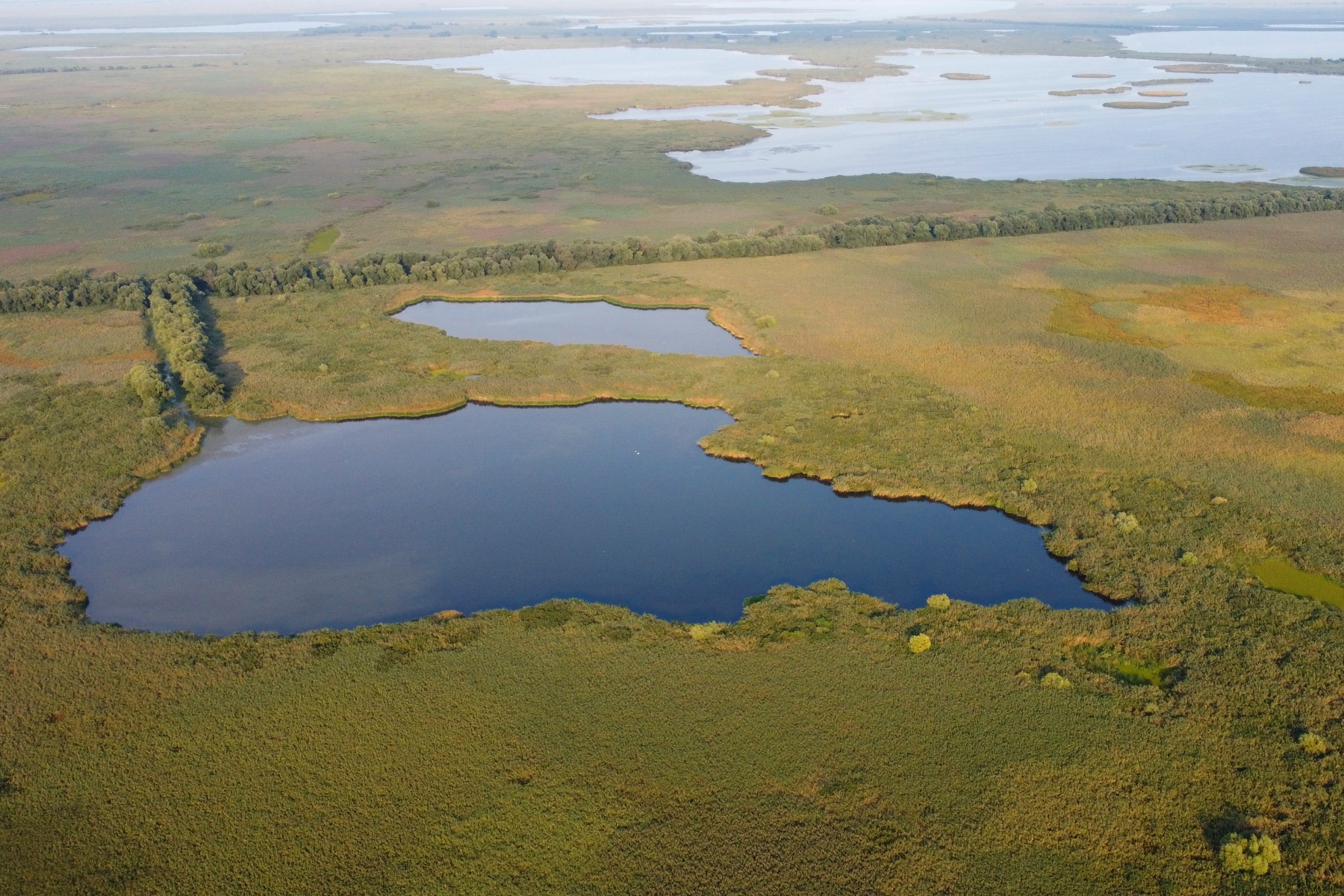
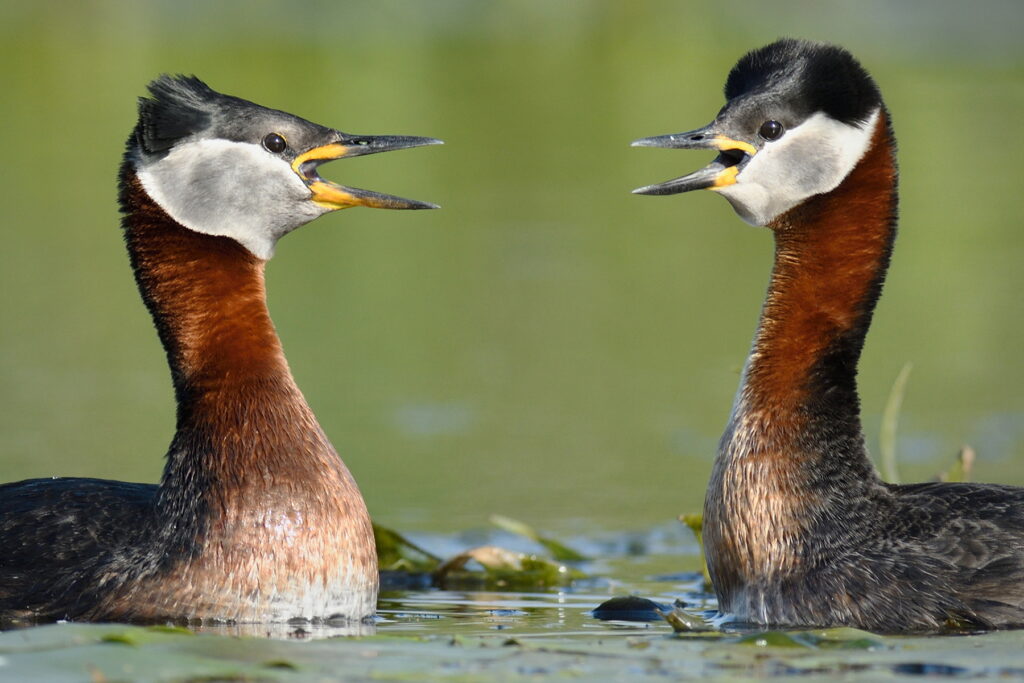
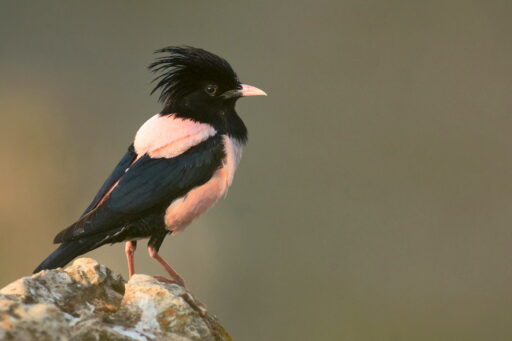
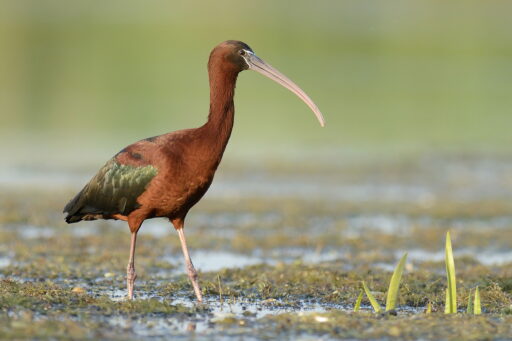
Bird-photography in the biggest wetland of Europe with a group size limit of only 4 photographers! This fantastic eight-day tour focuses on the Danube Delta and Dobrudja area of Romania which is an amazingly diverse breeding and migration hotspot of Europe! The tour combines hide-photography and stalking photography, though these two will merge together in our special photo-boat inside the Delta allowing superb possibilities getting close to birds! Please note this tour only operates in May and June and gives the biggest possible list of photographed species. If you interested only spending time in the delta with our photo-boat we have a different tour in late June and early July: Danube Delta Special.
PLEASE NOTE some tours run with reversed itinerary. This is subject to date, boat and guide availability and our office will let you know in the time of booking! The reversed itinerary spends the same amount of time at all locations!
Check out the optional Carpathian Brown Bear Photography Extension! Great value for money!
Tour starting and ending time: It is important to book your flight according to the official starting and ending times of the tour! Our bus and guide will be waiting all participants in the Otopeni Airport at Bucharest. Please make sure you can reach the starting point in time at 14:00 on the tour starting date! If you wish to arrive earlier to Bucharest our office can help you to book accommodation and logistics. However if you arrive early you need to make your way to the airport for the meeting time. In some cases we can pick up clients from the nearby airport hotels (please check with our office). Also very important that the tour only ends at 13:00 on the last day so please do not book flights out of Bucharest earlier than 16:00 on the last day!
Timing: Fixed dates but also available upon request
Recommended period between 10th May and 15th July
Duration: 8 days (7 nights)
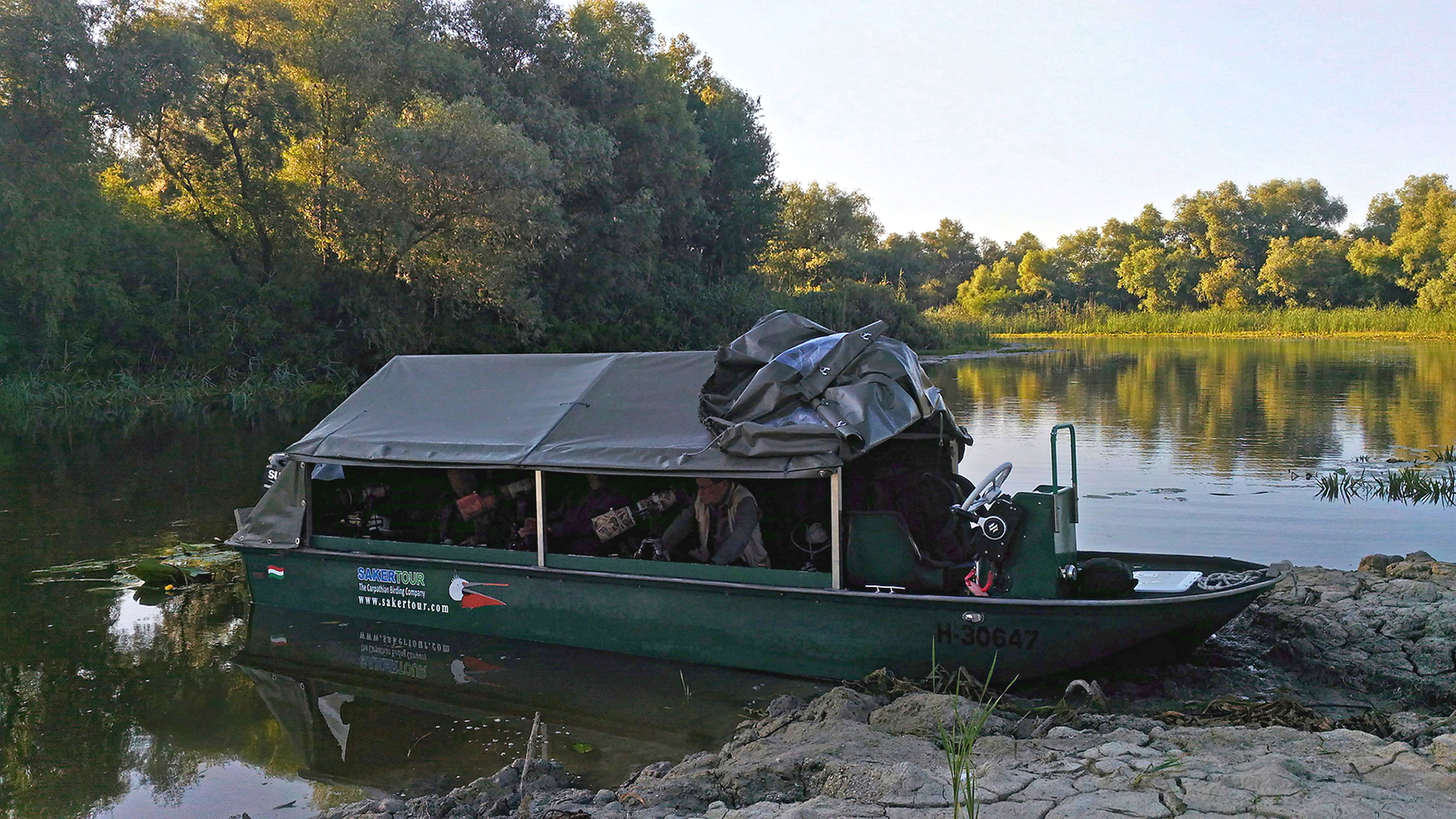
Logistics: Our daily routine inside the Danube-delta is to have two photo sessions a day. The morning session usually starts at ca. 04:30 and finishes at ca. 10.30-11:00, then the photographers have cooked breakfast and a three-hour rest before going out on the afternoon session (15:00–20:00). Most photography will take place from the custom-built photo-boat called ’Borzas’. On all other days the daily programme is to be discussed with the guide.
Recommended equipment: This tour will offer you very diverse photographing opportunities. Therefore, we suggest that you bring along lenses from fish-eye and wide angle to 300mm and 500mm ones.
Expected number of birds species photographed on this tour: 30-50 species
What to bring: torch, binocular, tripod, insect repellent, waterproof and/or slipping proof sandals or slippers, wind proof clothing for the fast boat rides, sun block and hat.
Accommodation & Road Transport: The hotels are of a good standard for most of the tour. In the Macin area slightly lower standard but it is clean (one night). Road transport is by minibus and roads are generally good.
Walking: The walking effort is mostly easy throughout the tour and only once you need to moderate climb to reach the Rock Thrush Hide. This is an approx. 30 minutes’ walk but our guide can help you carrying your photo equipment if needed.
Climate: In May and June most days are warm to hot, dry and sunny and temperature is up to 27- 33 degrees Celsius. The photography activity will be focused on the early morning and late afternoon hours however, so it will not be inconvenient.
Price and Date
| Tour date: | May 18 ‒ May 25, 2024 |
Guaranteed departure | |
| Price from: | 2300 €/person |
| Deposit: | 400 €/person |
| Single room suplement: | 210 €/person |
| Availability: | 1 place available |
|
BookingGuaranteed departure
|
|
| Tour date: | June 1 ‒ June 8, 2024 |
Guaranteed departure | |
| Price from: | 2300 €/person |
| Deposit: | 400 €/person |
| Single room suplement: | 210 €/person |
| Availability: | FULL |
| Tour date: | May 17 ‒ May 24, 2025 |
Guaranteed departure | |
| Price from: | 2370 €/person |
| Deposit: | 400 €/person |
| Single room suplement: | 210 €/person |
| Availability: | 4 places available |
|
BookingGuaranteed departure
|
|
| Tour date: | June 7 ‒ June 14, 2025 |
Guaranteed departure | |
| Price from: | 2370 €/person |
| Deposit: | 400 €/person |
| Single room suplement: | 210 €/person |
| Availability: | 4 places available |
|
BookingGuaranteed departure
|
|
Booking deposit: As soon as you fill out a booking form we will send you a deposit invoice and information of the final payment.
Group size:
The minimum group size is 3 photographers
The maximum group size is 4 photographers
Cost includes:
- Bucharest-to-Bucharest all-inclusive
- The use of our unique photo-boat
- The use of our portable hides and blinds
- All transportation throughout the tour
- All meals
- All accommodation
- All entrance fees
- Local guides
Cost excludes:
- International flight to Bucharest
- Alcoholic drinks
- Services of personal nature (telephone calls, laundry etc.)
- Tips to guides
Detailed Itinerary
Day 1. The tour begins at Bucharest around 14.00 PM local time, from where we will transfer you to Tulcea – the gateway to the Sulina arm of the Danube Delta. Upon arrival we will board to our purpose built photo-boat called ’Borzas’ and travel to our base near Mila 23 village for the next 3 nights.
If you can`t find suitable flight to Bucharest Airport to arrive in time we suggest you to travel a day earlier and spend the night in an `Airport Hotel`. Our office staff can help you to find the right one for you if needed!
Days 2 – 4. We will have three days of photography inside the Danube Delta. This will allow us to enjoy a variety of subjects in this last wilderness of Europe. The exact program will be determined by the available subjects and the desires of the photographers. We will have two photo sessions daily. We usually start 30 minutes before sunrise and return to our accommodation for lunch and rest. The afternoon session will last until sunset.
After a last morning session and the usual midday siesta we will sadly leave the Danube Delta behind and travel back to Tulcea. During the way back to Tulcea we still keep the cameras ready for action and often you got some special moments at the very end of your stay! In the afternoon we will drive to the Macin National Park for atwo nights stay.
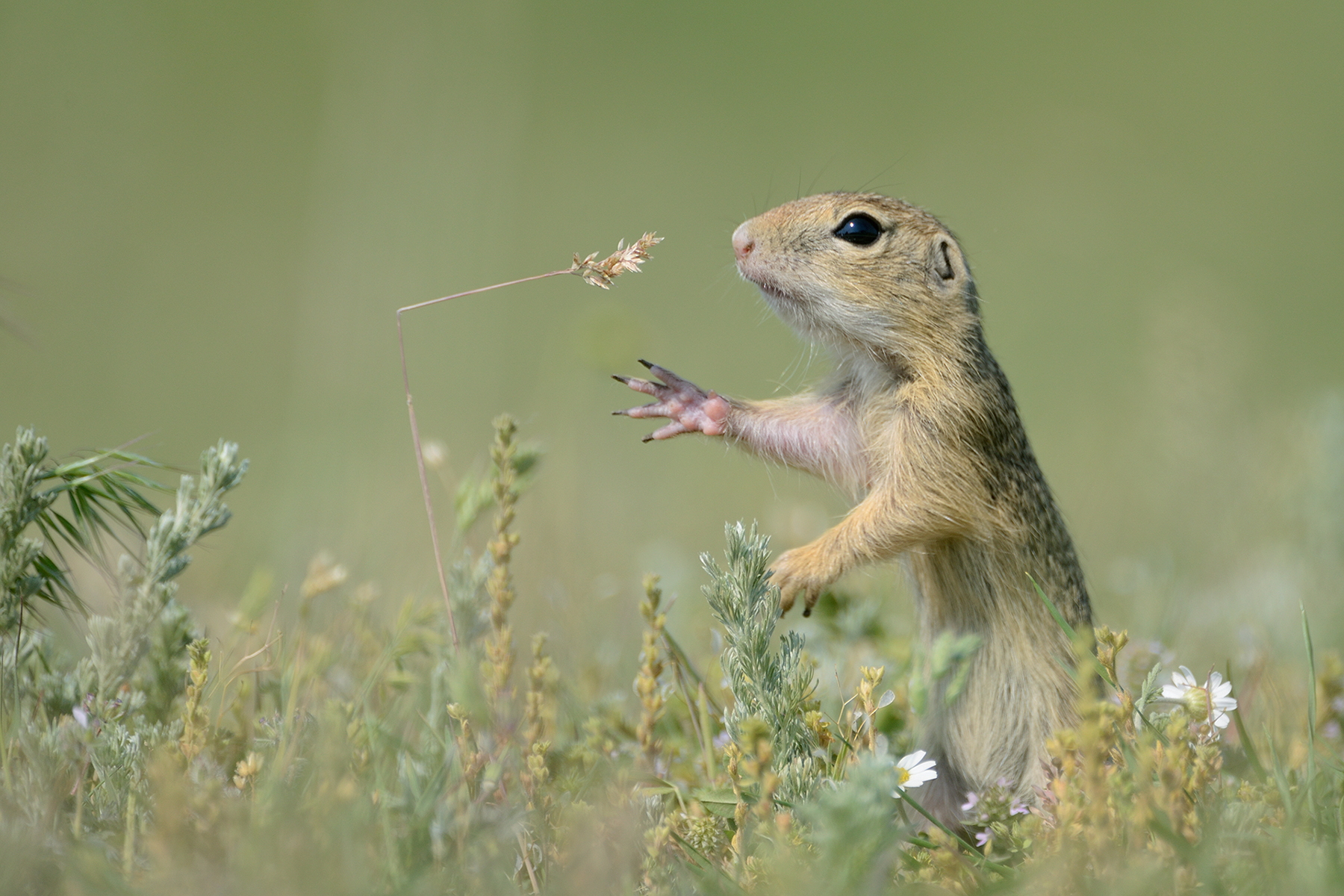
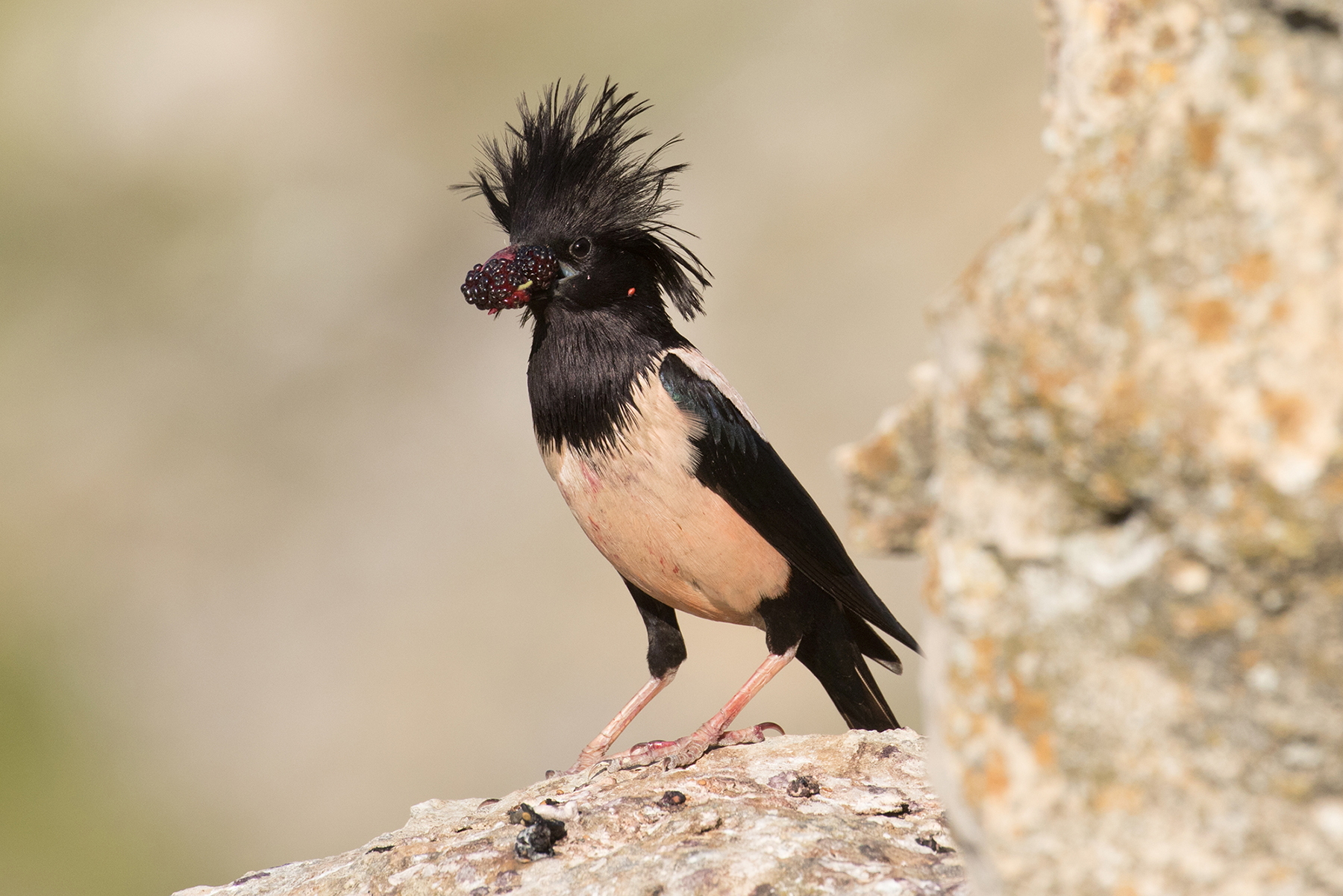
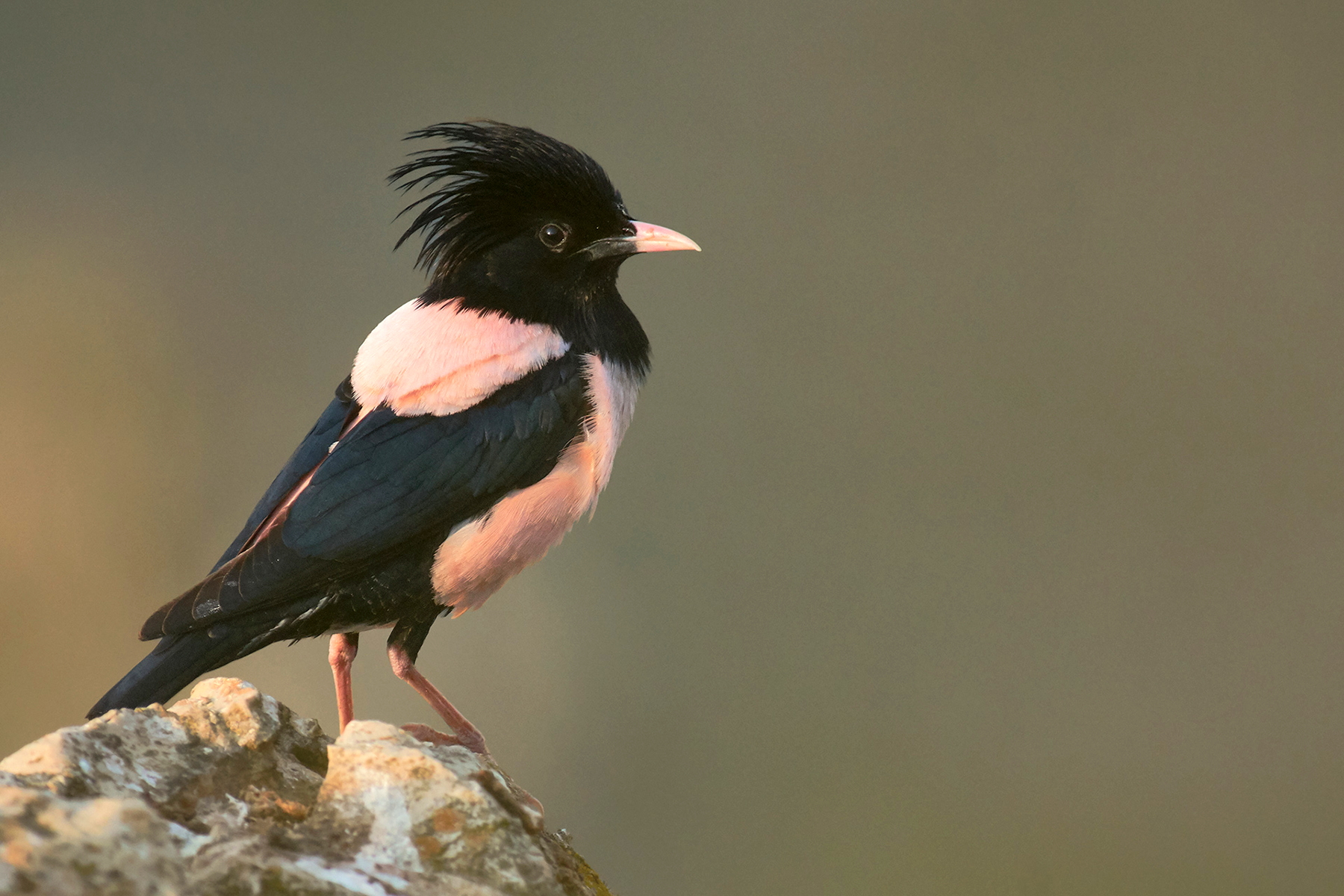
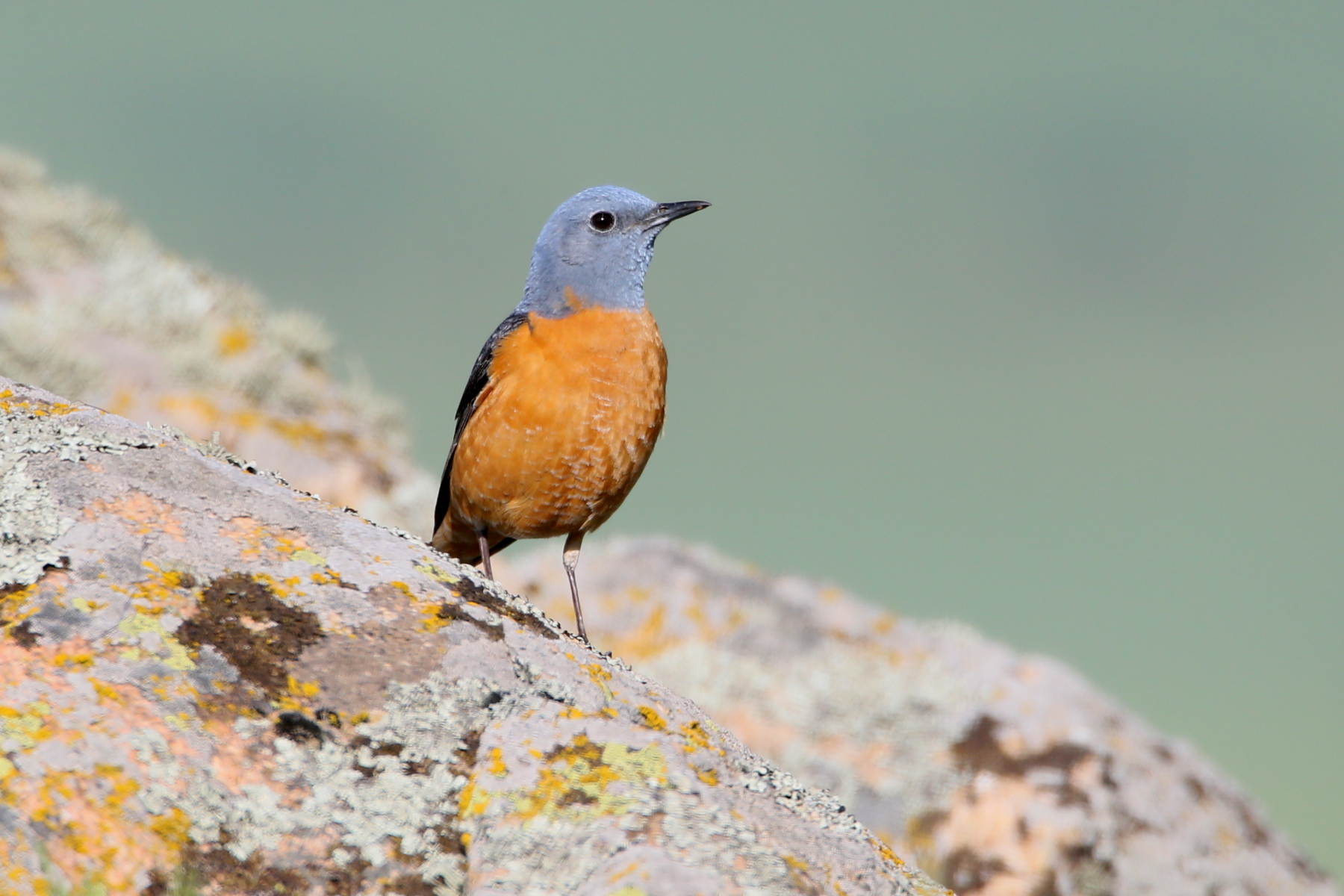
Day 5 – 6. Usually we have 2 days photographing the various subjects around this amazing area. You can visit the ’Macin drinking hide’ or the ’Rock Thrush Hide’. This rather dry and rocky habitat support a lot of scarce birds and our hides most probably will be visited by several species however this is not a woodland hide so do not expect 25-30 species! The Rock Thrush population has been declining here too and in some years we dont have any accessible birds. So the actual tour programme is decided by the leader and the participants together based on the available subjects. If any suitable subject found ` doghouse’ type blinds can be used any time. Subjects we have been photographing in this area include LIttle Bittern, Roller, Bee-eater, Isabelline Wheatear, Red-rumped Swallow and Souslik. We also working now on a Long-legged Buzzard Hide and hopefully will be operational by 2020. At the end of the second day we will transfer you to Constanta for a two night stay.
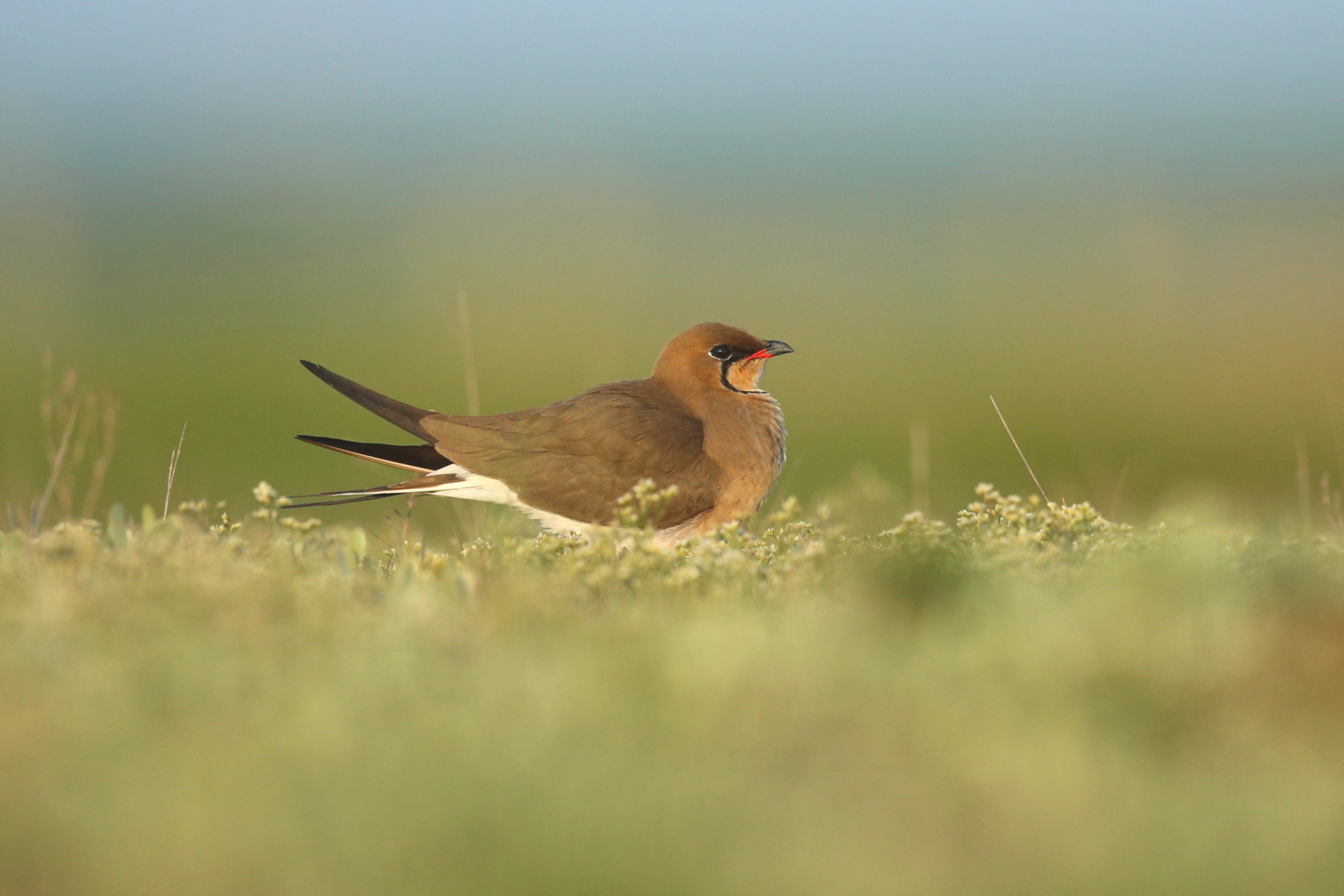
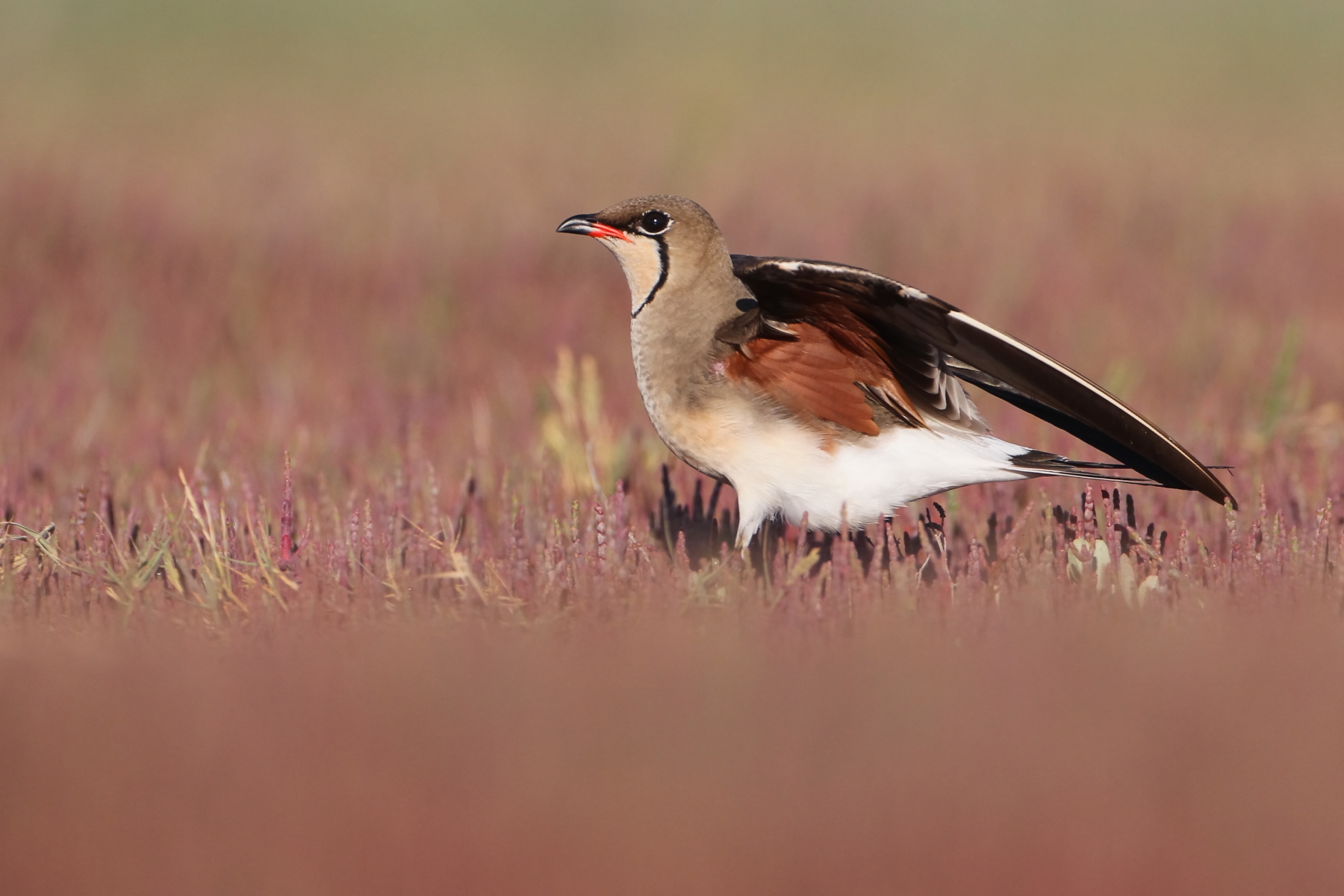
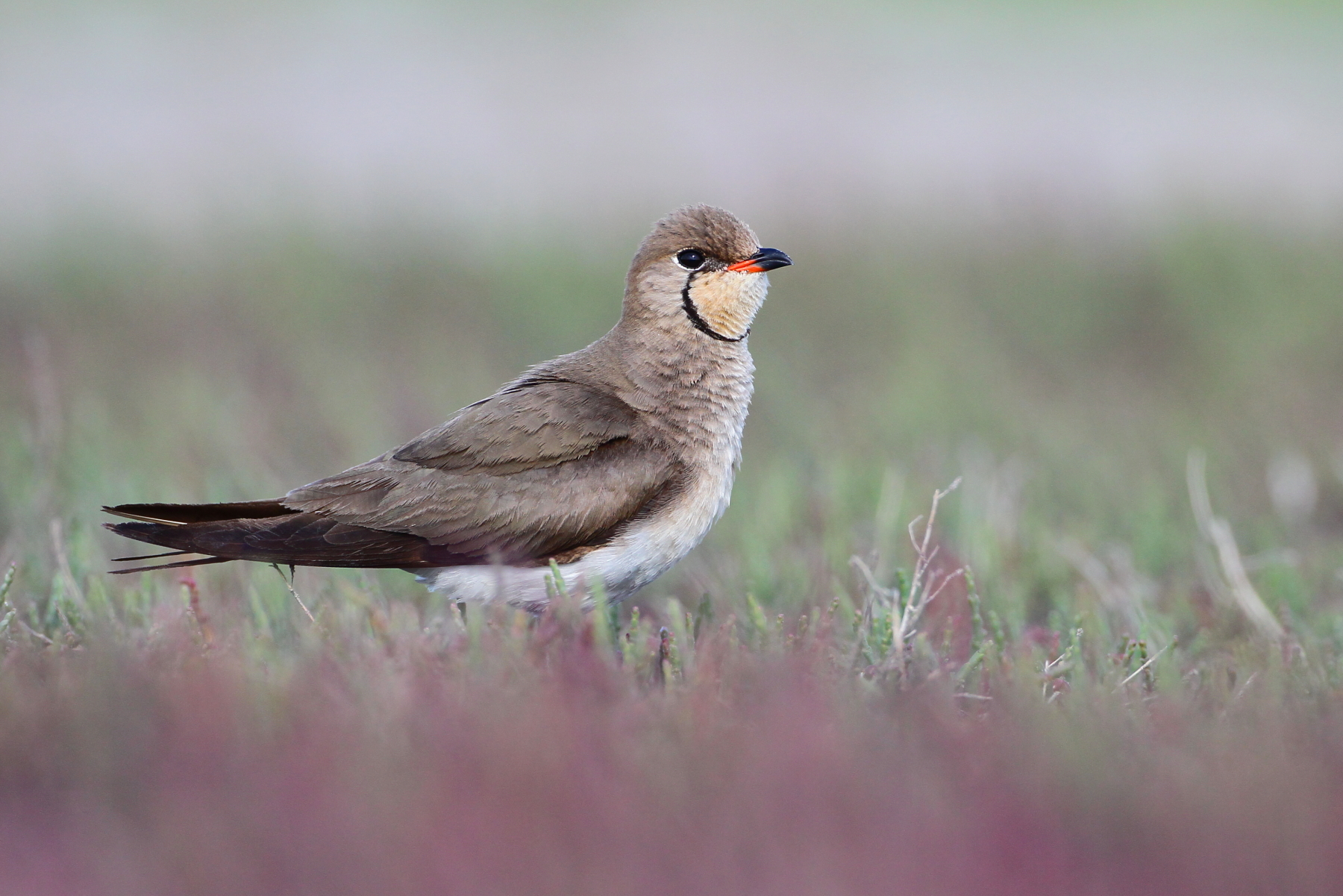
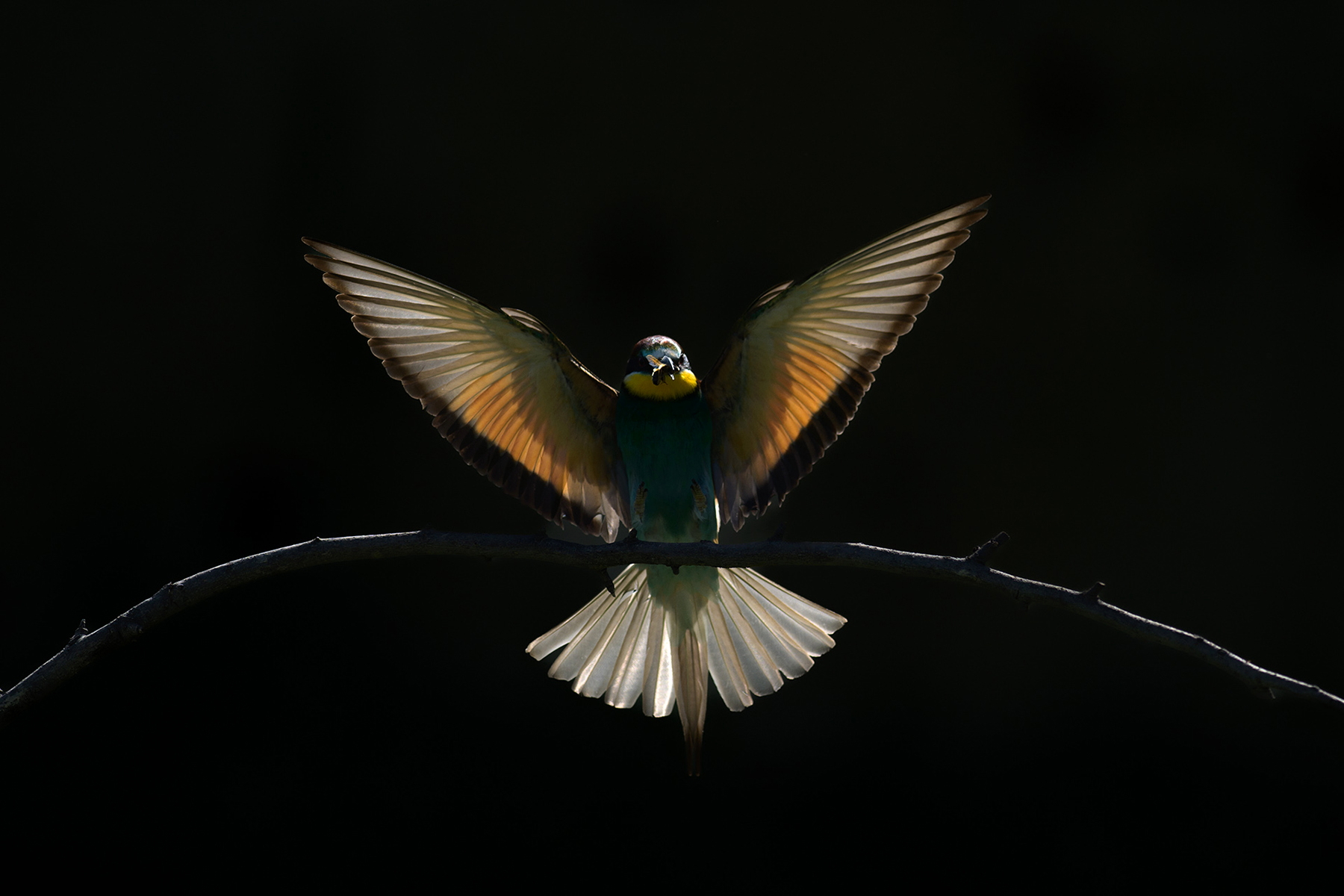
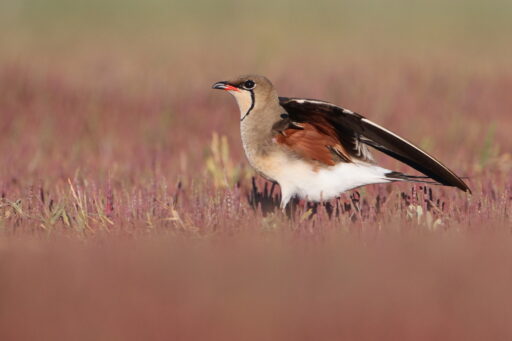
Days 7. A full day will be spent around Constanta where we will concentrate our efforts on wetland and Steppe species. We usually start the day with Collared Pratincoles, European Bee-eaters, shorebirds or Red-footed Falcons. We will be doing stalking photography but blinds or camouflage nets can be used if required. For shorebirds you have the possibility to lie down on matrasses (low canvas hides) for lower angle.
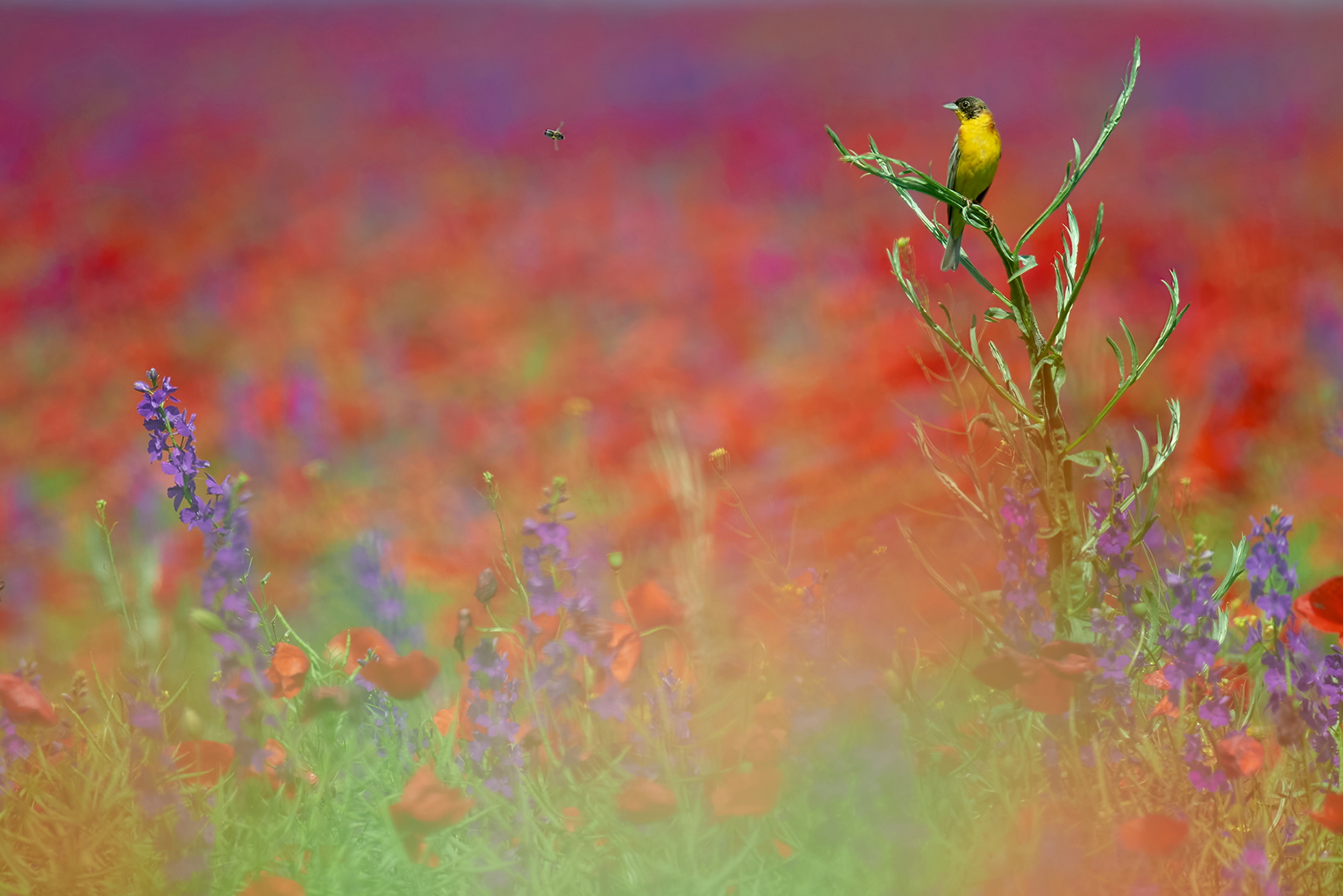
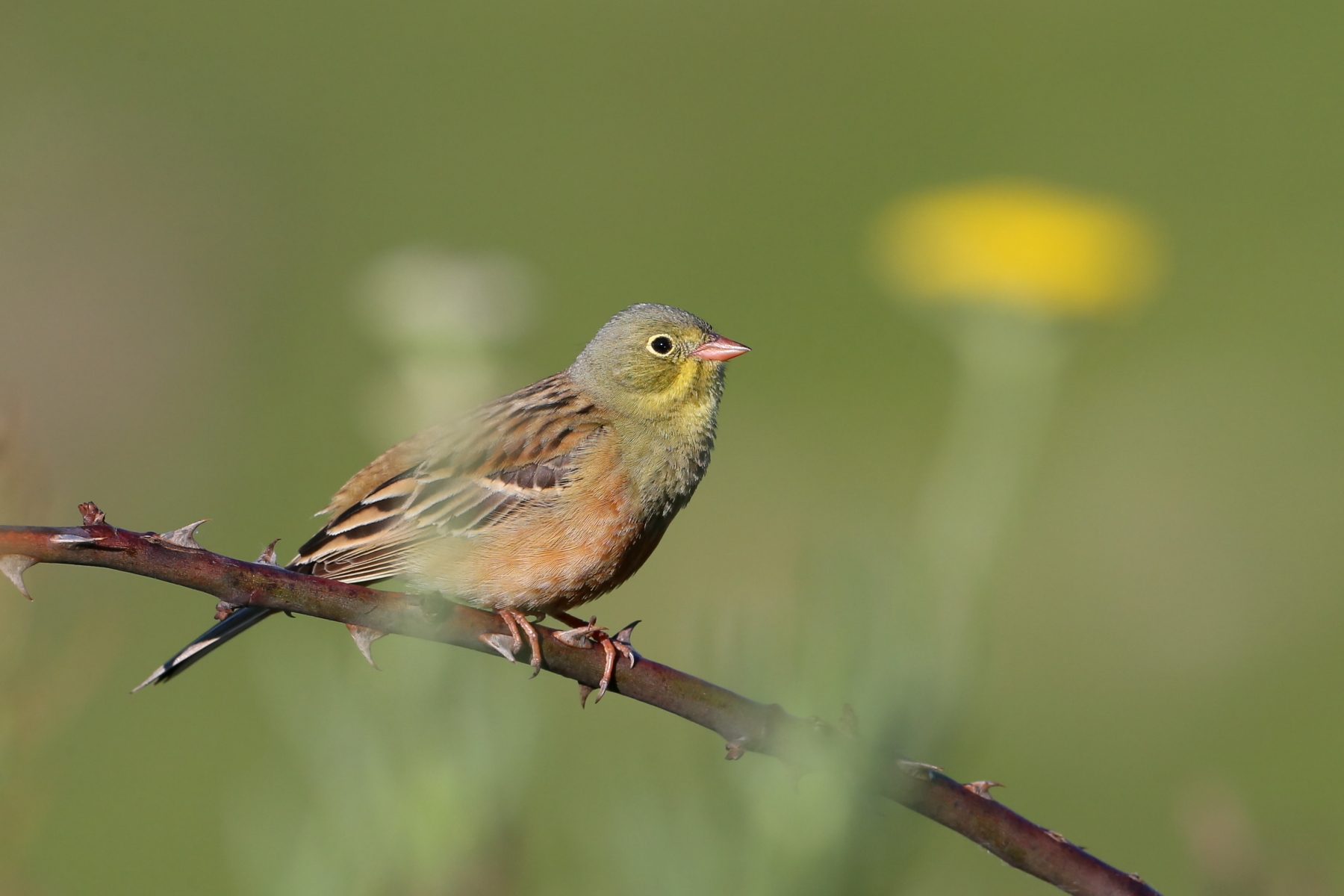
In the afternoon we can try steppe species like Calandra Lark, Short-toed Lark, Stone Curlew, Lesser Grey Shrike, Black-headed Bunting and Pied Wheatear.
Day 8. After an early morning photography session we will return to Bucharest where the tour will end.
For more information (about the boat, hides, comfort, hide technical information’s, available bird species) visit our hides menu item or our Danube Delta Blog for the past year reports.
New
Carpathian Brown Bear Photography Extension
Post Danube Delta short photo break to capture wild Brown Bears from our special photo hides. The Carpathian Mountains holds Europe biggest Brown Bear population and during the Spring/Summer period this lovely animals usually present in front of our hides daily! This trip would only add 2 extra days on your photography tour.