
Tour information
TOP TARGETS:
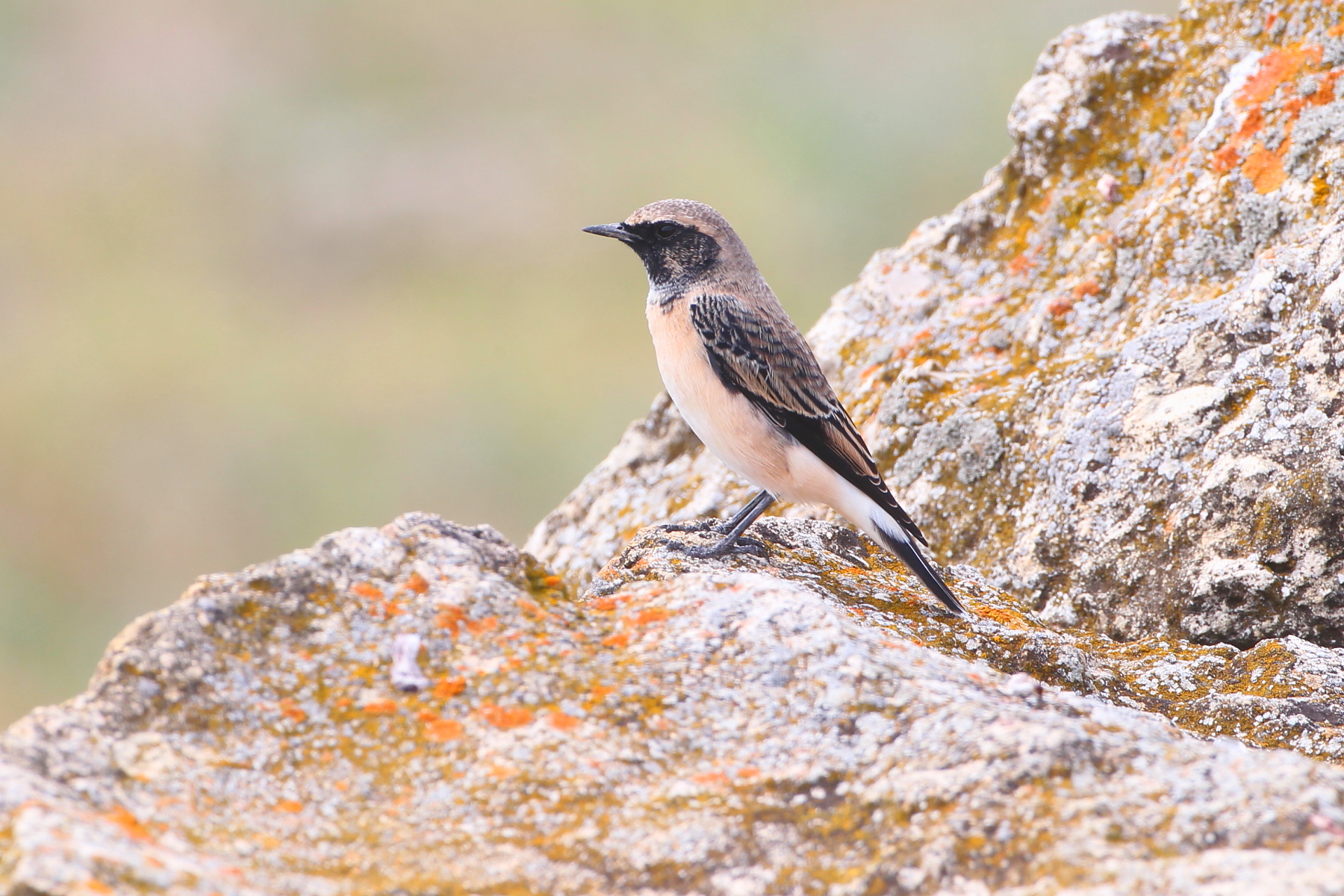
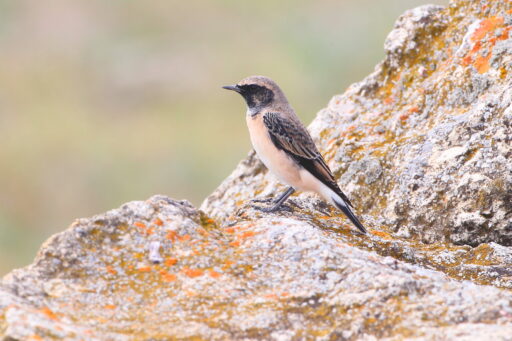
1) Pied Wheatear
2) Pallas’s Gull
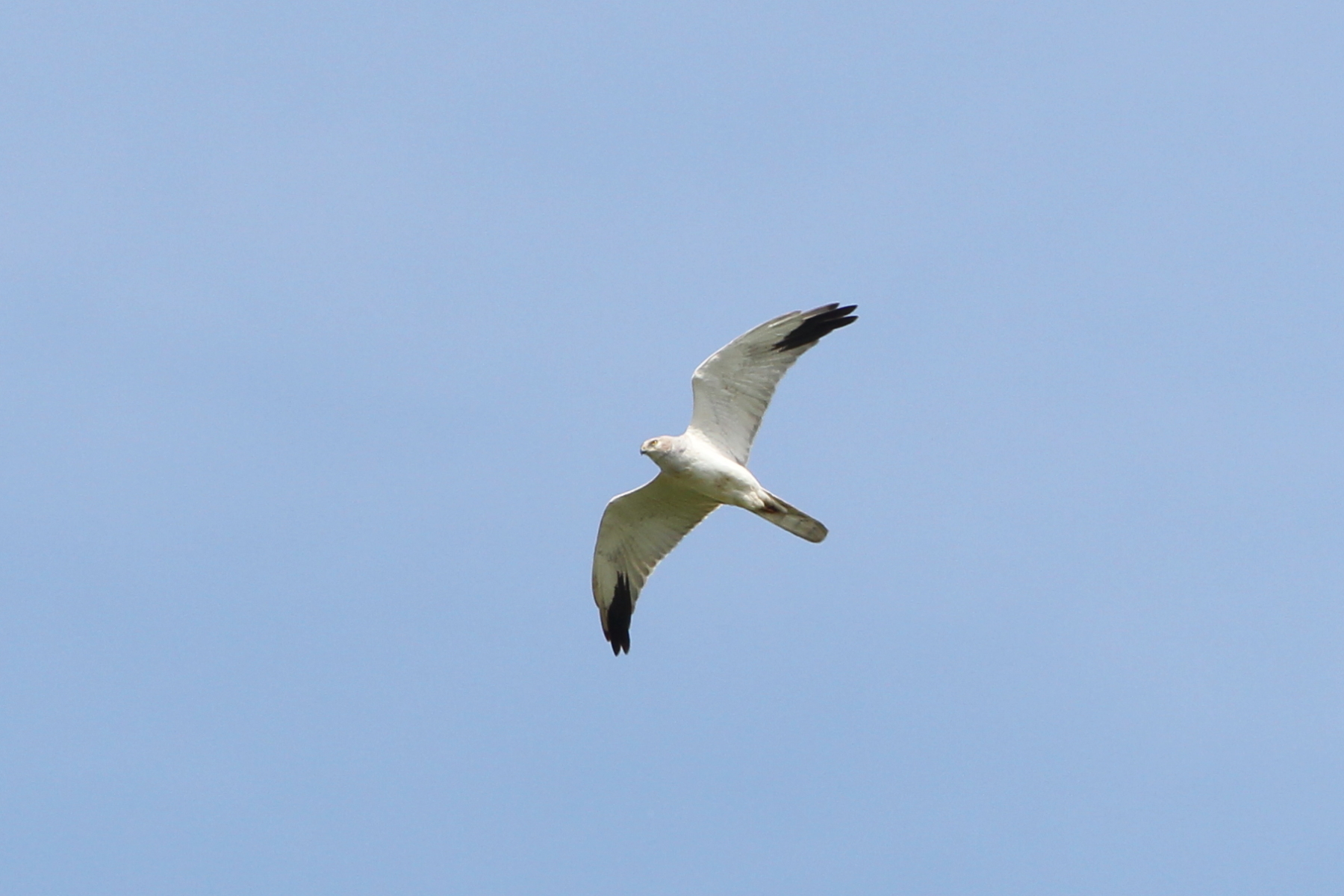
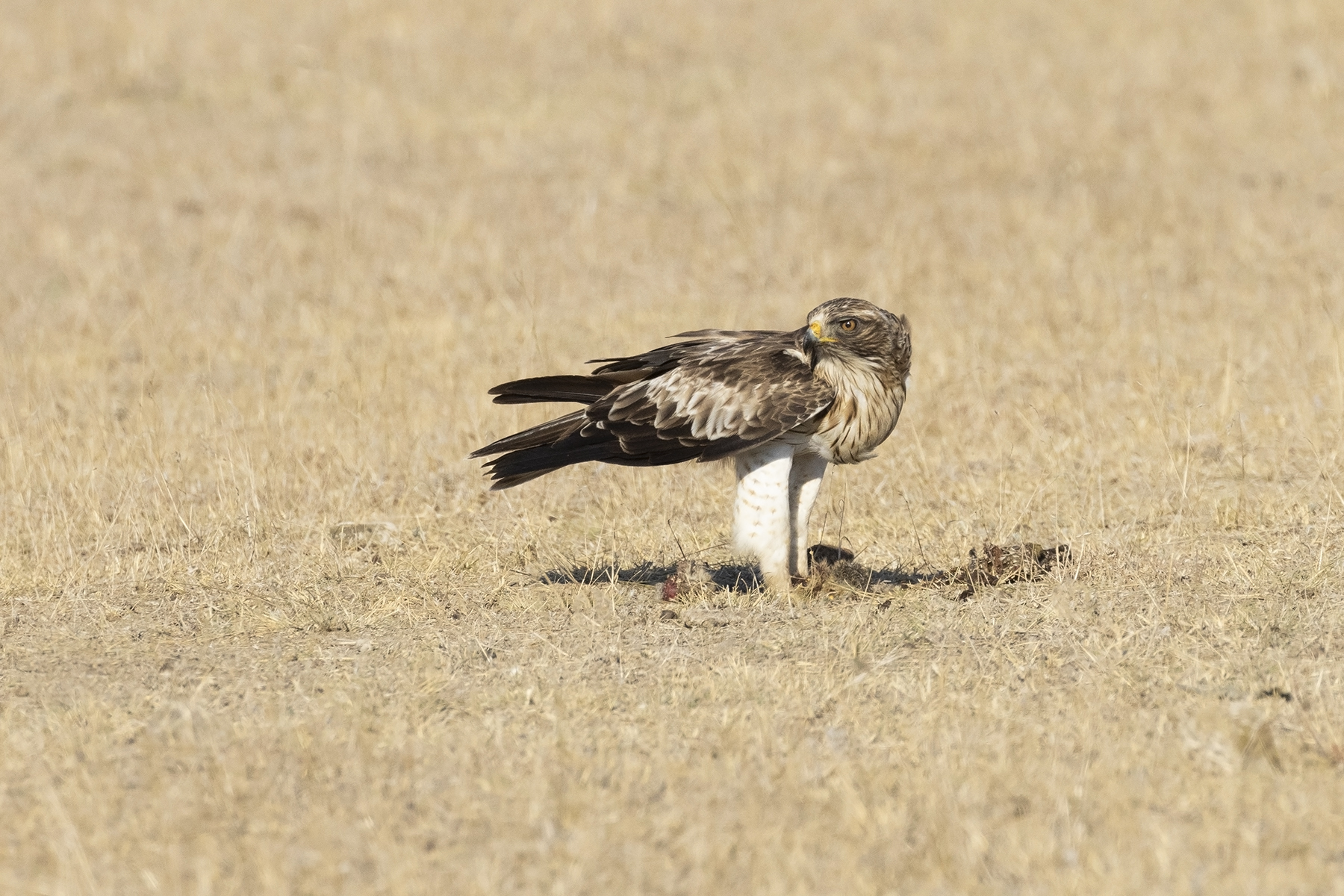
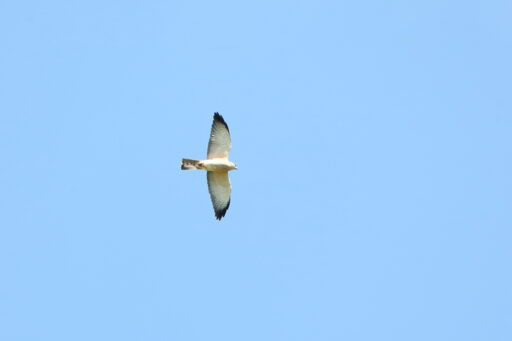
3) Levant Sparrowhawk
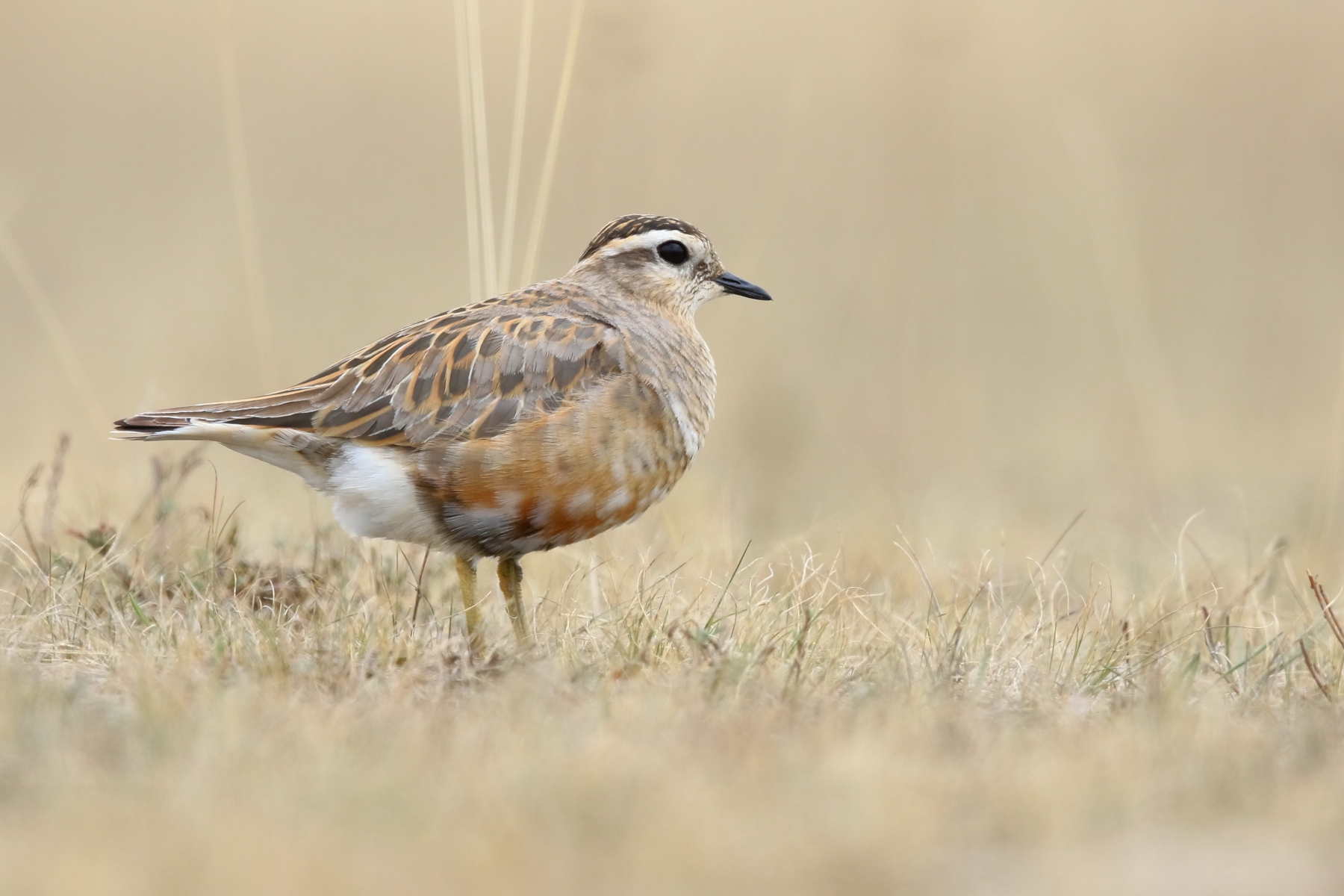
4) Eurasian Dotterel
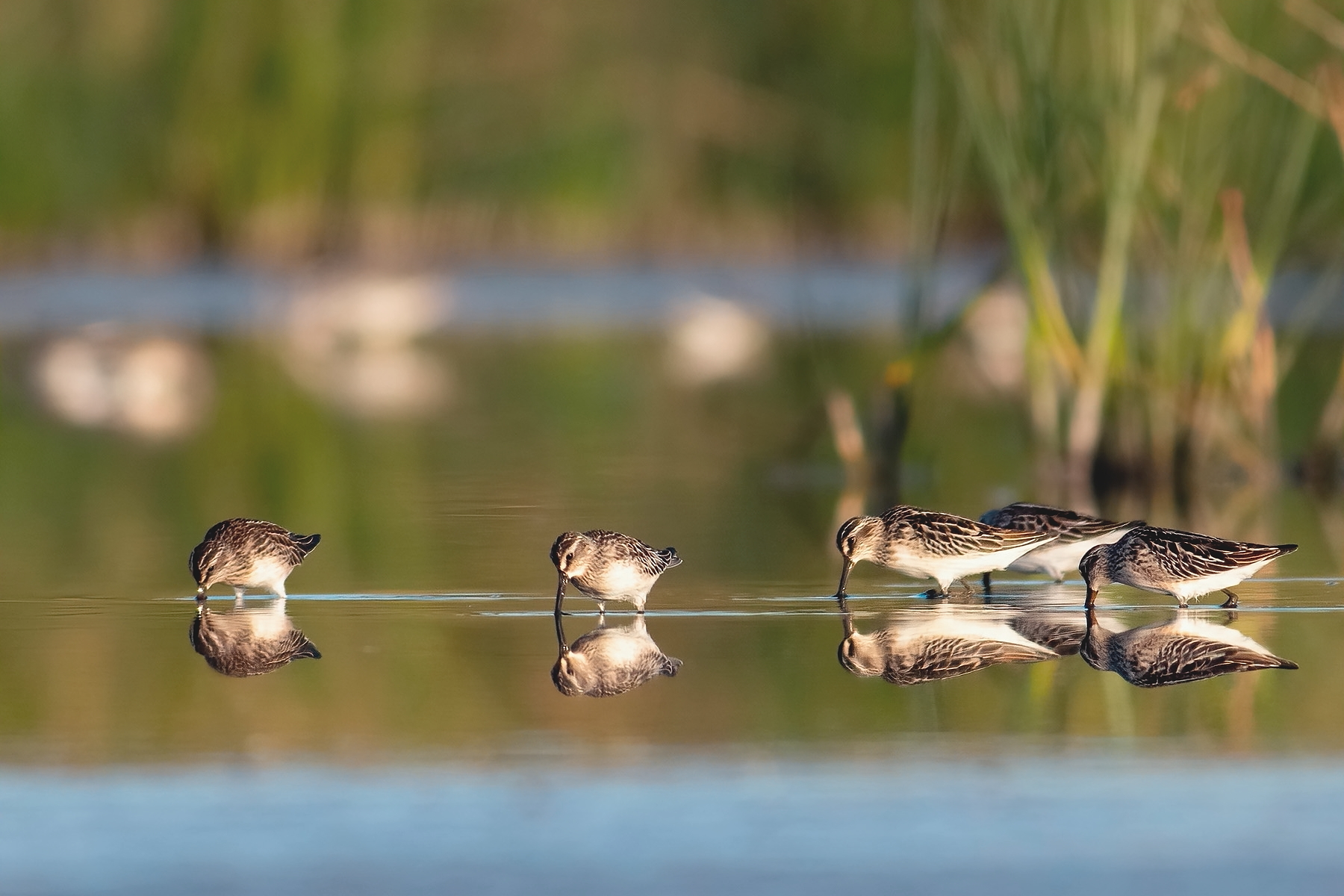
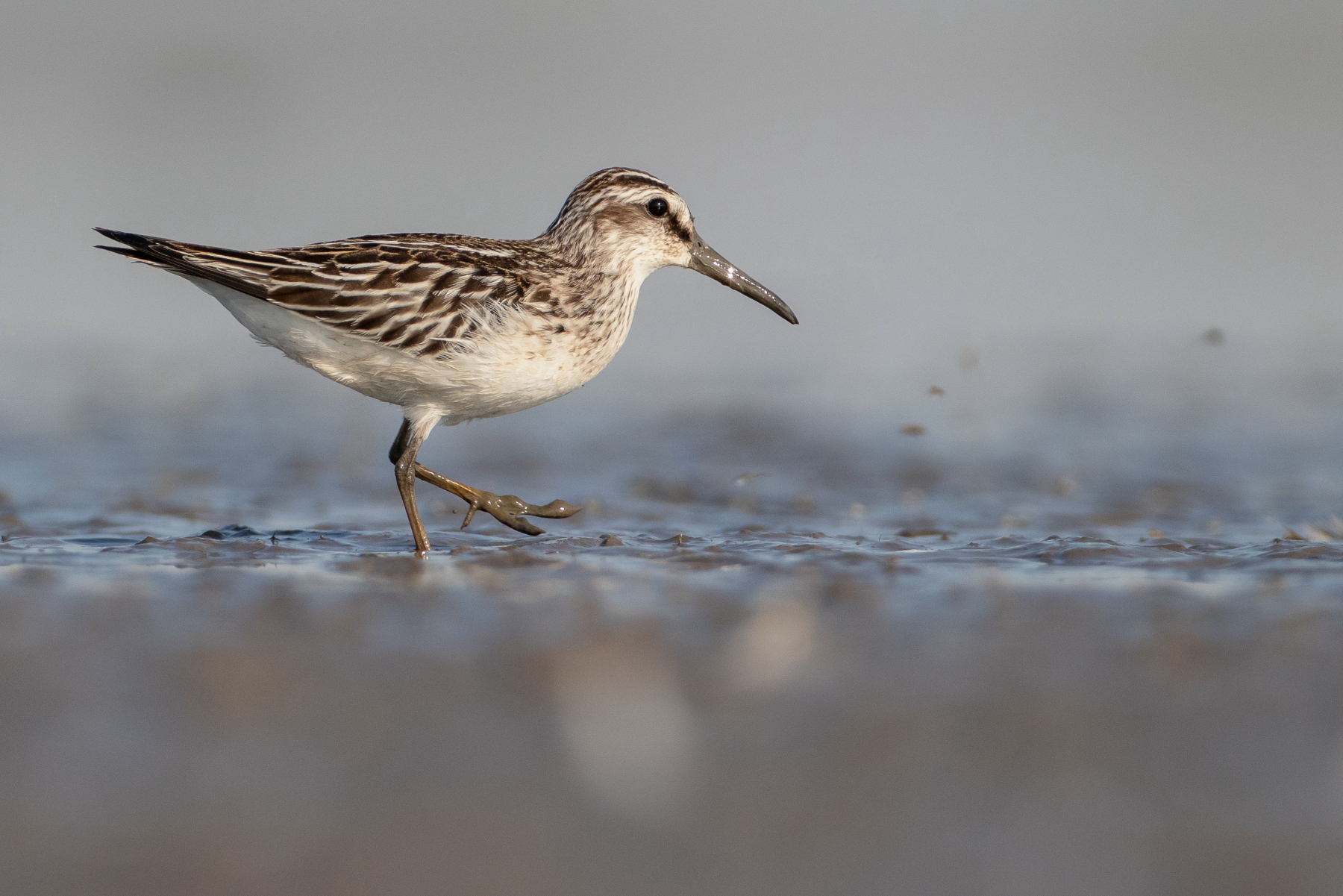
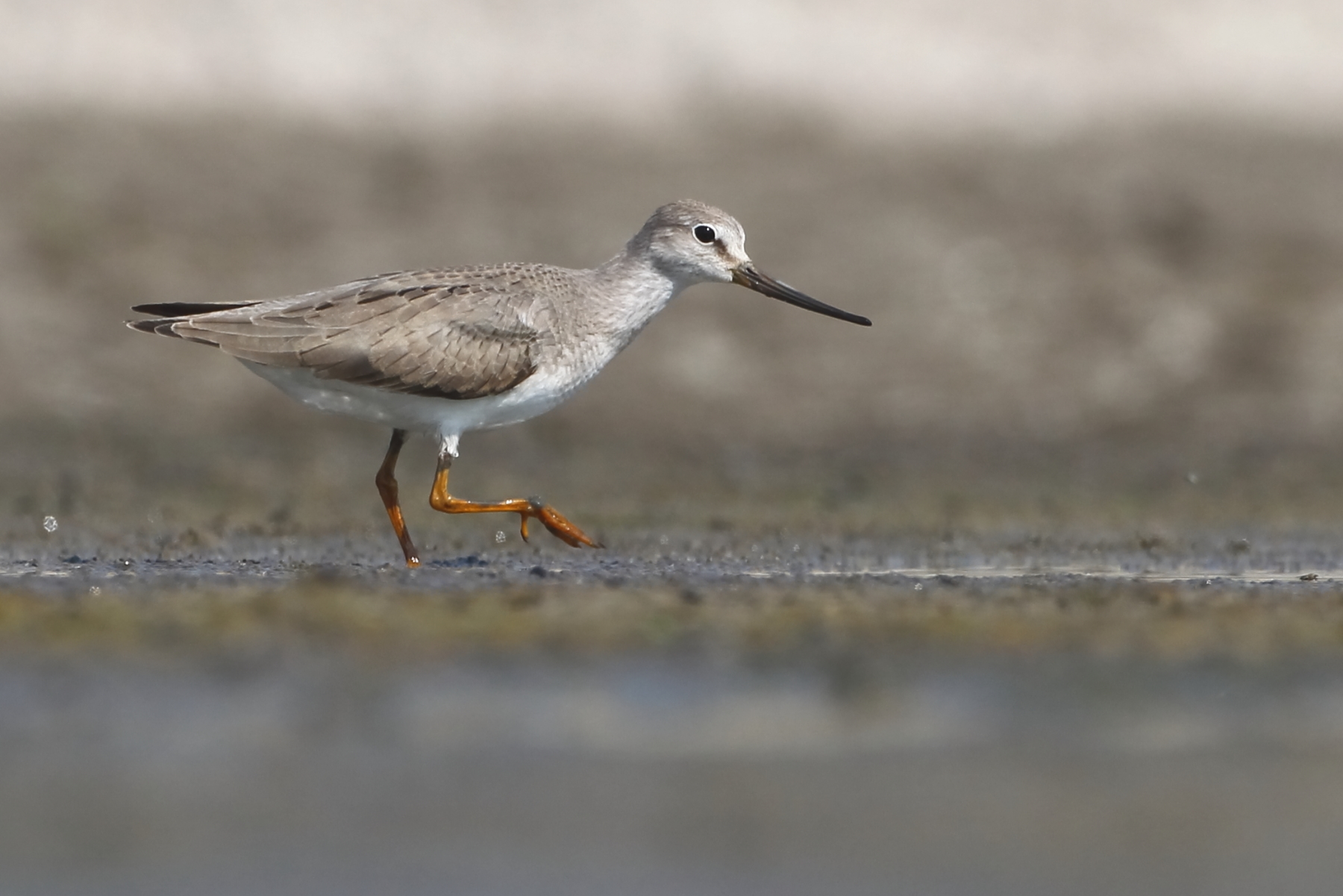
5) Broad-billed Sandpiper
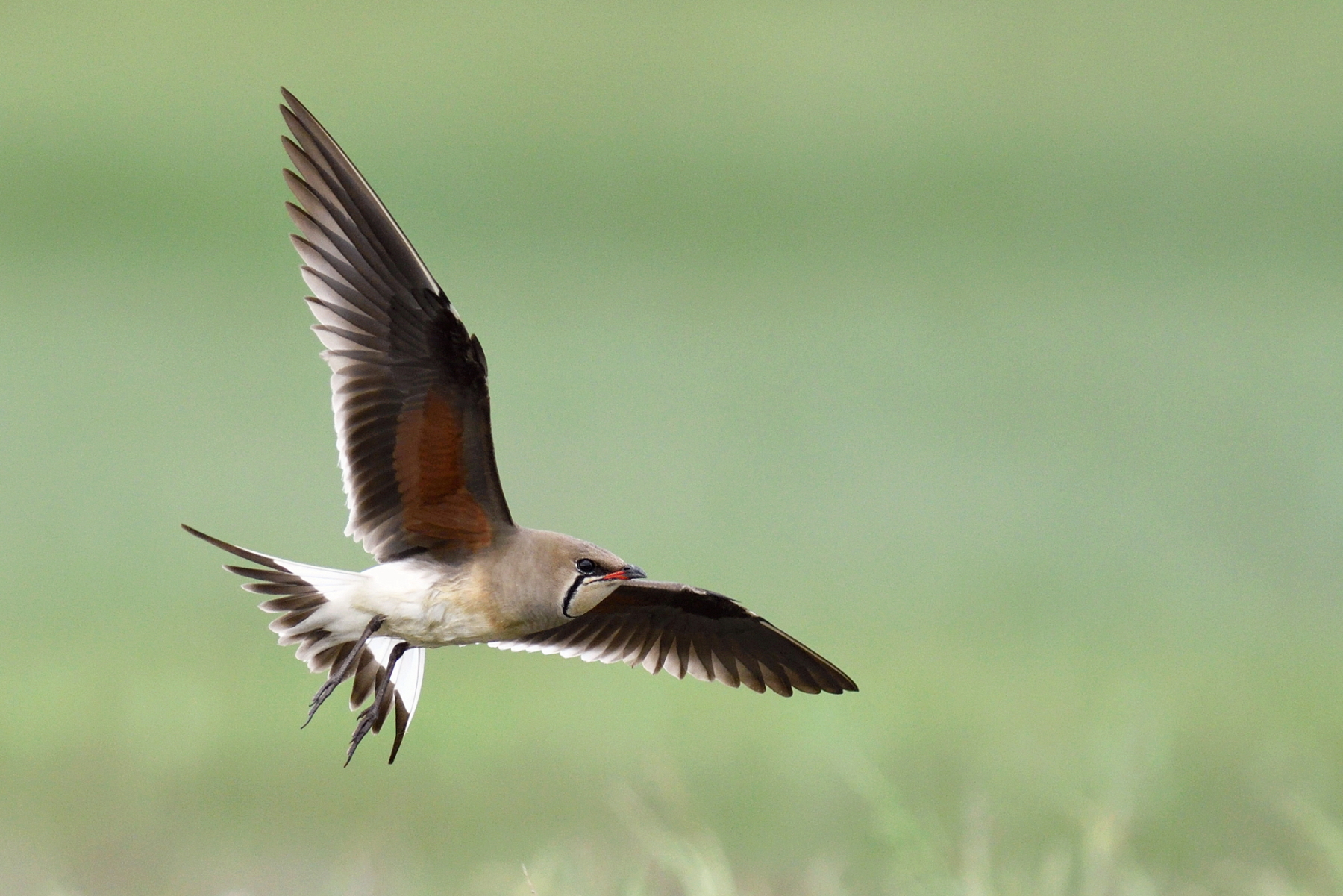
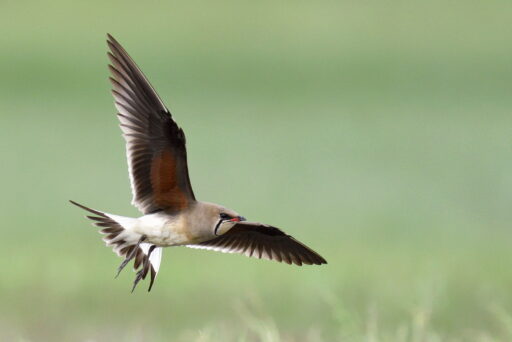
6) Collared Pratincole
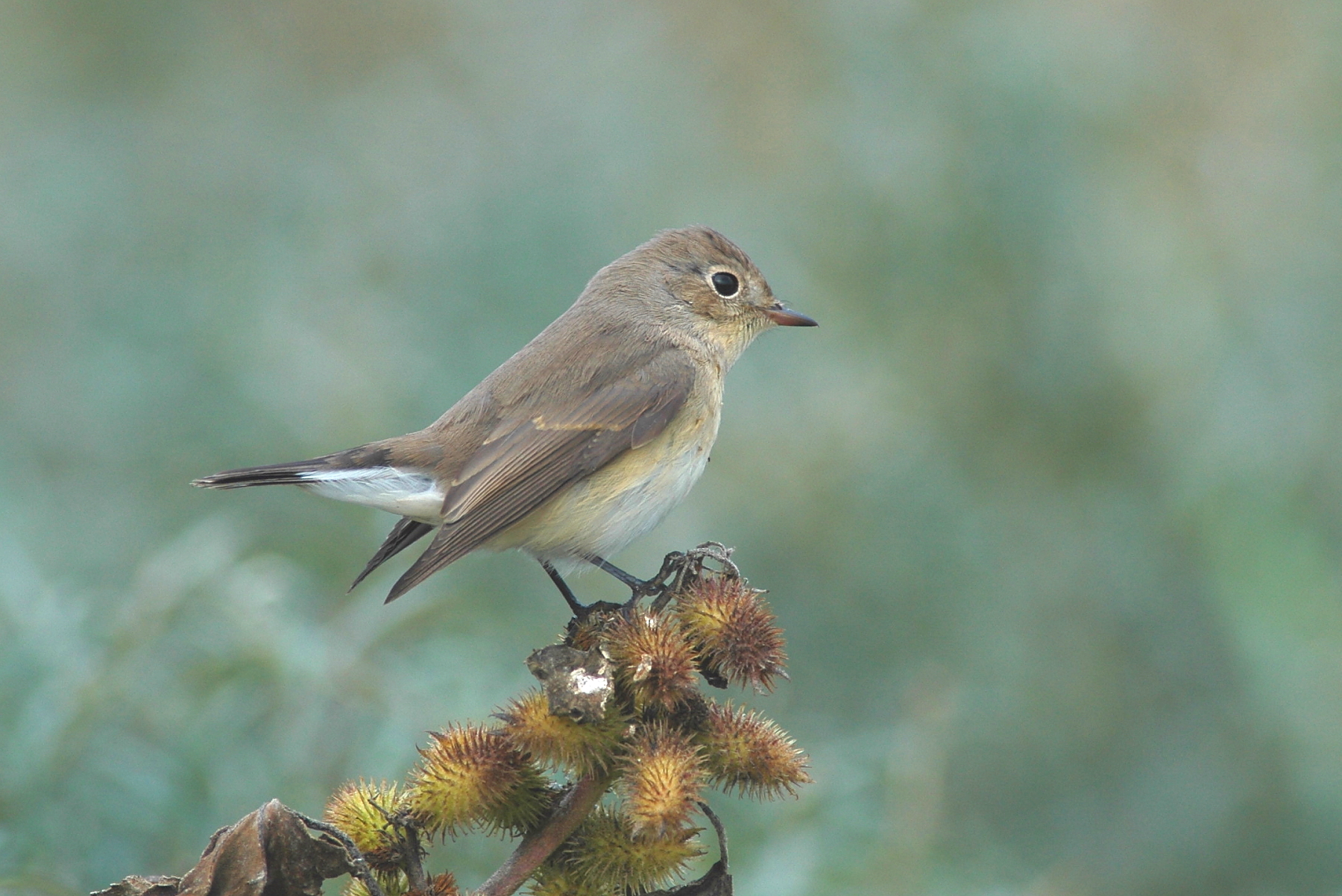
7) Red-breasted Flycatcher
8) Little Crake
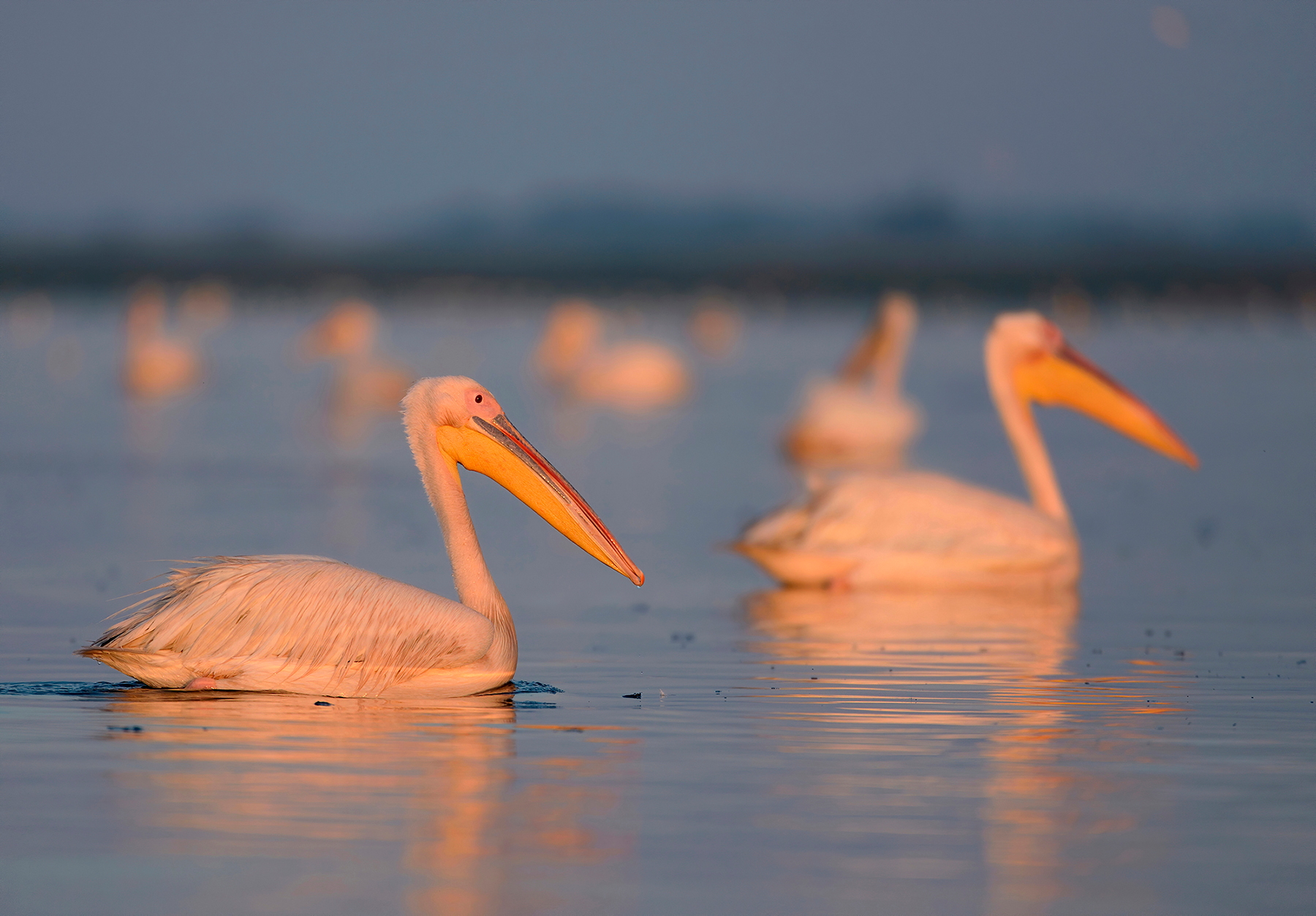
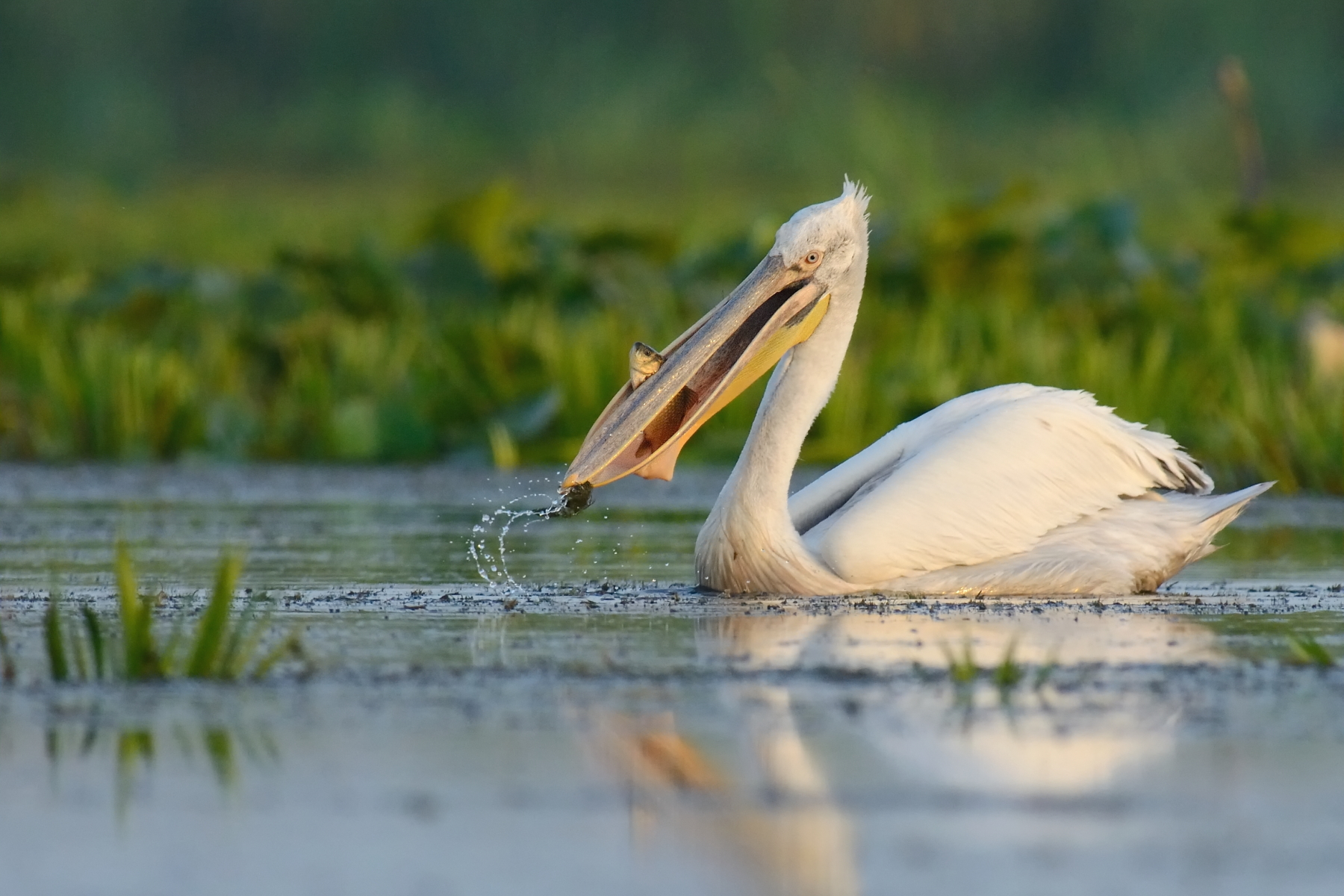
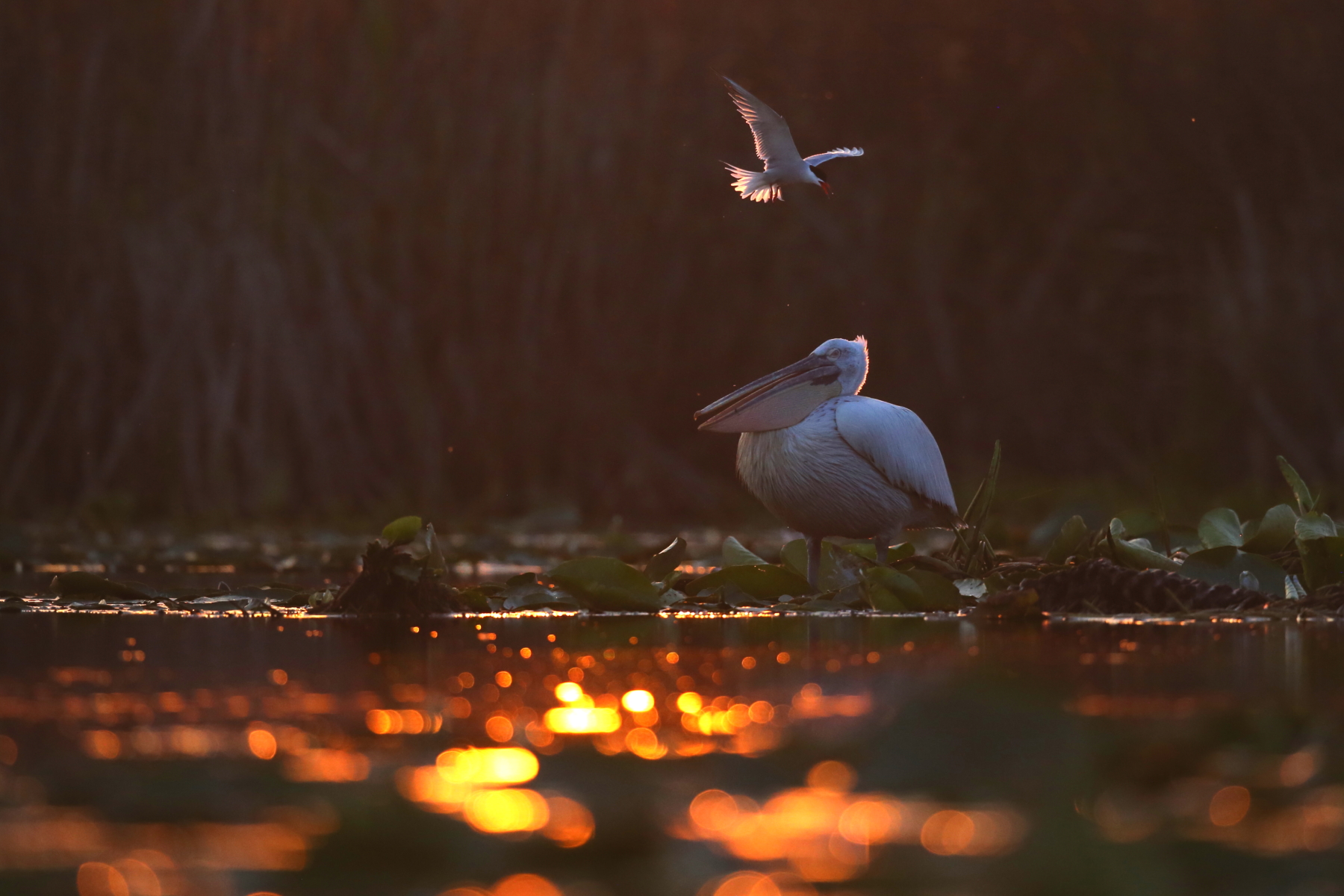
9) Dalmatian Pelican
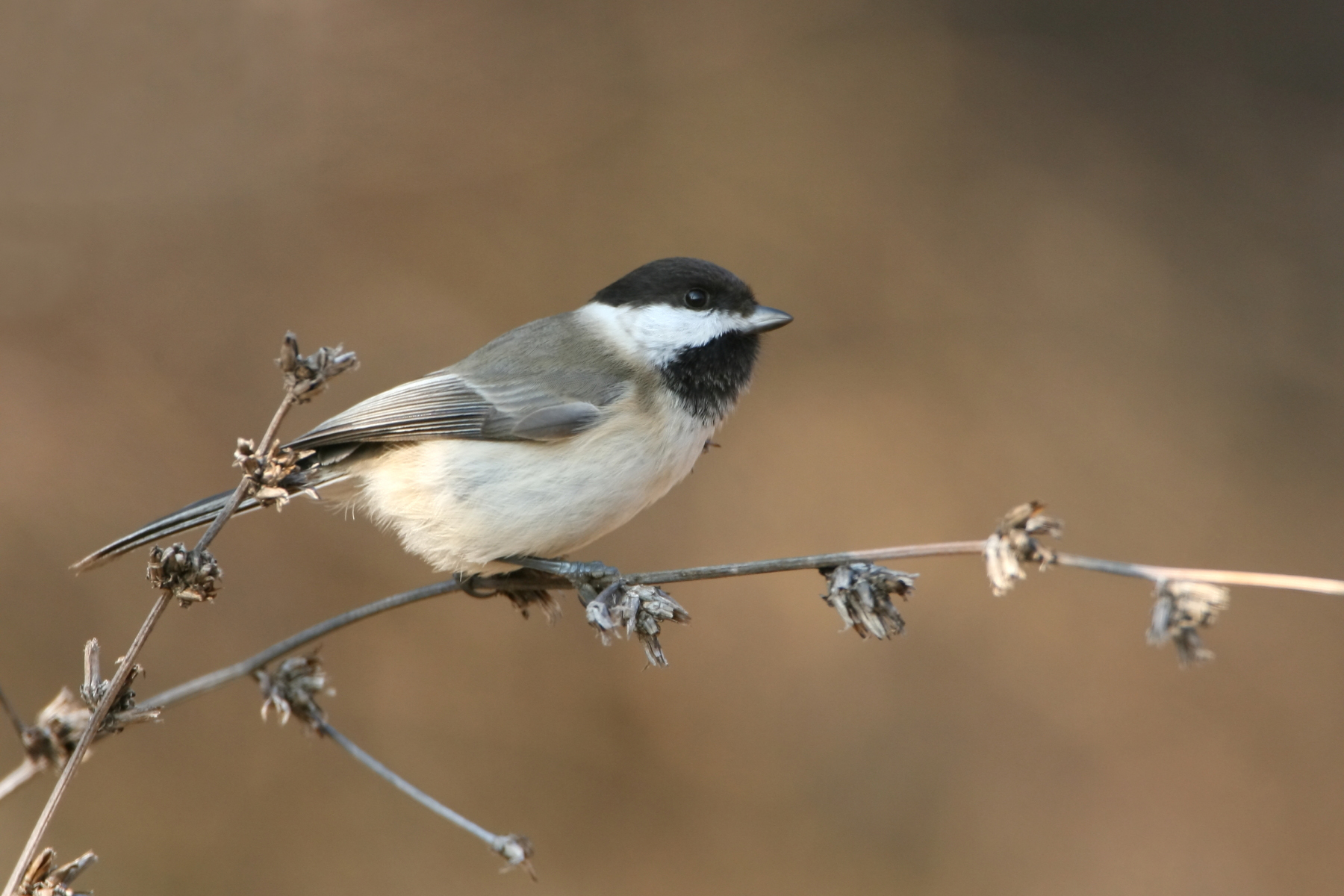
10) Sombre Tit
Tour starting and ending time: It is important to book your flight according to the official starting and ending times of the tour! Our bus and guide will be waiting all participants in the Otopeni Airport at Bucharest. Please make sure you can reach the starting point in time at 14:00 on the tour starting date! If you wish to arrive earlier to Bucharest our office can help you to book accommodation and logistics. However if you arrive early you need to make your way to the airport for the meeting time. In some cases we can pick up clients from the nearby airport hotels (please check with our office). Also very important that the tour only ends at 15:00 on the last day so please do not book flights out of Bucharest earlier than 19:00 on the last day!
The tour: Seven day holiday to south-eastern Romania, focusing on the spectacular autumn migration of waterbirds, raptors and passerines. Apart from the migrants some special breeding and resident birds of the region are still available at this time of the year.
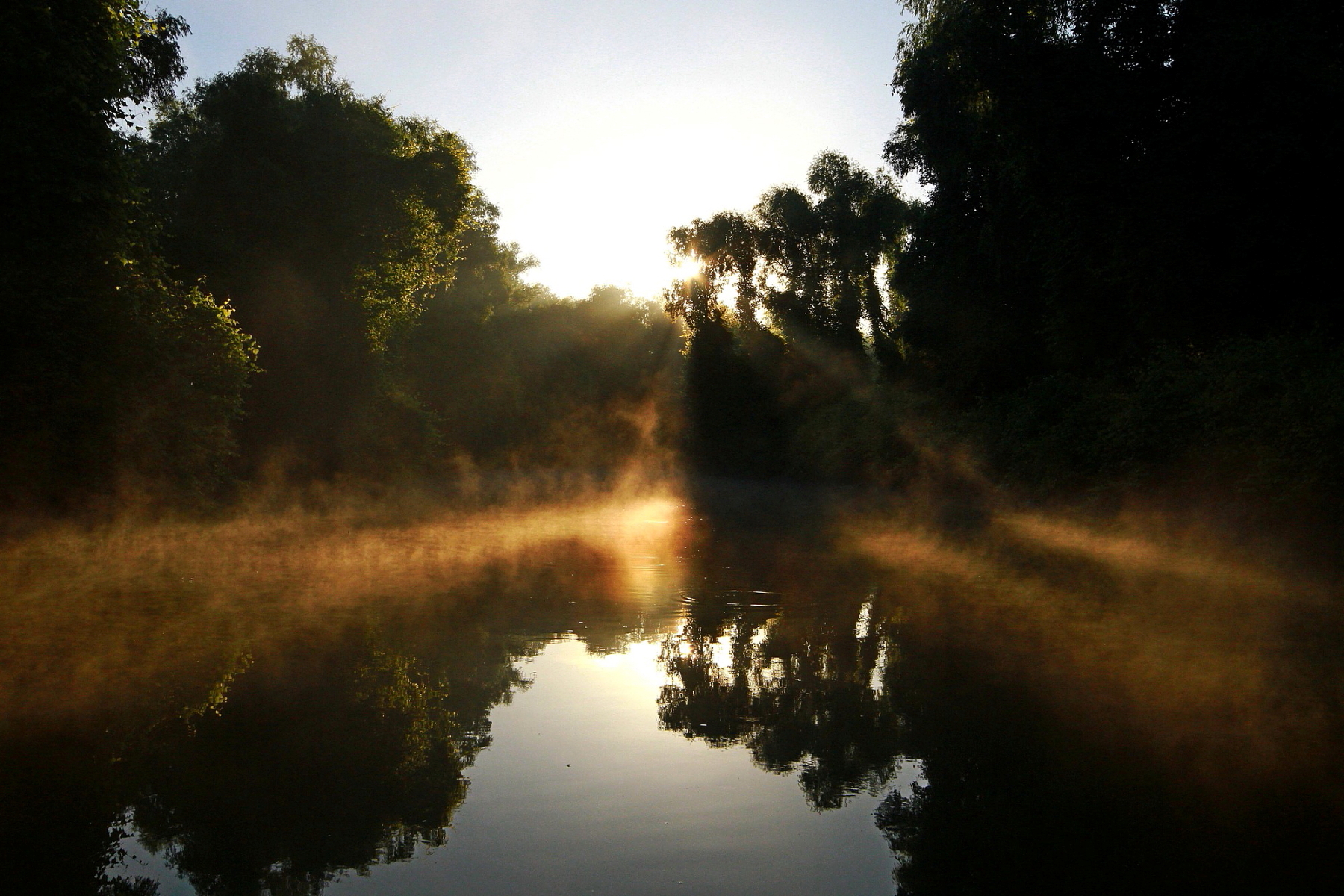
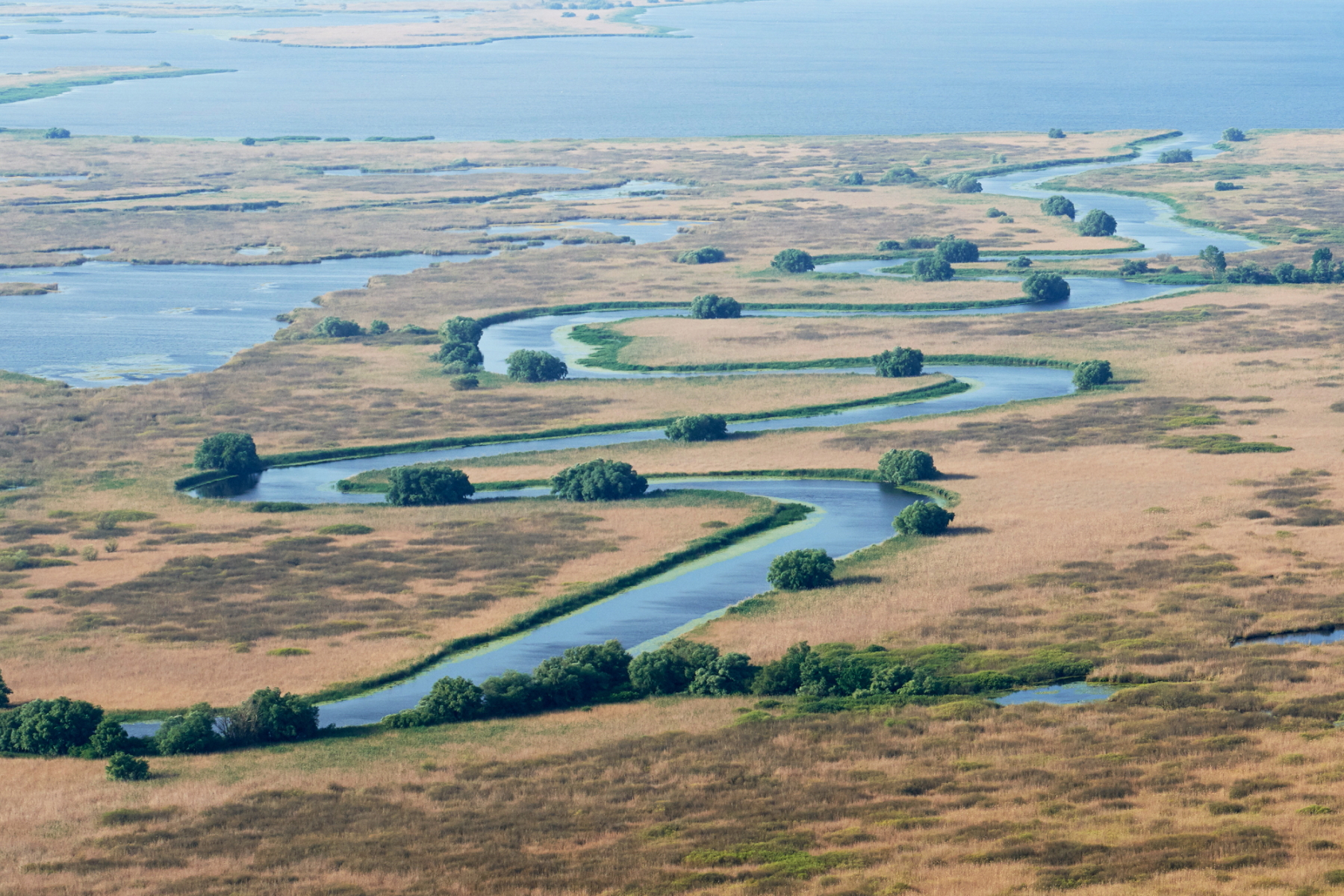
Locations to be visited: Our first base will be in the Constanta area nearby the Black Sea (3 nts) and we will discover the bird rich Sinoe lagoon complex and some steppe habitats from here. Then we will continue to the Danube Delta, where our base will be near Mila 23 fishing village (1 nt). In the Delta we will visit the various small channels and lakes around Mila 23. The last two days will be spent in the Macin National Park and on the Baragan Plain (2 nts).
Group Size: The tour is guaranteed departure from 3 participants upwards with a maximum group size of 10 participants plus Sakertour leader.
Accommodation: Comfortable 3-4 star hotels with all rooms en suite. In the Black Sea coast we use a nice 4 star rural accommodation. In the Danube Delta our base for two nights will be near Mila 23 fishing village. In Macin we will be based in a new very comfortable hotel while near Balta Albe we use a medium grade Hotel for one night.
Meals: All included in the price. The food is good. Breakfast and dinner at the hotels. Lunches will either be taken at a traditional place or as picnics in the field. We supply bottled water throughout the day.
Walking: Easy walks over flat terrain. Sturdy waterproof walking shoes advised.
Travel: Bucharest to Bucharest. Ground transport with automobile or minibus, depending on the number of participants. In the Danube Delta we use small or medium size boats depending on the number of participants.
Expected bird list: 170-190 species
Price and Date
| Tour date: | August 25 ‒ August 31, 2024 |
Guaranteed departure | |
| Price from: | 1650 €/person |
| Deposit: | 400 €/person |
| Single room suplement: | 210 €/person |
| Availability: | 5 places available |
|
BookingGuaranteed departure
|
|
Booking deposit: As soon as you fill out a booking form we will send you a deposit invoice and information of the final payment.
Cost includes: All accommodation, all meals, all transport by car/coach/minibus Bucharest/Bucharest, entrance fees to national parks, bird checklist and services of the leaders and local guides.
Cost excludes: Air ticket, insurance, drinks & other items of a personal nature.
Detailed Itinerary
Day 1. After arrival in Bucharest we will need three hours to reach the Black Sea coast, where our accommodation lies in a rural village close to the most important wetland sites. If time permits we will visit the closest birding destinations near Sitorman where an abandoned rock quarry can hold such species like Isabelline and Pied Wheatear. Night near Constanta.
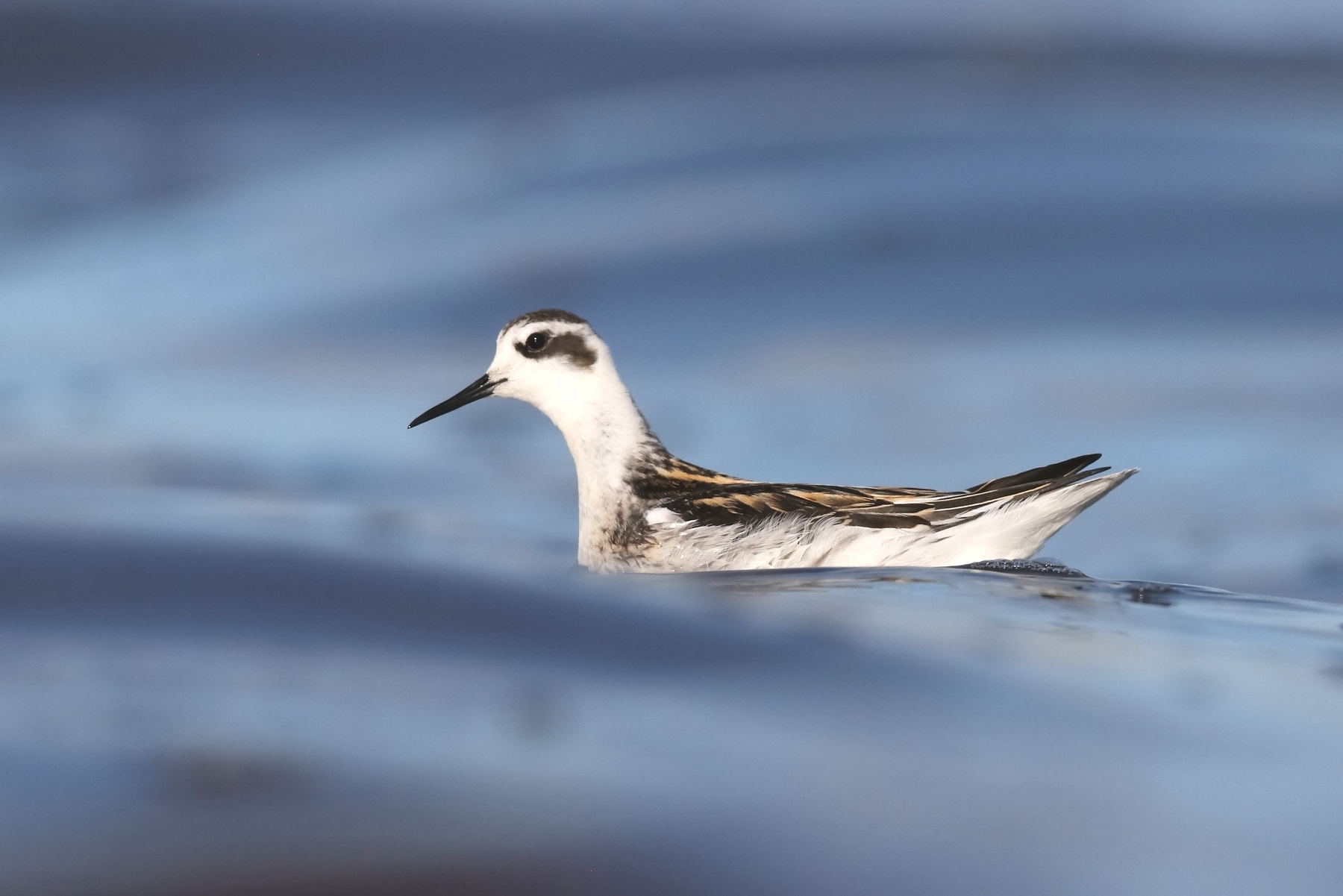
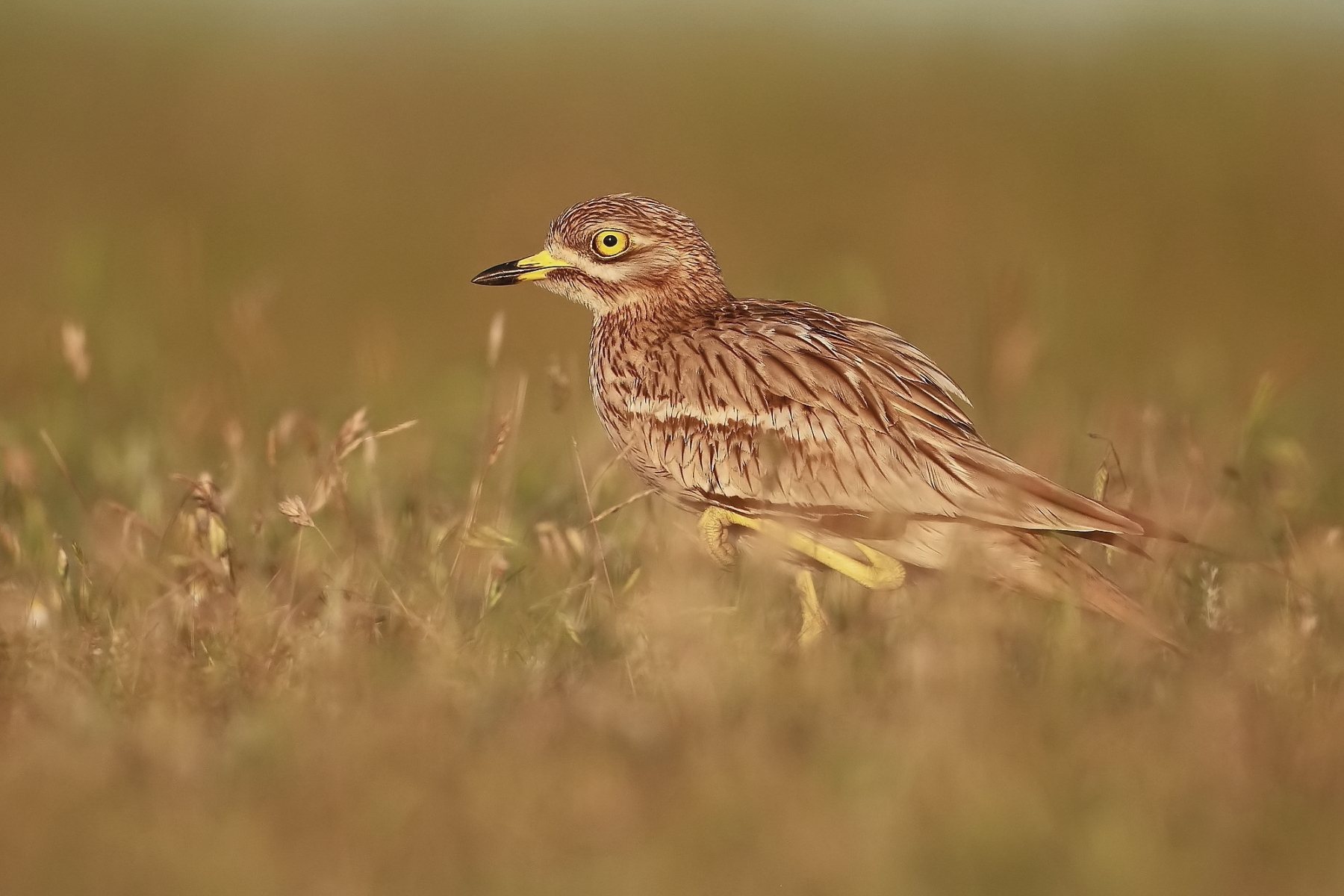
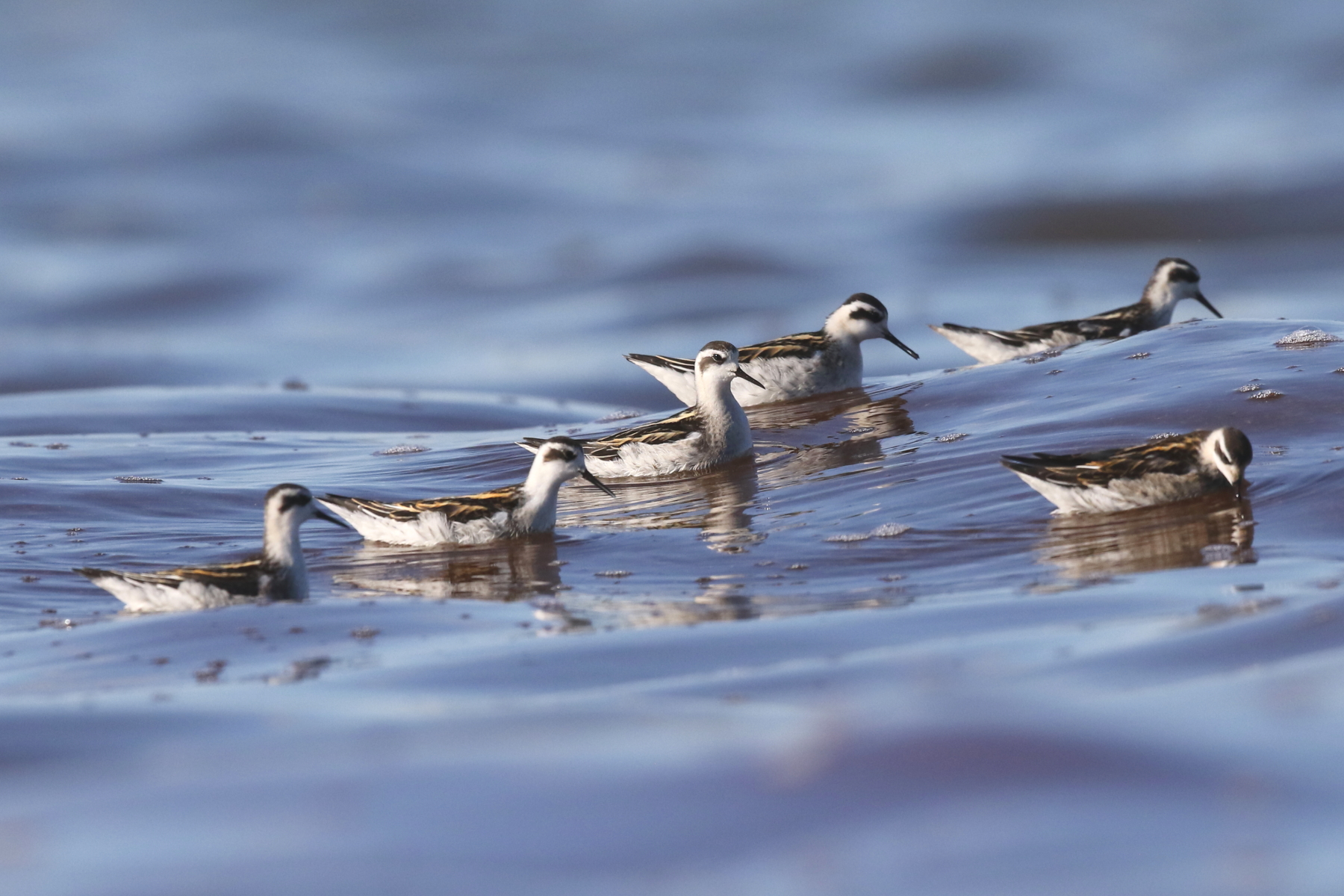
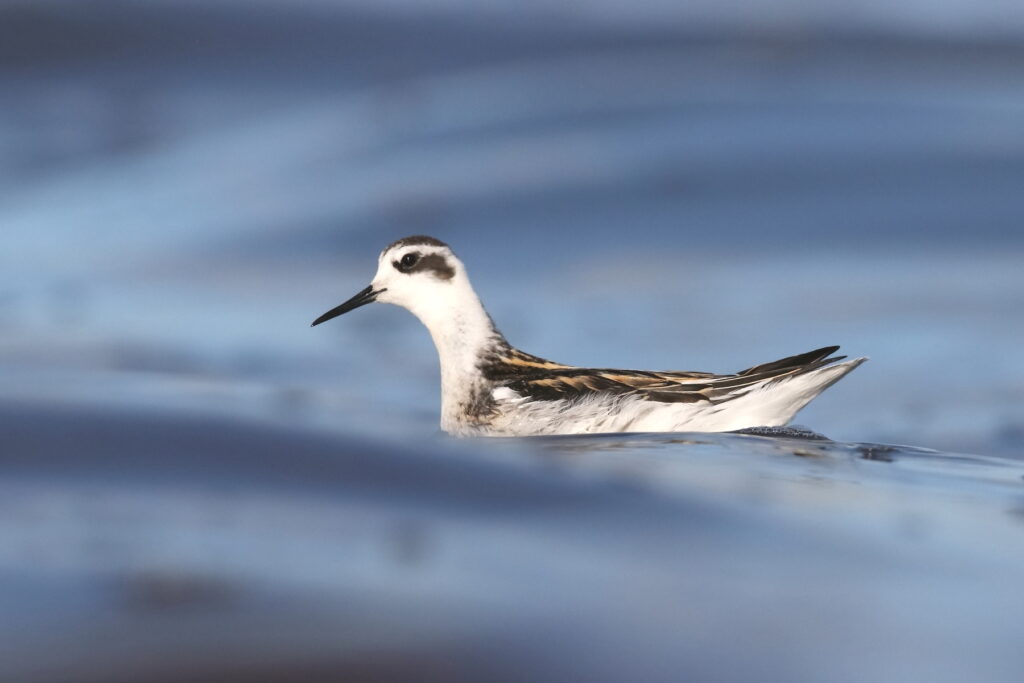
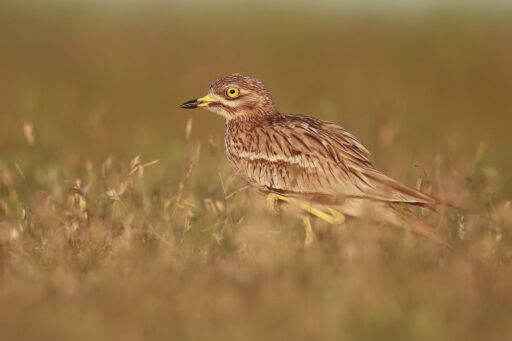
Day 2. We will start the day with an optional pre-breakfast birding around the hotel. After the breakfast we will visit the Vadu area where we hope to find places with shallow water which attract waterbirds like Caspian Tern, Collared Pratincole, Red-necked Phalaropes, Broad-billed Sandpiper, Marsh Sandpiper, Stone Curlew or even scarce passage migrants. In the afternoon we move further north to Histria, a famous site to look for the scarce and elusive Paddyfield Warbler, more Collared Pratincoles and passerines. It can sometimes be dry in autumn in these areas and therefore we might change our itinerary and visiting also lake Techirghiol in a bit south as well. Night near Constanta.
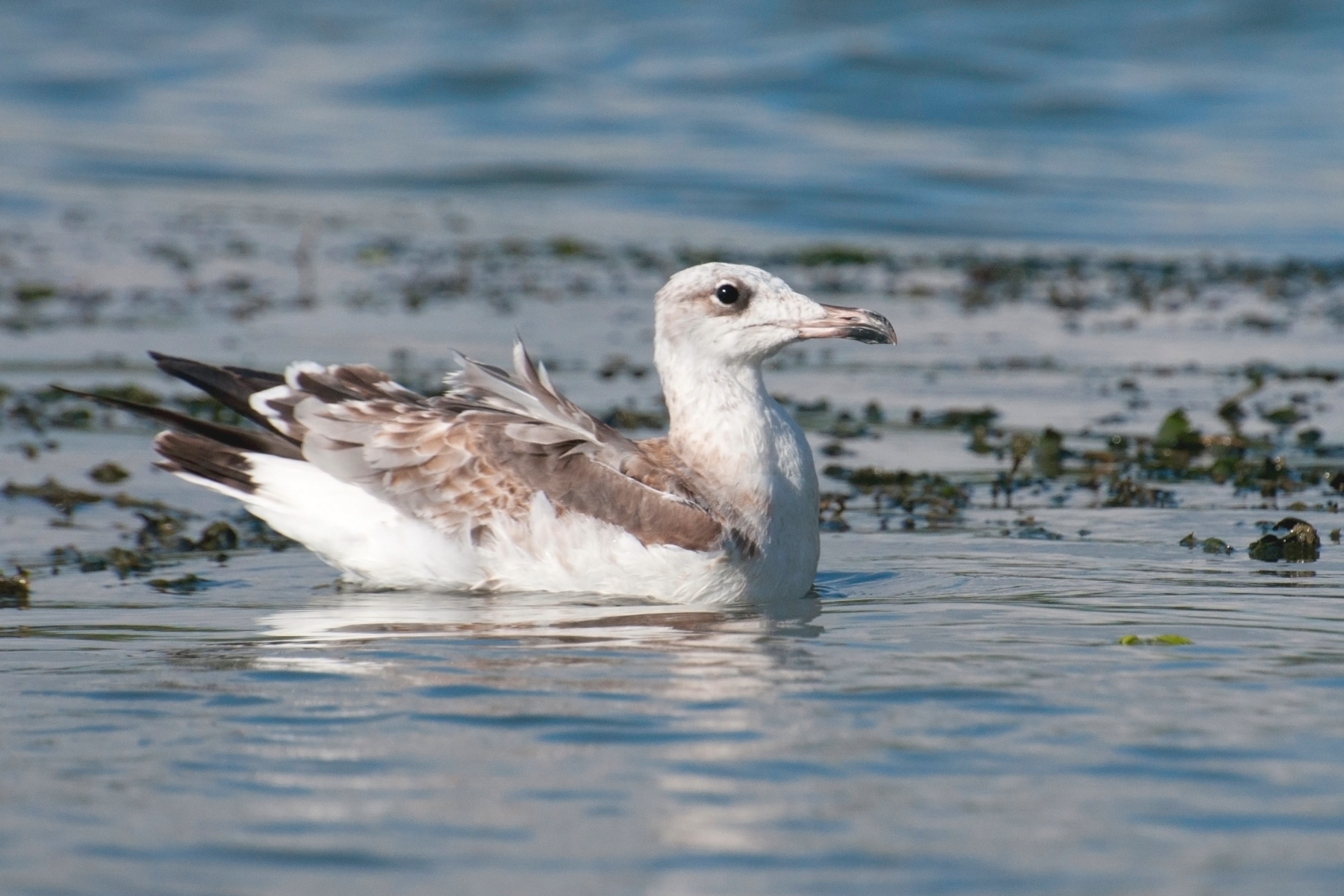
Day 3. After breakfast we will visit Grindul Lupilor / Wolf`s Peninsula wetland along the Sinoe lake. This is a superb site for waders, terns and pratincoles and promisable place to find the beautiful Pallas`s Gull!
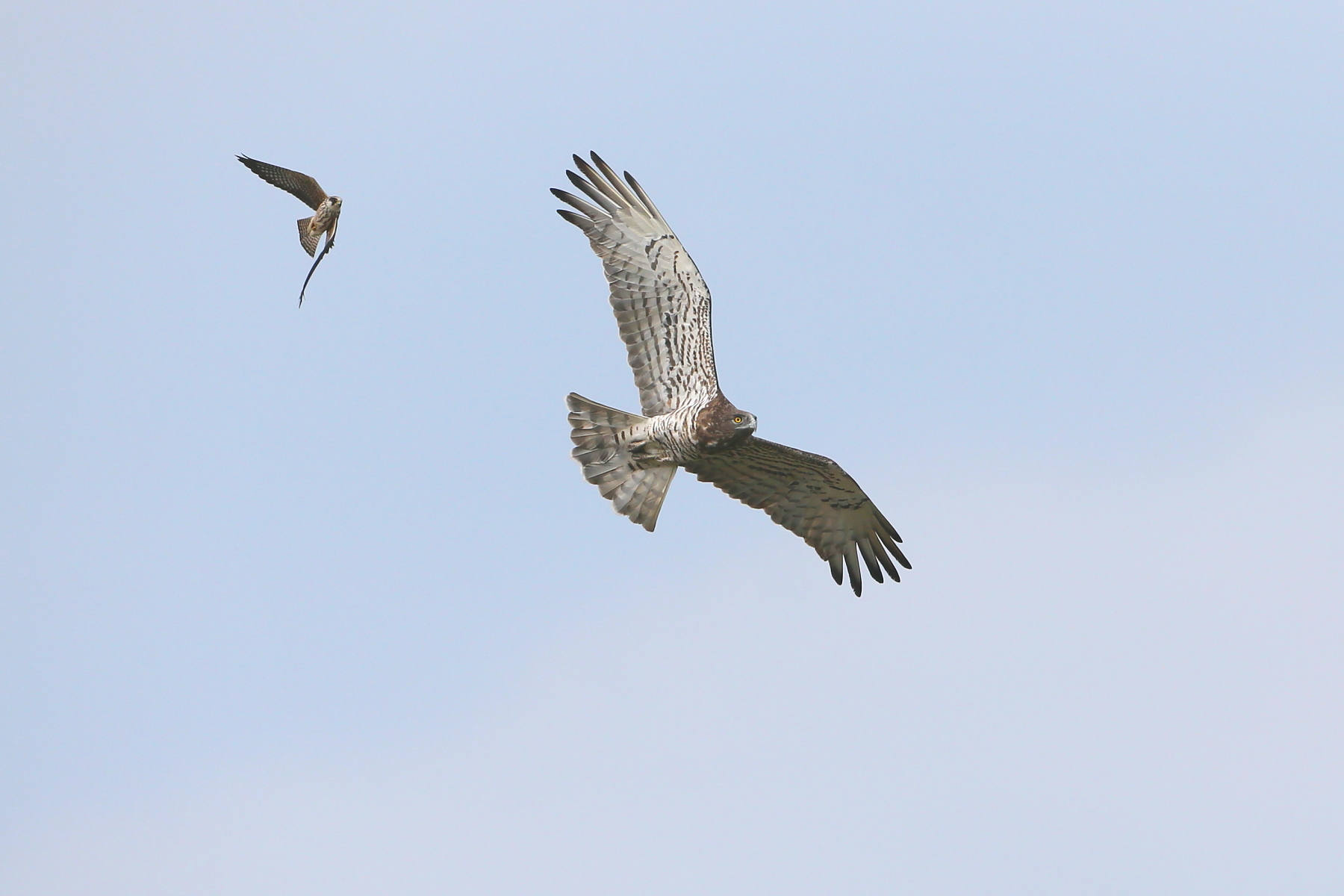
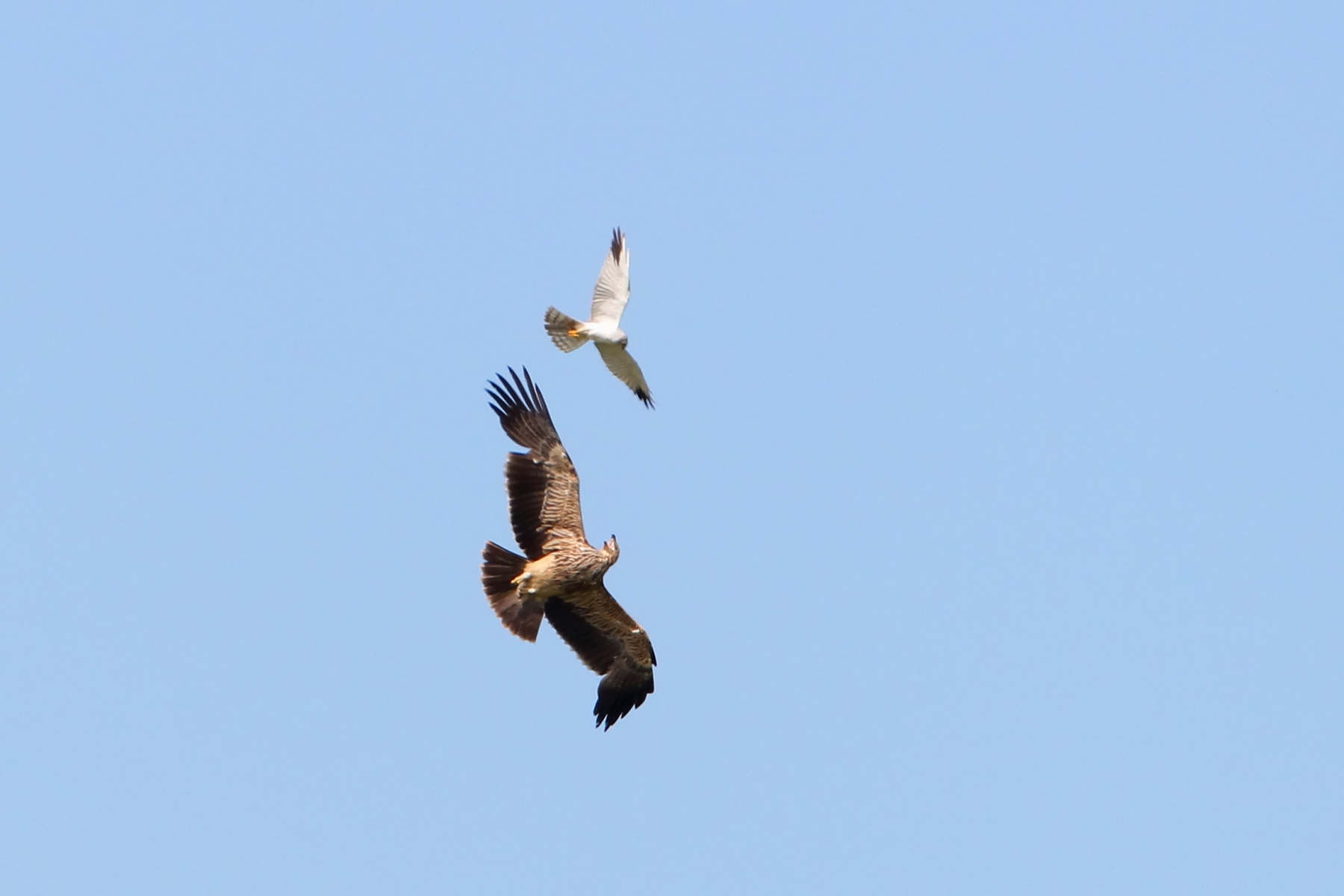
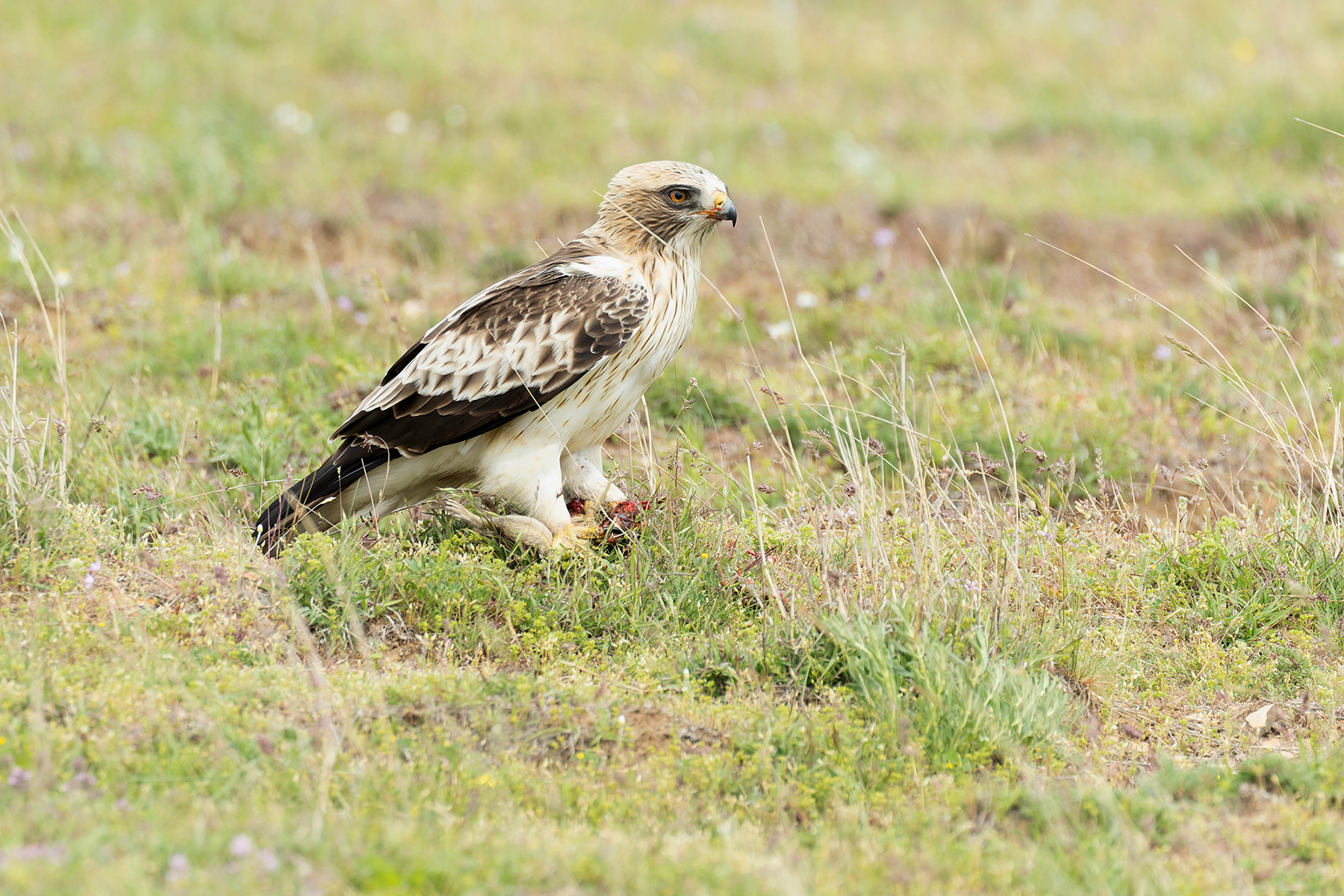
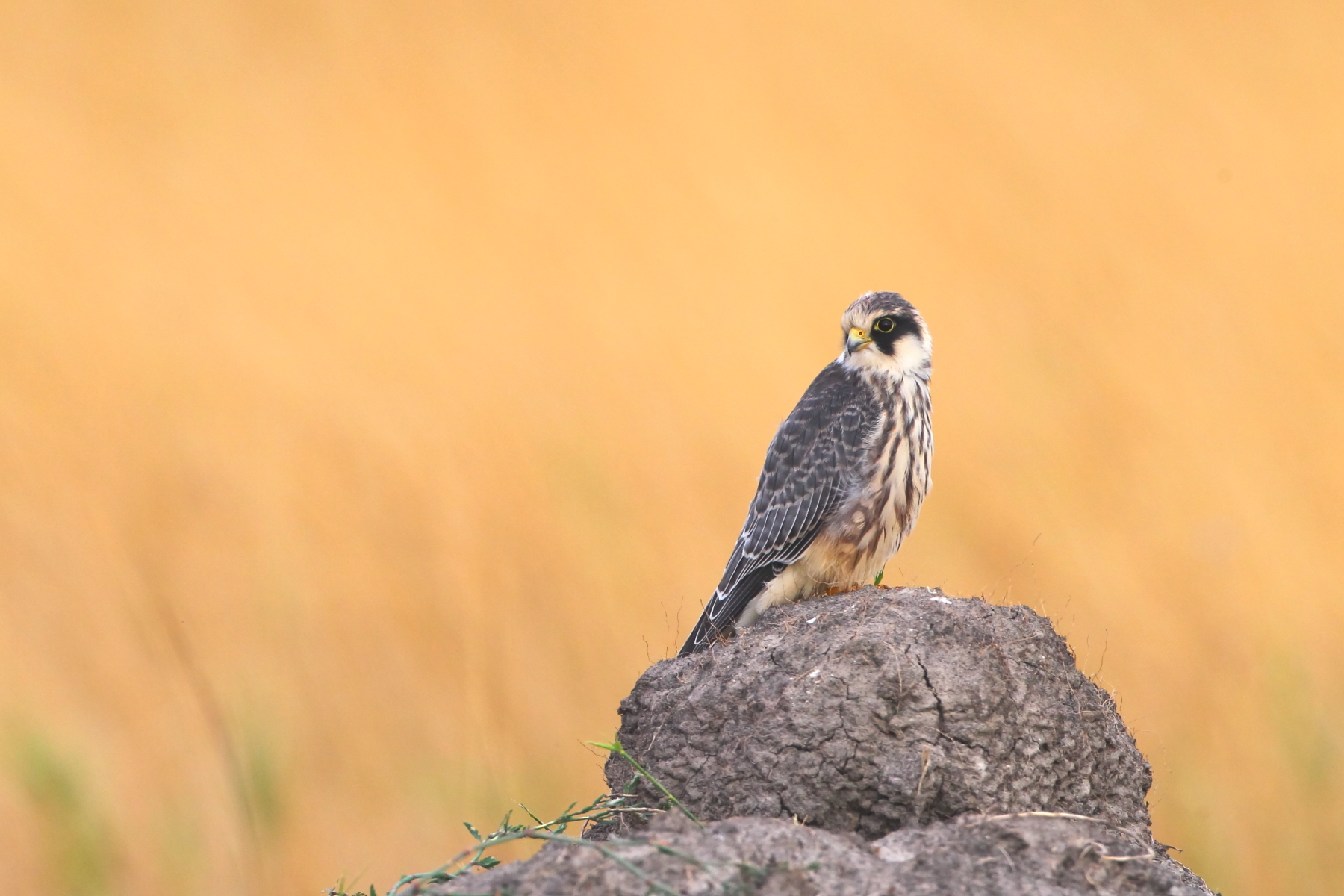
Lunch in the accommodation than in the afternoon we going to visit Sitorman rock quarry a reliable site for Pied, Isabelline Wheatears and passage raptors. Early September still good for Isabelline but most of the Pied Wheatears are gone and we need luck to find the last birds. These sites are brilliant for migrating diurnal raptors in the Autumn period and we should see hundreds pass over Dobrudja. Raptors such as Lesser Spotted Eagle, European Honey Buzzard, Marsh Harrier, Montagu`s Harrier, Booted Eagle, Short-toed Eagle, Red-footed Falcon or local breeders such as Long-legged Buzzard and Levant Sparrowhawk should turn up and even the scarce Saker Falcon can sometimes be seen. Night near Constanta.
Day 4. After the breakfast we will leave the lagoons behind and continue our journey to the north part of Dobrudja. We will soon reach Tulcea where we will board our boat and start to discover the delta itself and enjoy birding from our comfortable boat. We have more or less two days to experience a selection of the best birding locations along the Danube Delta’s Sulina arm. Night in the Danube Delta near Mila 23.
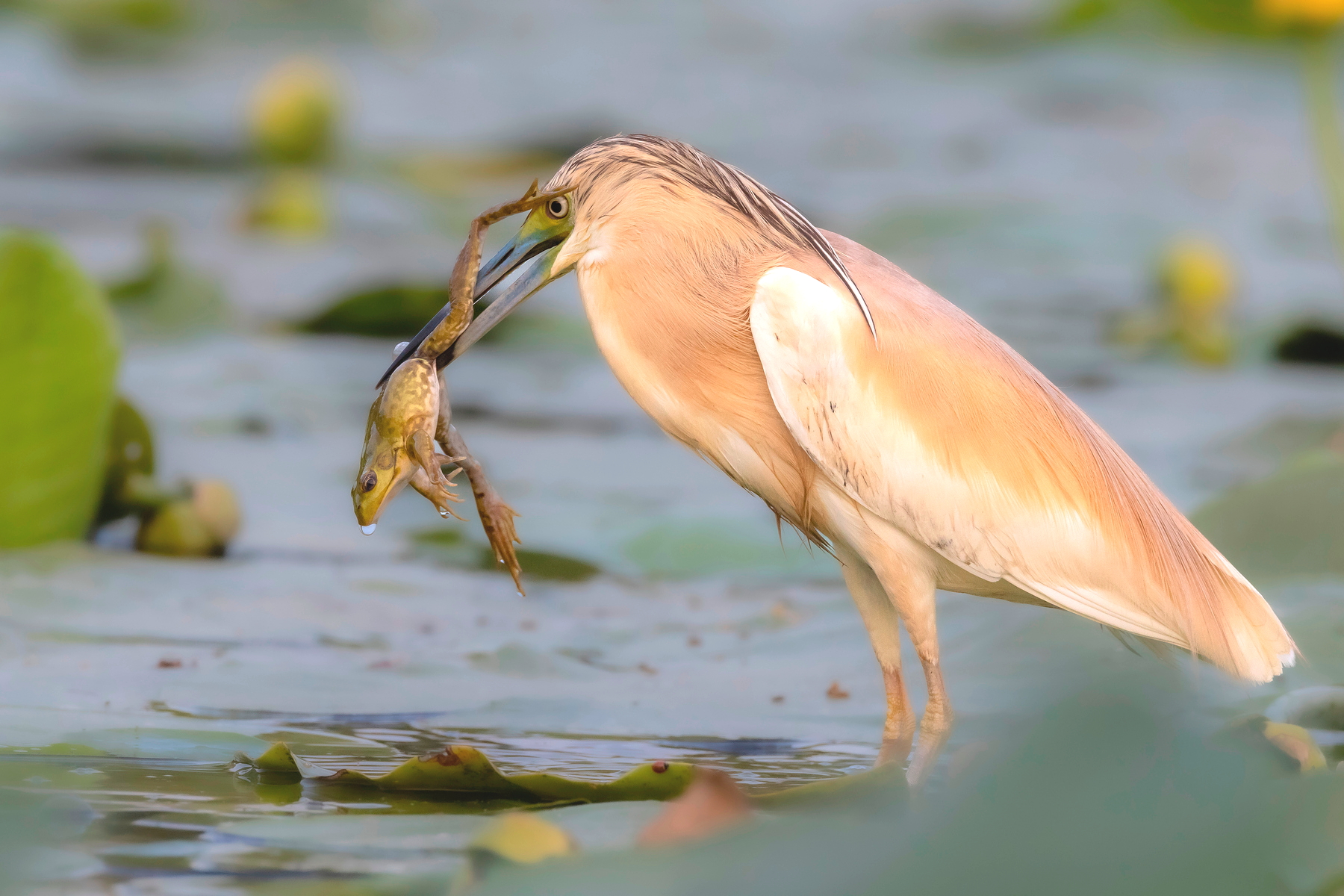
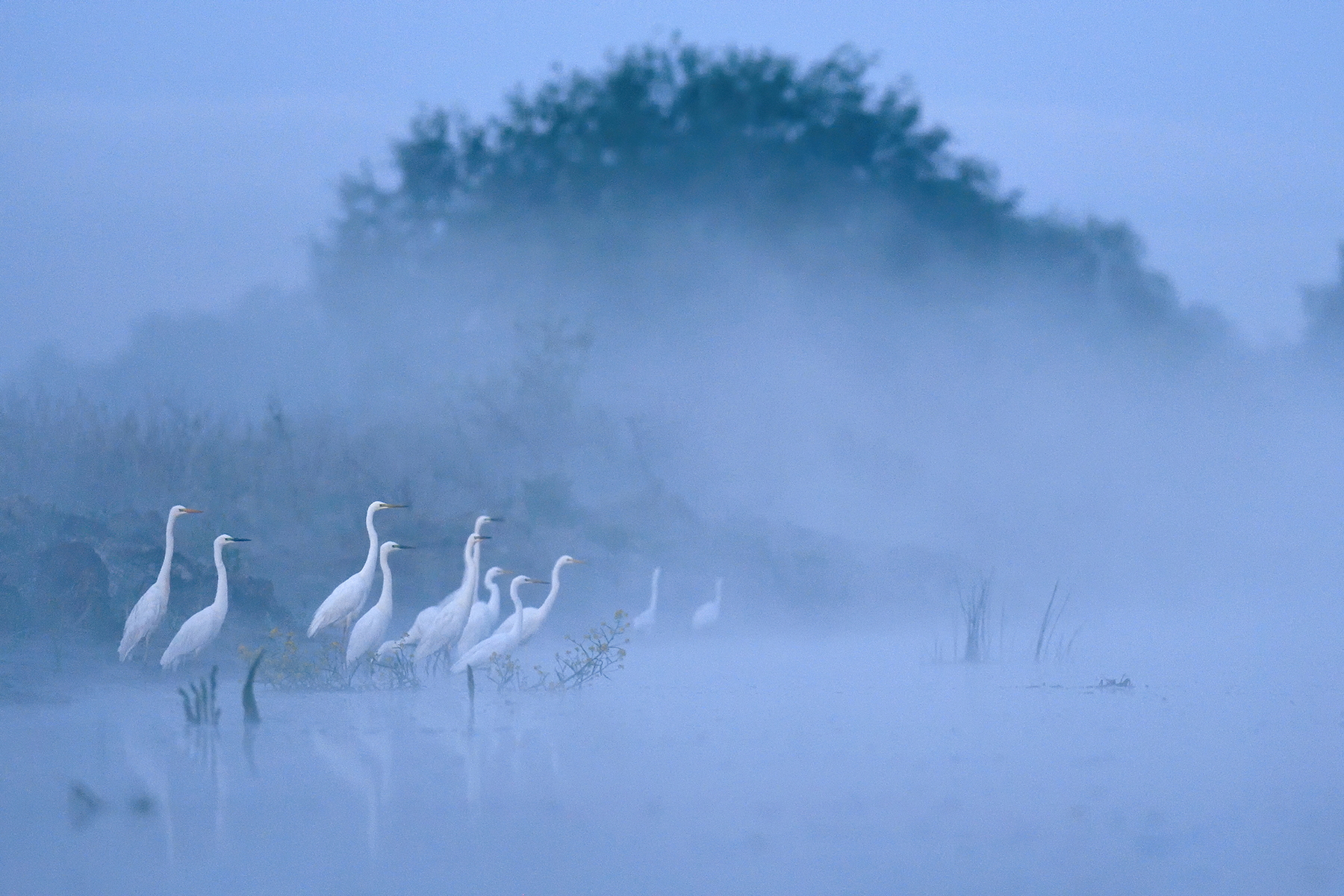
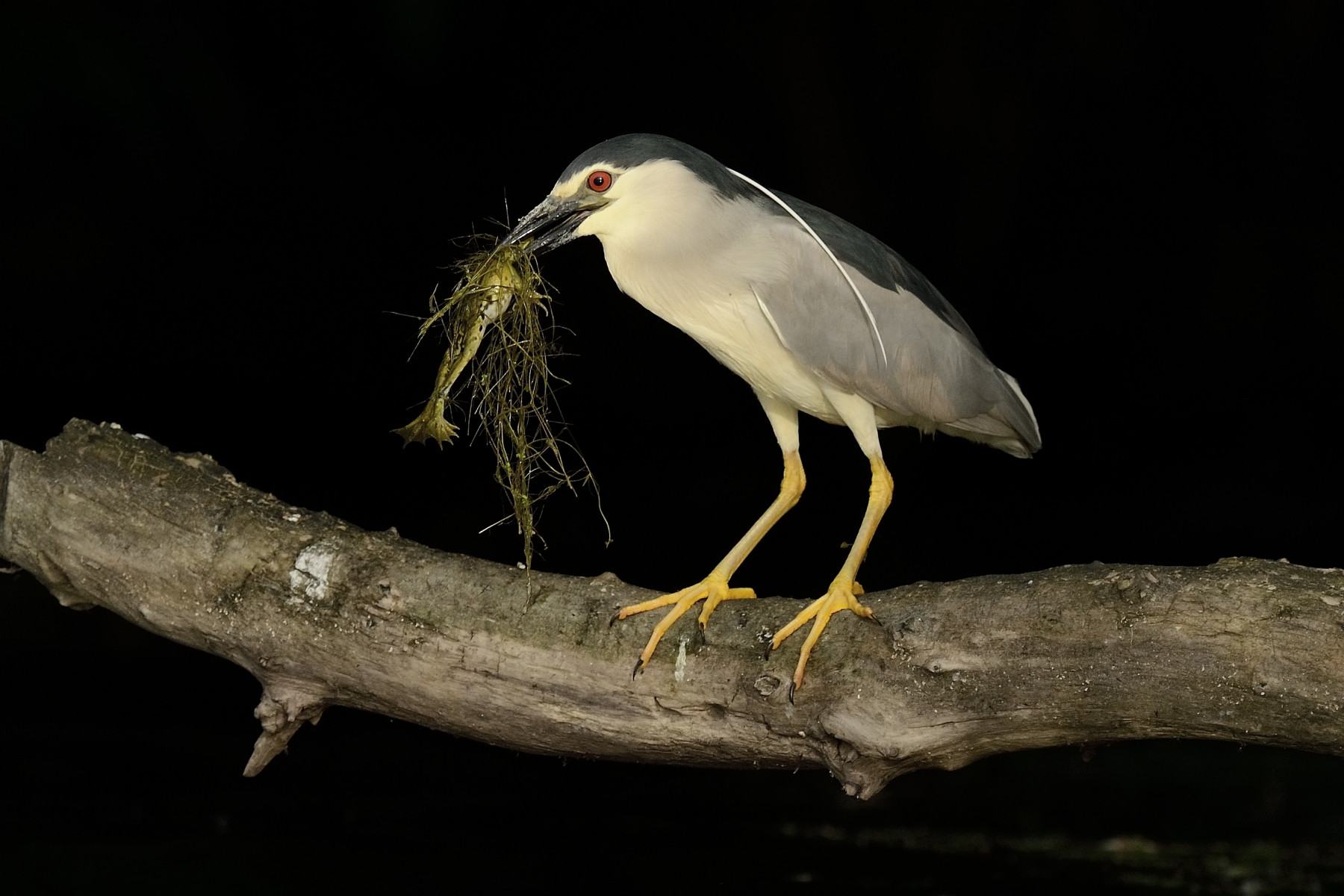
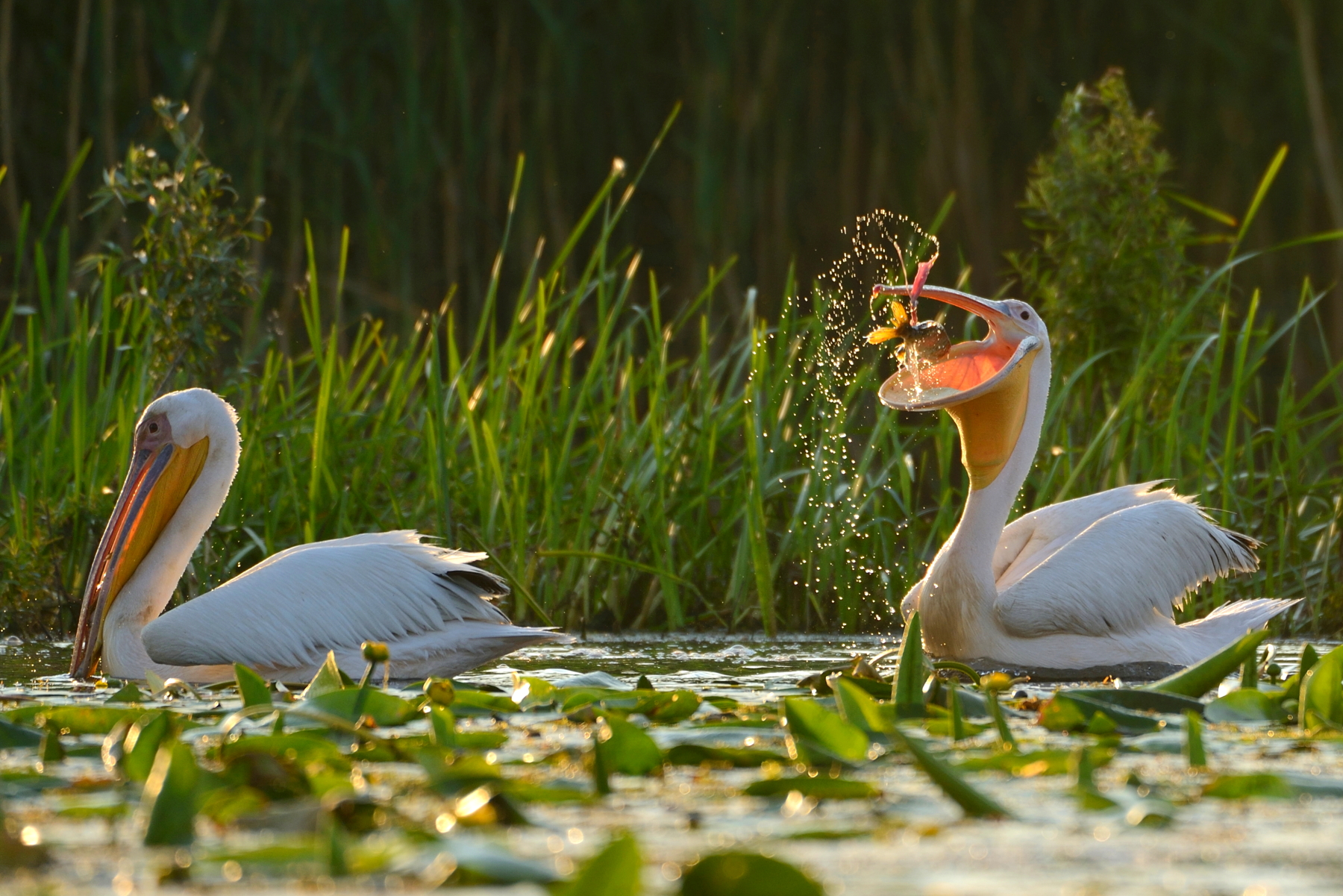
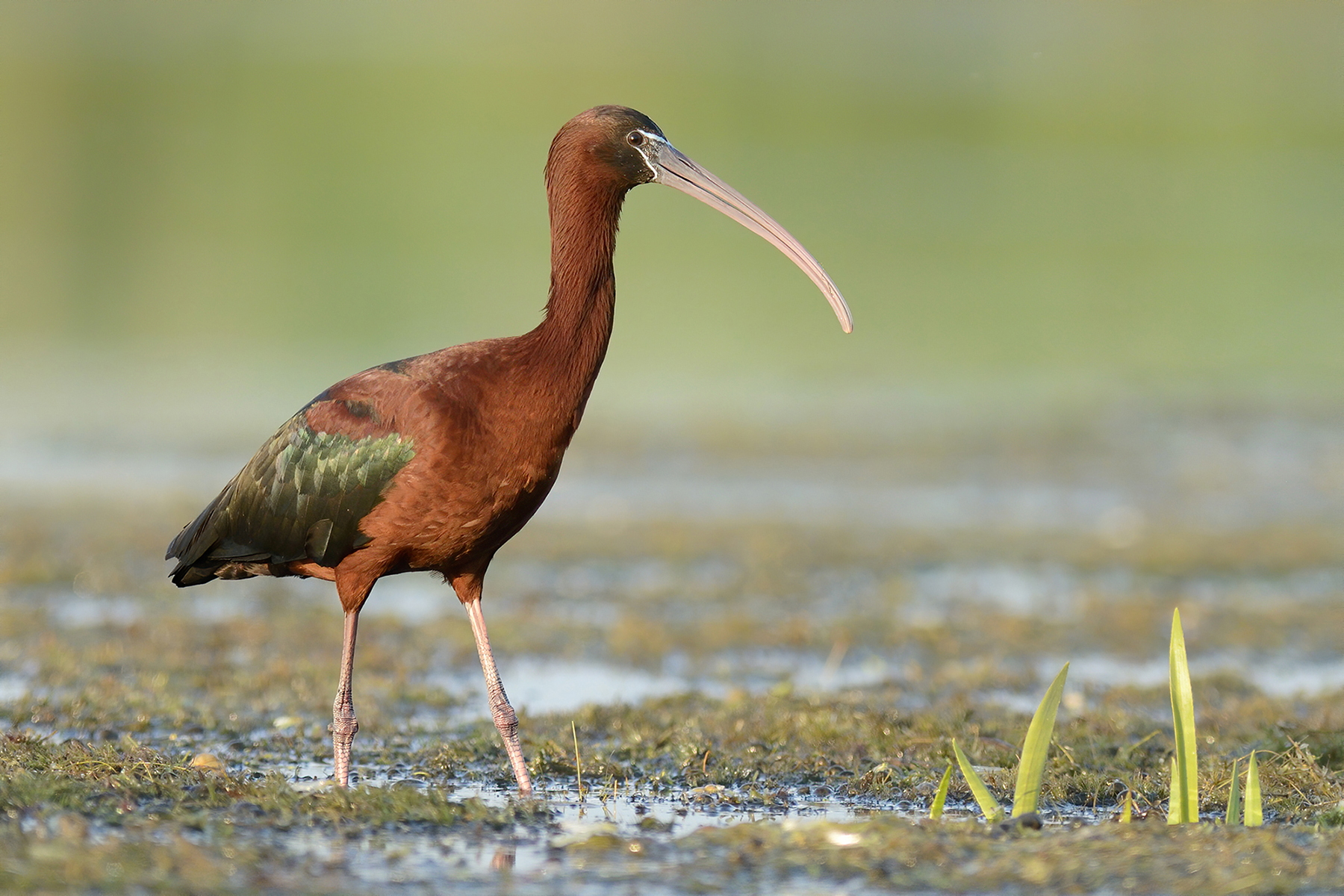
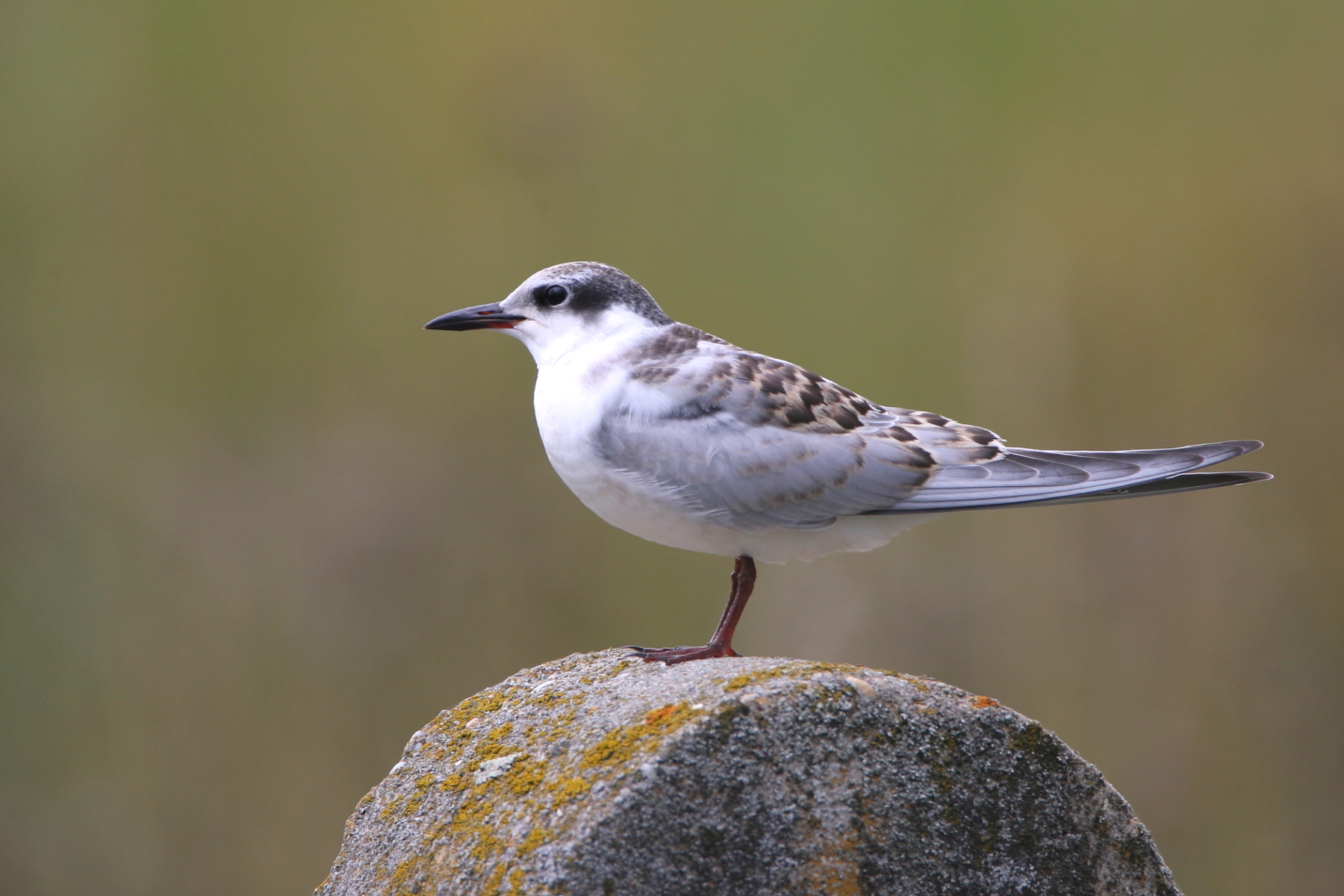
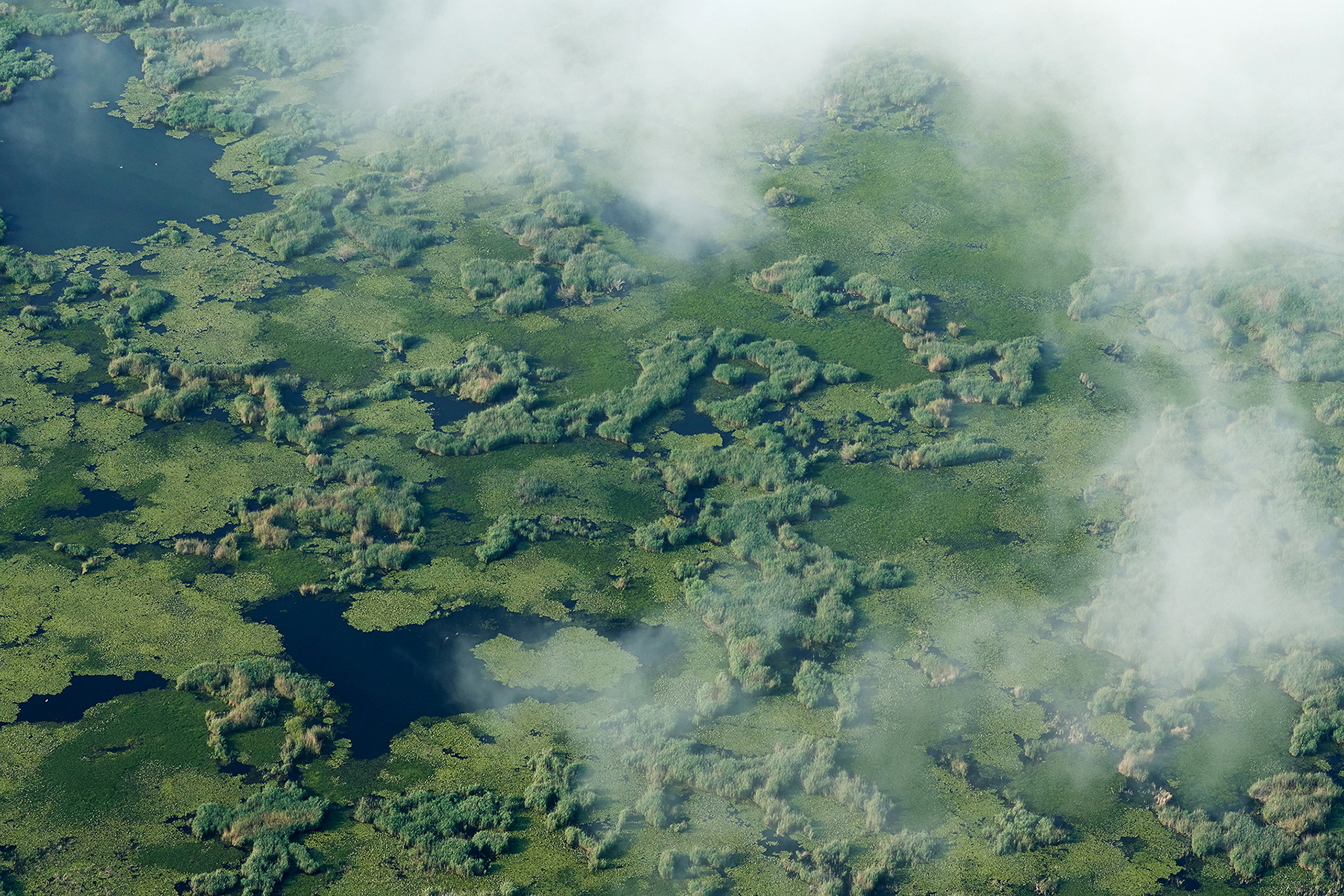
Day 5. We have almost all day today in the delta and will focus our efforts on the best locations along the Sulina arm. This time of the year the breeding ’delta birds’ congregate around the best feeding sites with lots of juveniles joined by lots of migrants. This creates an unforgettable scene with such actors like Spoonbill, Squacco Heron, Great White Egret, Glossy Ibis, White and Dalmatian Pelicans, Caspian Tern, Broad-billed Sandpiper, masses of Sandwich and Common Terns, Black-tailed Goodwits, Avocets and a lot more. Silent and shallow corners with plenty of Yellow Water-lily and water chestnut leaves close to the reed edge are ideal places to catch a glimpse of a juvenile Little Crake or a ’frozen’ Little Bittern while in the reedbeds groups of Penduline and Bearded Tits roam around us. The bushy areas will be full with migrating passerines again and depending on the period different species dominate like Red-backed Shrike, Red-breasted Flycatcher, Spotted Flycatcher, Willow Warbler, Garden Warbler, Eurasian Blackcap and others. Once we get back to Tulcea we will have a short drive to the Macin Mountain NP. Night near Macin.
Day 6. We will have a full day to explore the Macin Mountain National Park and on the Baragan Plains. Macin area can be good for raptors as well as for migrants plus we will try to locate Sombre Tit. But we will also cross the Danube on the new bridge and will visit the only known Dotterel moulting site on the Baragan Plain. If we have time and the famous Balta Alba soda lake has the right water level we will also visit this site. Night near Macin.
Day 7. We will have a last morning birding around the Macin Mountains and later we will start to drive back to Bucharest Airport. The tour will finish around 15:00.