
Red-breasted Goose Special Tour 2025
/
Autumn migration in the Hortobágy National Park is amazing but especially famous for the masses of cranes and geese. While October is mostly about the 100 000 – 200 000 Common Cranes and their migration spectacle (watch this video by Janos Crane roost in the Hortobágy National Park) the month of November is all about geese! We have created a tour a few years ago which is targeting to see two rare geese, the Red-breasted Goose and the Lesser White-fronted Goose. Our Red-breasted Goose Special Tour is a short break visiting the Hortobágy National Park which is one of the handful of sites in the World where the two geese species can reliably seen. And the available supporting cast is also excellent with Great Bustard, Eastern Imperial Eagle, Saker Falcon, Long-eared Owls and even Wallcreeper in most years. Yes, a great selection of top birds in such a short time!
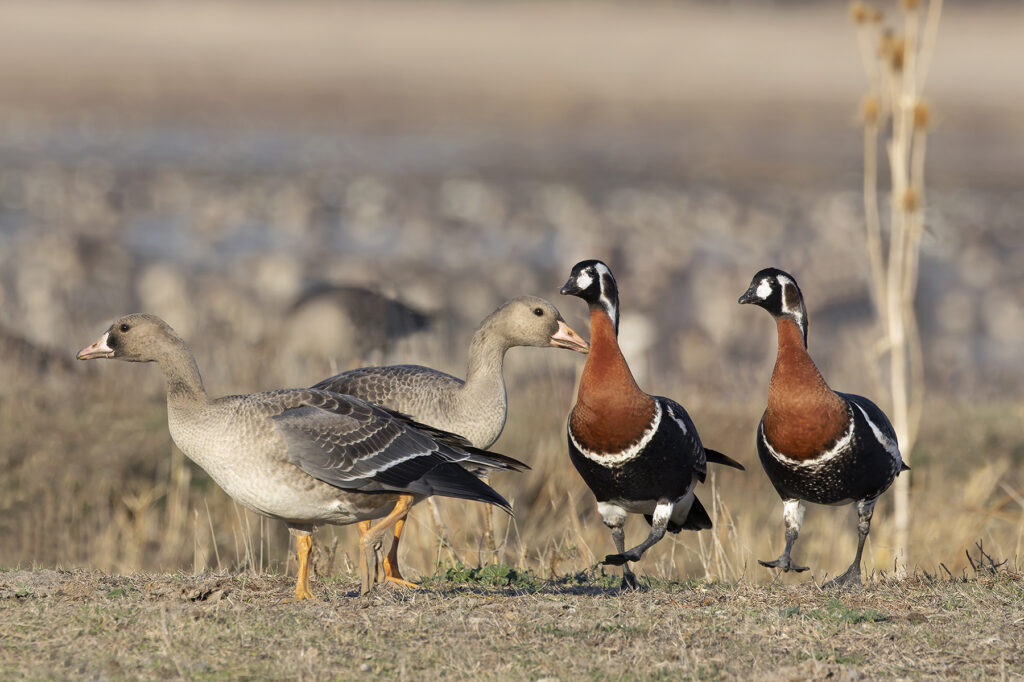
Our 2025 tour under Dániel Balla’s expert guidence was excellent again with many sightings of both geese! Although last year was an exception when very few Red-breasted Geese were seen in the Hortobágy (in 2024) but even in such conditions we managed to find the species! However in 2025 numbers were back again and it was an excellent tour with all the top targets performing very well in exceptional great weather!
Come and join us in 2026 to see Red-breasted and Lesser White-fronted Goose! Tour date os already online!
Autumn migration In Hungary – better than ever?
/
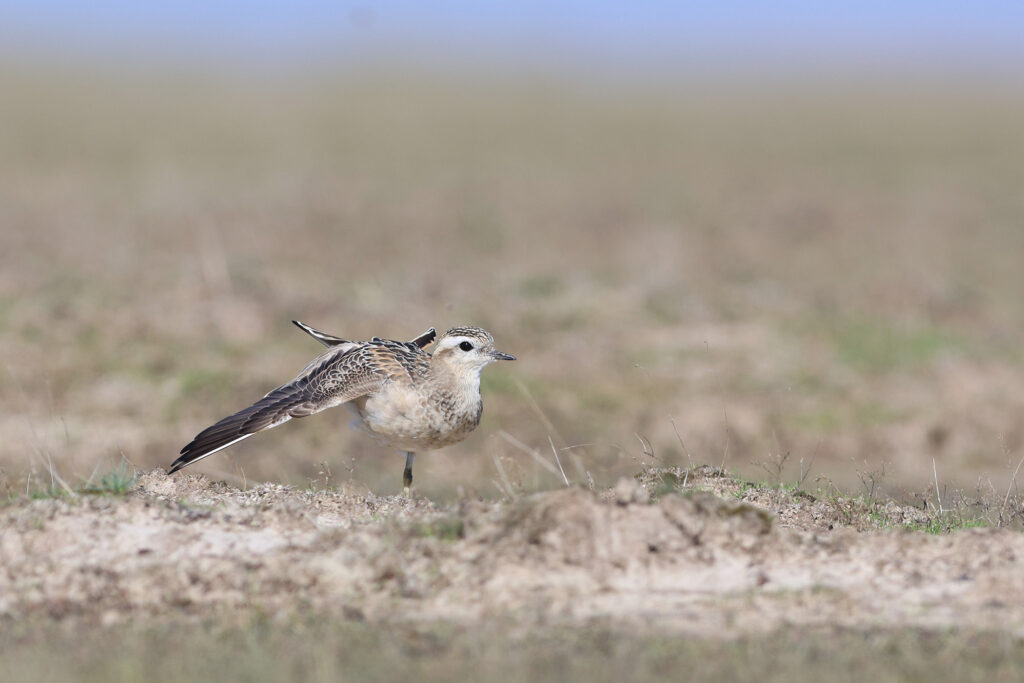
As usual the Hortobágy National Park in the Autumn months is hosting large numbers of all kind of birds from thousands of Gadwalls and Green-winged (Eurasian) Teals through hundreds of shorebirds including – this year only several dozen – Eurasian Dotterels and of course the Common Cranes are just coming, their numbers already getting close to 50.000 in the area.
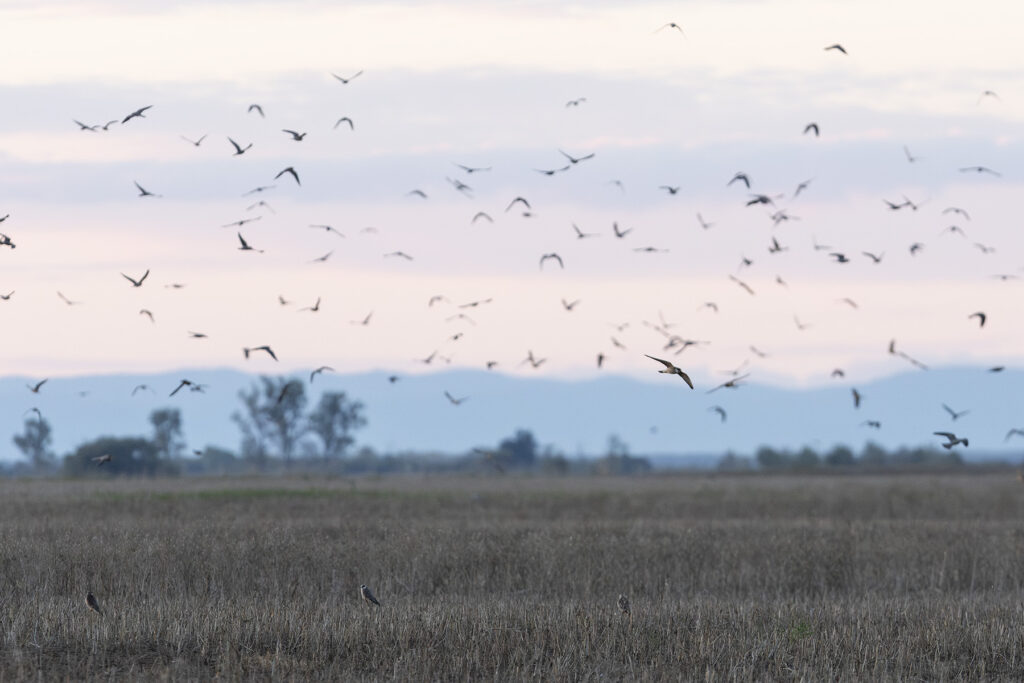
However, this year the National Park was hosting an astonishing number of Red-footed Falcons, whose numbers are usually carefully followed by the officials of the park and volunteers from the area. The census counts done every week, the mid September count producing an incredible result with over 8000 individuals staying around with a megaroost, where over 5000 Red-footed Falcons were coming together for the night forming the largest ever recorded single roost in the Carpathian Basin.
In the recent years numbers between 1000 and 2000 individuals were seen here, but this year’s numbers shooting out was a great surprise and of course fantastic experience to observe.
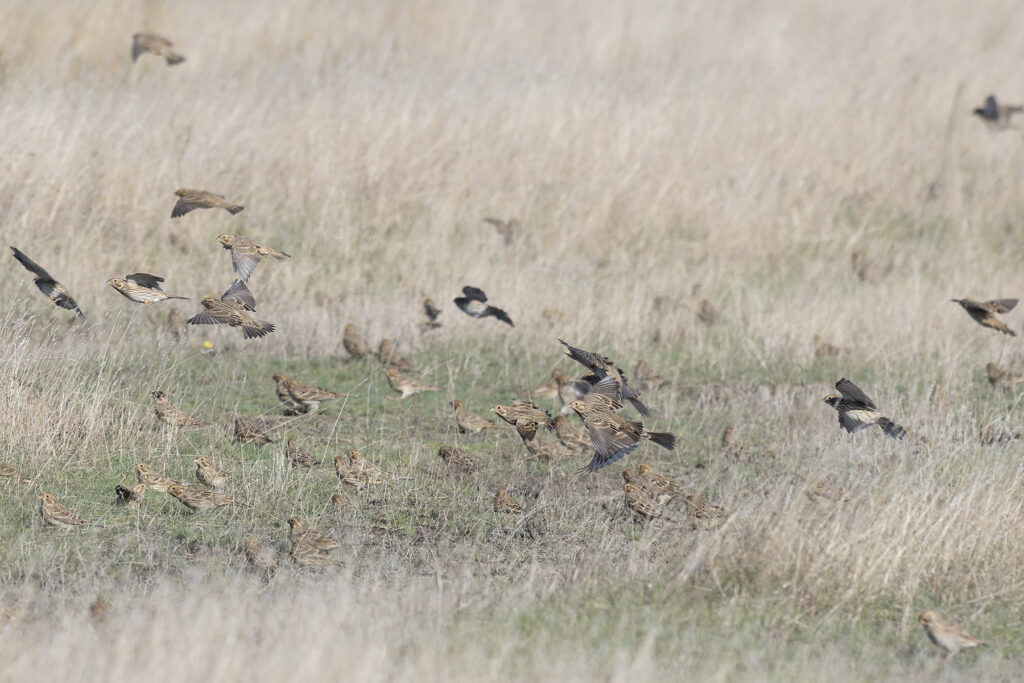
Autumn in the Hortobágy
/
It has been a great autumn for birding in the Hortobágy region. The very spectacular Crane season, where more than 150.000 Common Cranes are staging inside the Hortobágy National Park was again providing some unforgettable experience for birders visiting the area with seeing them on their night roost being the highlight of every birding tour this time. Of course, other specialities of the area still present at the same time and probably this time of the year is the best to see as many Eastern Imperial Eagles as possible in the region if someone is mainly after the raptors, although Saker Falcon is usually harder this time we still have good chances of finding one.
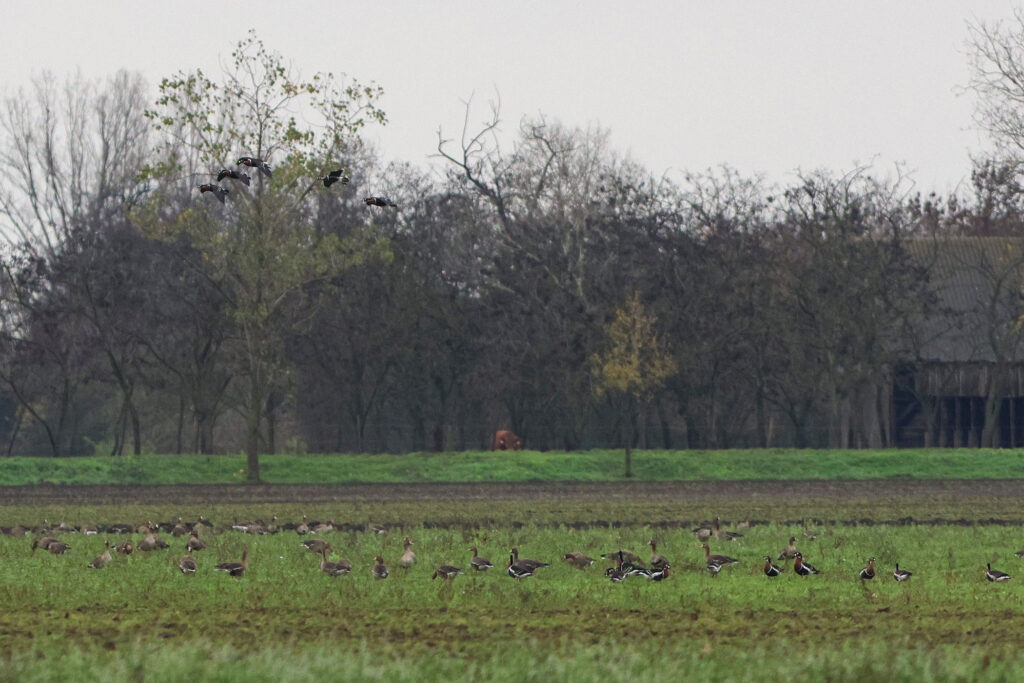
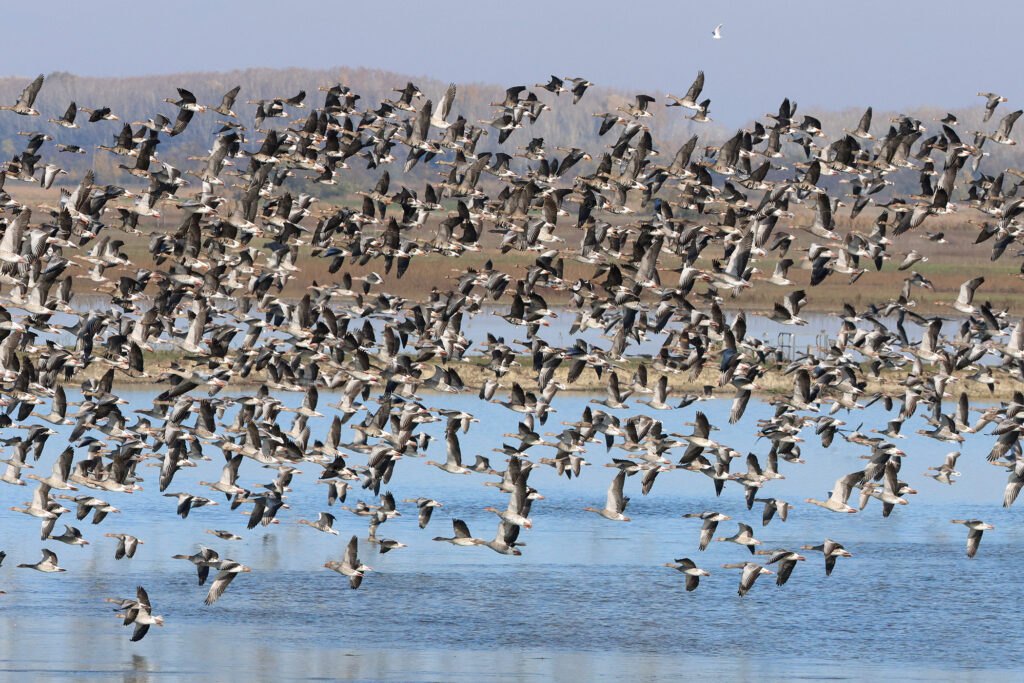
The other spectacle later Autumn is when the huge numbers of wild geese arriving from Siberia are flooding the area giving a great chance to find the endangered Lesser White-fronted Goose and Red-breasted Goose in the seemingly endless flocks of Greater White-fronted Goose. However, this year the geese were a bit late, fortunately, it seems they arrived in good number by the second half of November and both endangered species are now presenting in good numbers inside the safe borders of the Hortobágy National Park.
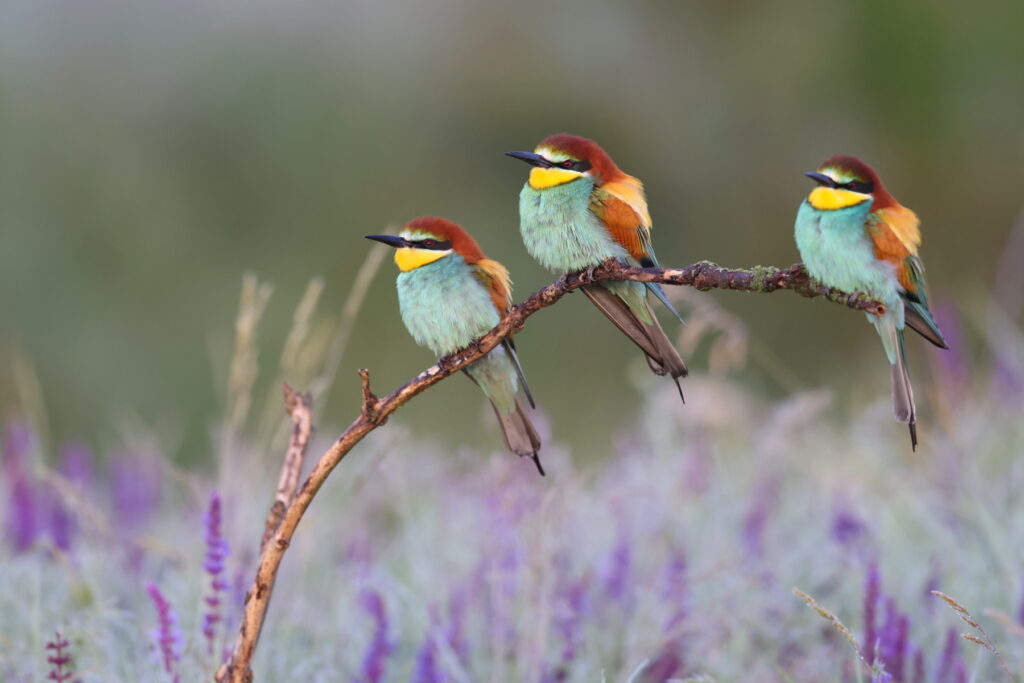
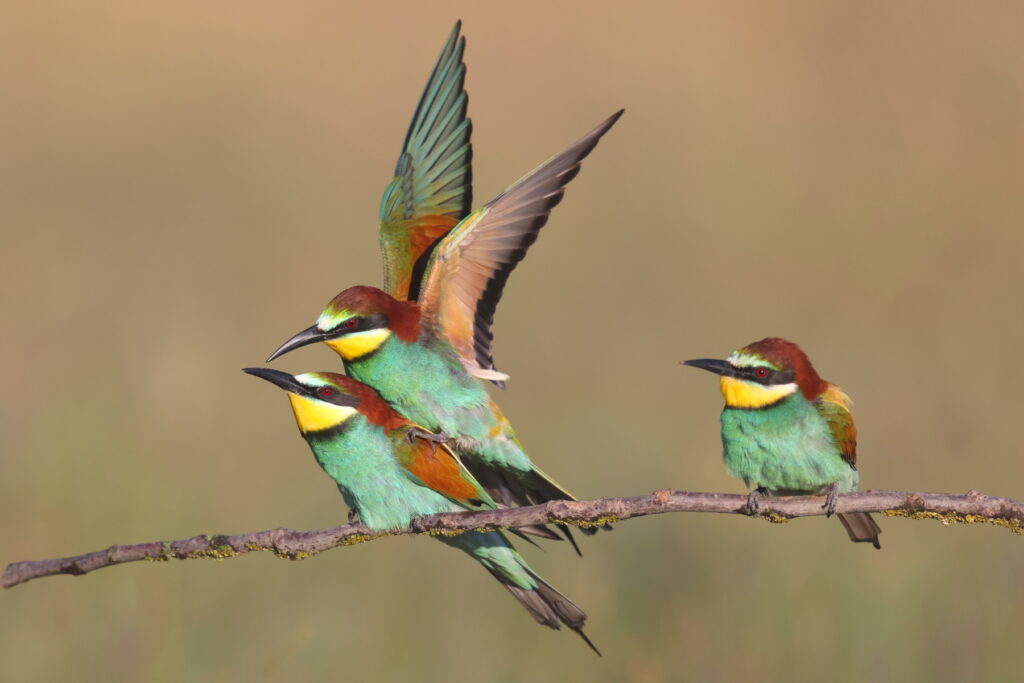
Our Bee-eater Hide was excellent!
/
Our Bee-eater hide was excellent throughout June and most of July with some excellent actions. These colorful birds are always firm favorites for our guests and spending a few hours with their daily activity offers a great chance and unique experience. Europe’s most colorful birds usually arrive back in early May and start their activity around the breeding places. Normally from 15 or the latest from 20th May their photography can start. In 2024 it was an extreme years when the first Bee-eaters were observed as early as mid April in Hungary and the entire breeding season was early. We had fantastic mating activity already from 10th May and action never stopped until late July. Great fun! Come and join us for our June 2025 Hortobagy Bird Photography tour: https://www.sakertour.com/hide-photography/hungary-photo-tours/spring-summer-hide-photography-tour/#price-and-date
New record on our 2024 GT
/
We finished our annual GT the first time excluding Slovakia from the itinerary, thus being one day shorter and visiting Hungary and Transylvania (Romania) only during the tour.
Our expectations were exceeded as we managed to record more species during the tour as on any previous one and broke the ‘record’ standing for 10 years as we managed to put down 234 bird species on our list.
Luckily all major highlights were seen, including 10 woodpecker and 9 owl species with the tricky Three-toed Woodpecker, the scarce White-backed Woodpecker included as well as the sought-after Ural Owl and Tengmalm’s Owl.
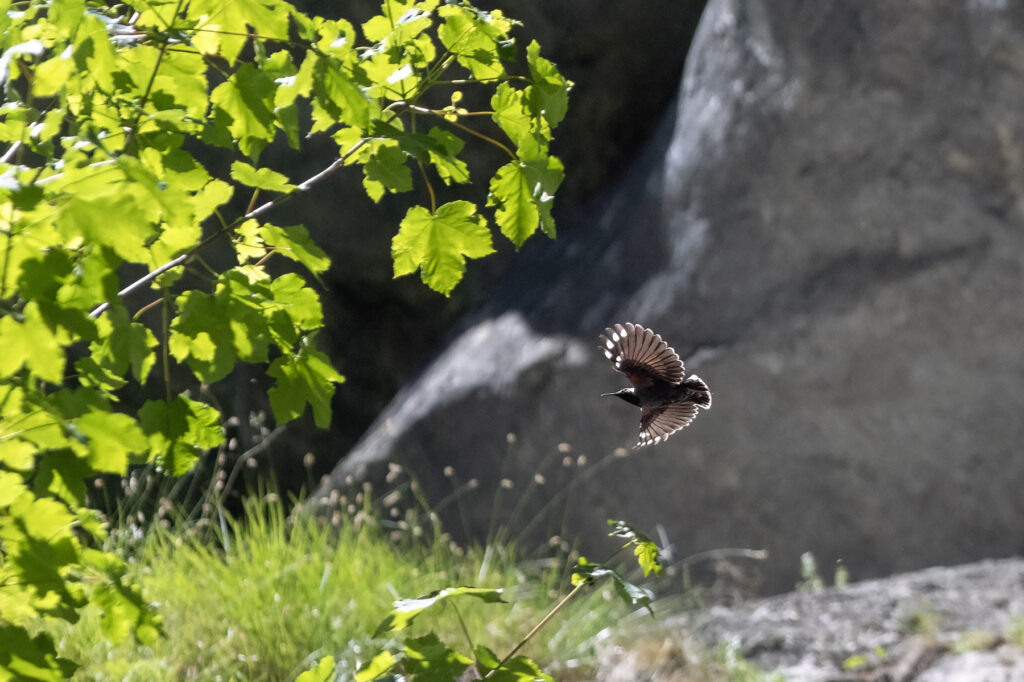
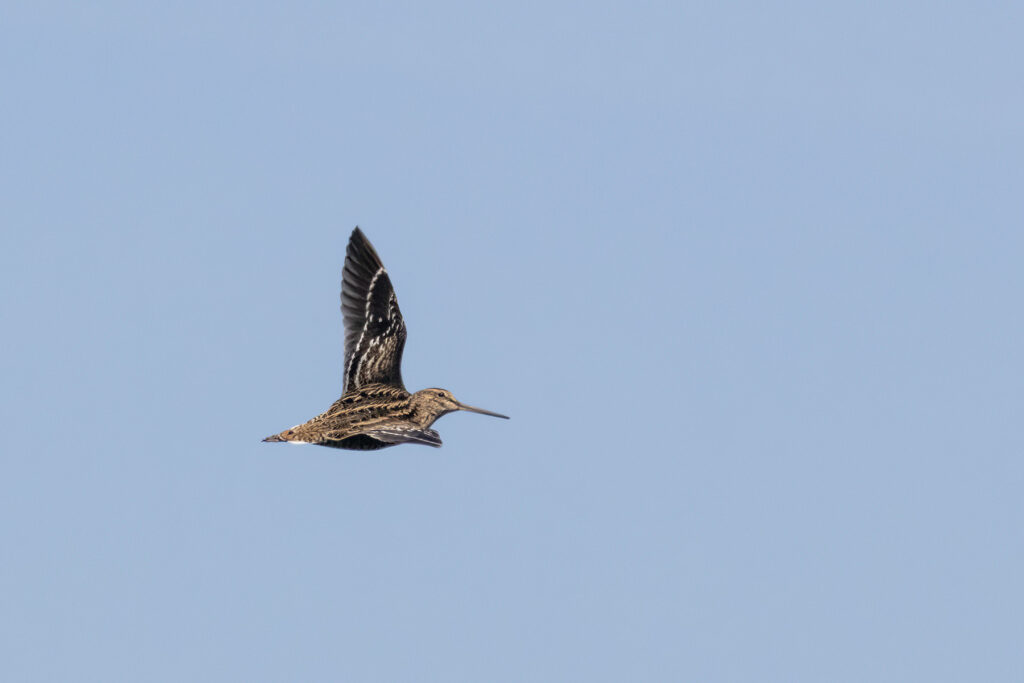
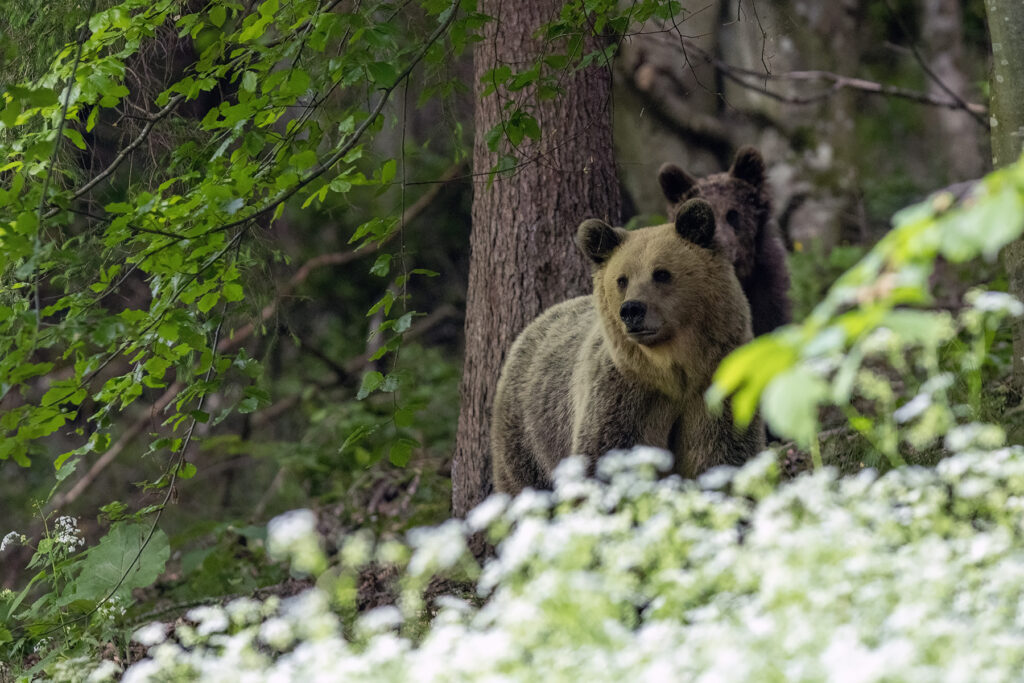
We birded the lowlands in Hungary with great wetlands giving us such great birds as Broad-billed Sandpiper and Great Snipe, while reaching higher altitude zones in the Carpathian Mountains in Romania where we saw Western Capercaillie, Eurasian Pygmy Owl and ‘Carpathian’ Brown Bears. The most scenic parts in Transylvania were the Békás Gorge where Wallcreeper was a dream bird for many of us to see and the Torockó Valley which held some trickier to see species like Sombre Tit and Common Rock Thrush.
Click here for the report of the tour with all the details and images give a concise reading what happened in 11 days of birding in Central Europe.